 ultimate-guide
How to Choose Rare Aroids for Your Collection
Table of Contents
- Understanding What Makes an Aroid Truly Rare
- Assessing Your Growing Environment Before You Buy
- Inspecting Plant Health and Provenance
- Finding Rare Alocasia Australia and Building Your Wishlist
- Where to Buy Rare Anthurium Corms and Established Plants
- Investment vs. Aesthetic Value: What Collectors Actually Care About
- Ethical Sourcing and Why Provenance Matters
- Frequently Asked Questions
Last Updated: October 1, 2026
Understanding What Makes an Aroid Truly Rare
Rarity in aroids isn't just about scarcity. At Obsessed With Aroids, we've learned that what makes rare aroids for your collection truly valuable depends on how you define value: genetics, variegation stability, provenance, or simply how difficult it is to propagate at scale.
A genuinely rare aroid combines several factors. Limited natural distribution, restricted propagation methods, or unusual morphology all contribute. But here's what most collectors miss: a plant can be botanically rare yet commercially available, or commercially scarce yet genetically common. Understanding the difference shapes every decision you make about what to pursue.

Many sought-after aroids fall into a few broad categories: pure species with limited wild populations, variegated cultivars valued for their patterning, and hybrids from specific crosses that aren't widely propagated. Each presents different challenges and rewards for the collector.
Variegation, Morphology, and Collector Appeal
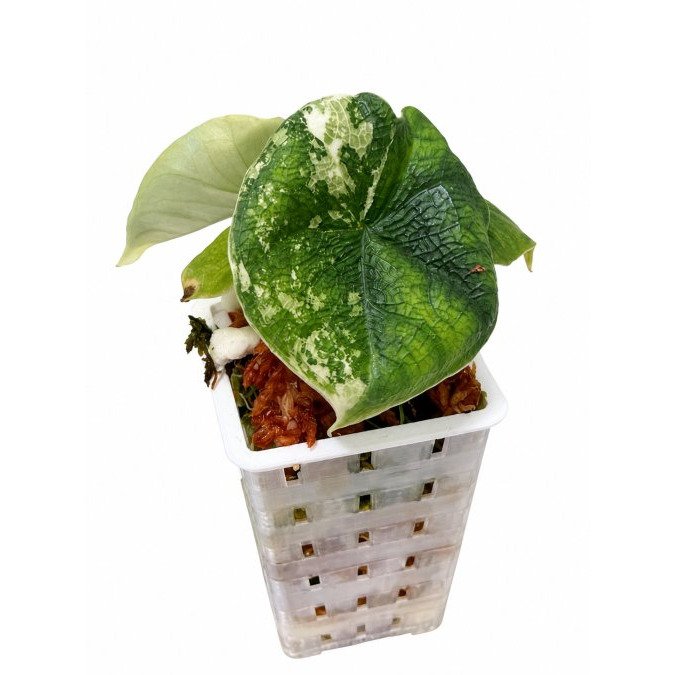
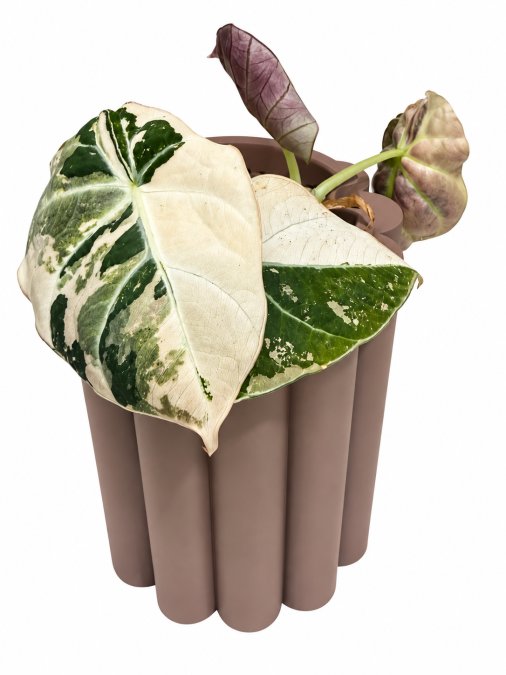
Variegation is where the collector's market gets complicated. A variegated Alocasia might display cream, yellow, or white patterning across its foliage, but stability varies wildly. Some variegation breeds true and remains consistent across generations. Other variegation is chimeric, meaning it exists only in certain tissue layers and may revert or shift unpredictably with each new leaf.
Morphology, the plant's physical structure and leaf shape, also drives rarity. An Anthurium with deeply lobed, textured foliage or unusual colouration patterns appeals to collectors precisely because it's visually distinct. Rare morphological traits often emerge from specific parentage or corm-grown genetics that aren't replicated through mass propagation.
Understanding leaf morphology helps you evaluate stability. A plant showing juvenile characteristics might develop entirely different mature foliage. This isn't a flaw; it's part of the aroid's natural development. But it means your collector's wishlist needs to account for how the plant will actually look in two years.
Corm-Grown vs. Tissue Culture: What's the Real Difference
Corm-grown plants develop from underground storage organs and are clones of the parent plant, so they can closely reflect the parent's characteristics, including variegation patterns. Tissue culture, by contrast, uses laboratory propagation from plant cells, which can introduce mutations or instability in variegated lines.
For many collectors of variegated Alocasia and rare Anthurium, corm-grown plants are often preferred when chasing consistency with the parent plant. A corm-grown Alocasia Melo Albo is a clone of the parent corm, which is why collectors often seek out this propagation method for variegated material. Tissue culture plants, whilst faster to produce at scale, sometimes lose or alter variegation patterns due to somaclonal variation during the propagation process.
The practical difference is that corm-grown plants usually take longer to produce and establish, and many collectors feel they offer better alignment with the parent plant when variegation stability is a priority. If you're buying a variegated rare aroid, it can be useful to ask how it was propagated, including whether it was corm-grown.
Assessing Your Growing Environment Before You Buy
The most expensive rare aroid won't thrive if your environment doesn't match its needs. Before adding anything to your collector's wishlist, honestly evaluate your space. This single decision prevents the majority of collector disappointments.
Light, Humidity, and Temperature Needs
Many aroids prefer bright indirect light rather than very low light, and some Anthurium species and variegated Alocasia respond best to strong, diffused illumination to maintain leaf colour and growth vigour. Direct sun scorches foliage; insufficient light causes leggy growth and variegation loss.
Humidity is equally critical. Most rare aroids come from tropical environments where humidity runs 60-80%. Variegated plants can be particularly sensitive; low humidity may stress them and can contribute to leaf damage.
Temperature consistency matters more than absolute warmth. Rare aroids prefer 18-26°C. Fluctuations stress plants, particularly during acclimatisation. If your home temperature swings dramatically between seasons, you'll need to manage that before bringing in a premium specimen.
Chunky Substrate and Root System Requirements
Many aroid collectors prefer to use chunky, well-draining substrate for their plants. Standard potting mix retains too much moisture and causes root rot, the fastest way to lose a collector plant. A proper aroid mix combines orchid bark, perlite, horticultural charcoal, and coco coir in ratios that prioritise drainage and aeration.
Many popular aroid species have root systems adapted to epiphytic or semi-epiphytic conditions in nature. They're adapted to fast-draining conditions with plenty of air movement around roots. A dense, moisture-retentive mix suffocates them. Your substrate choice directly impacts survival rates, particularly during the critical acclimatisation phase.
Inspecting Plant Health and Provenance
Provenance, knowing where a plant came from and how it was grown, separates confident purchases from risky ones. A plant's history tells you almost everything about its likelihood of thriving in your collection.
What to Look for in Roots, Nodes, and Foliage
Examine roots before committing. Healthy aroid roots are firm, white or pale, and smell fresh. Brown, mushy, or foul-smelling roots indicate rot or poor care. Nodes, the points where leaves emerge, should show signs of active growth: either emerging leaves or visible growth buds. A plant with multiple nodes and active new growth adapts faster than a single-node specimen.
Foliage condition tells a story. Minor cosmetic marks on older leaves are normal for collector plants; they indicate the plant has been established and growing. But yellow leaves, brown edges, or signs of pest damage suggest stress. Ask the seller about the plant's history: how long have they grown it? What conditions? Has it been recently propagated or imported?
Understanding Acclimatisation for Rare Aroids
Acclimatisation is the adjustment period after a plant arrives in your home. Aroids can experience stress during transit and environment change. Expect the first 4-8 weeks to be unpredictable: leaf drop, slower growth, or temporary dormancy are common and usually temporary.
During acclimatisation, resist the urge to repot or make major changes. Keep the plant in its original substrate, maintain consistent humidity and temperature, and avoid fertilising.
Finding Rare Alocasia Australia and Building Your Wishlist
Building a coherent collection means knowing what's actually available and what's worth pursuing. Your wishlist should balance aspiration with realism about provenance, price, and your growing conditions.
Variegated Alocasia and Stability
Variegation stability is the central tension in collecting variegated Alocasia. Not all variegation is created equal. Stable variegation, often found in corm-grown plants, maintains consistent patterning across new leaves. Unstable variegation shifts with each new leaf or reverts entirely under stress.
Where to Buy Rare Anthurium Corms and Established Plants
Your source matters enormously. Buying from a collector-run business such as Obsessed With Aroids is a different experience from purchasing through a generic online retailer or marketplace. We focus on carefully grown rare Anthurium and Alocasia and provide honest descriptions of each plant’s current condition, including cosmetic marks where relevant.
Evaluating Seller Reputation and Shipping Standards
Reputation in the collector community matters. Ask other collectors where they've purchased successfully. Look for sellers who provide detailed photos from multiple angles, describe plant condition honestly (including cosmetic marks), and specify exactly what you're receiving, not just a species name, but the exact plant pictured.

Quarantine, Biosecurity, and Interstate Logistics
Biosecurity regulations vary by state. Some states restrict movement of certain plant species without permits. Before ordering rare Anthurium or Alocasia interstate, confirm whether the destination state has quarantine restrictions. Some specialist sellers may work with accredited concierge services for quarantine-state deliveries, but where this is offered it is typically organised and paid for by the buyer.
Investment vs. Aesthetic Value: What Collectors Actually Care About
Here's the tension most guides skip: are you collecting for investment or for the plants themselves?
Ethical Sourcing and Why Provenance Matters
Rare aroids exist in a complex ethical landscape. Some are wild-collected from threatened populations. Others are propagated sustainably in cultivation. Knowing the difference aligns your collecting with genuine conservation rather than contributing to wild population decline.
| Selection Criteria | What to Evaluate | Why It Matters |
|---|---|---|
| Variegation stability | Ask if corm-grown; check leaf consistency | Determines long-term appearance and value |
| Root health | Examine colour, firmness, smell | Indicates survival likelihood post-shipping |
| Provenance | Confirm nursery-grown vs. wild-collected | Supports ethical collecting practices |
| Environment match | Assess light, humidity, temperature | Prevents plant stress and failure |
| Seller reputation | Research community feedback; verify shipping standards | Reduces risk of receiving stressed or misidentified plants |
Frequently Asked Questions
What is the difference between corm-grown and tissue culture aroids?
Corm-grown plants are propagated from underground storage organs (corms), producing genetically identical plants with stable characteristics. Tissue culture plants are propagated from plant cells in a lab, which can sometimes lead to genetic instability or unexpected trait variation. For collectors seeking predictable variegation and authentic genetics, corm-grown aroids offer greater reliability and are often preferred for rare Alocasia and Anthurium varieties.
How do I know if a rare aroid seller is reputable?
Look for sellers who provide exact plant photos, transparent descriptions of plant condition, and clear information about provenance. Reputable sellers document their growing practices, offer honest details about cosmetic marks or variegation stability, and communicate clearly about shipping logistics and quarantine requirements. Collector-run businesses often provide more detailed plant knowledge than larger commercial operations and are more likely to stand behind their specimens.
Will variegation stay stable on rare Alocasia?
Variegation stability depends on the plant's genetics and growing conditions. Some variegated Alocasia are stable across new growth, while others may show variation with each leaf. Corm-grown plants tend to express more consistent variegation than tissue culture alternatives. However, factors like light intensity, humidity, and nutrient balance influence leaf expression. Most reputable sellers will note whether variegation is expected to remain stable or may shift with maturation.
What should I check before buying a rare aroid online?
Inspect the seller's photos for root system health, node condition, and overall foliage appearance. Check for signs of pest damage, root rot, or stress. Confirm the plant's provenance and whether it's corm-grown or tissue culture. Review shipping methods and packaging standards, reliable sellers post on strategic schedules to minimise transit time. Ask about acclimatisation support and what happens if your plant arrives stressed. Request details on the plant's current growing conditions so you can match your environment.