
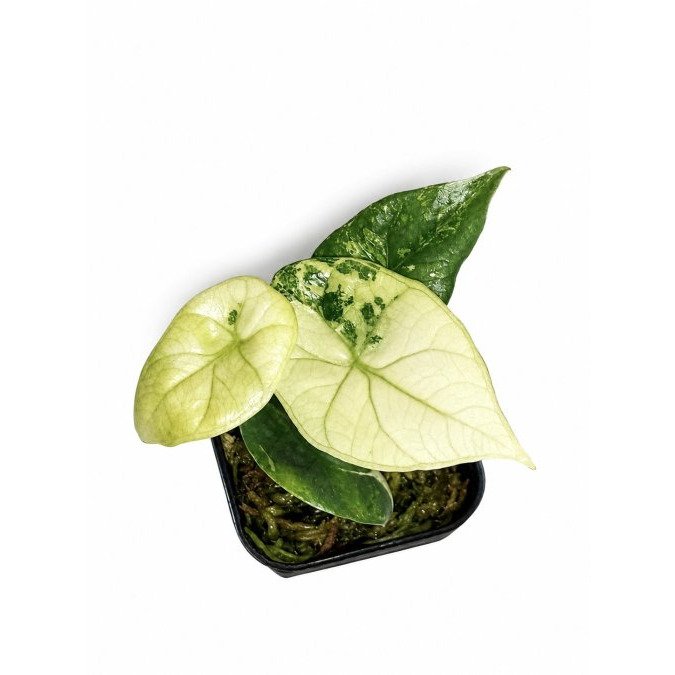
 how-to
Variegated Alocasia Humidity: The Complete Guide
Table of Contents
- Why Humidity Matters for Variegated Alocasia
- Ideal Humidity for Alocasia: Finding Your Target Range
- How to Increase Humidity for Indoor Plants
- Alocasia Grow Cabinet Humidity: Controlled Environments
- Humidity, Airflow and Leaf Health: Avoiding Common Problems
- Humidity Acclimation: Gradual Adjustment for New Plants
- Seasonal Humidity Management
- Frequently Asked Questions
Last Updated: October 6, 2026
Why Humidity Matters for Variegated Alocasia
Variegated alocasia humidity is one of the most misunderstood aspects of growing these plants. Collectors often struggle with leaf curling, browning edges and stunted growth because they're not addressing humidity properly.
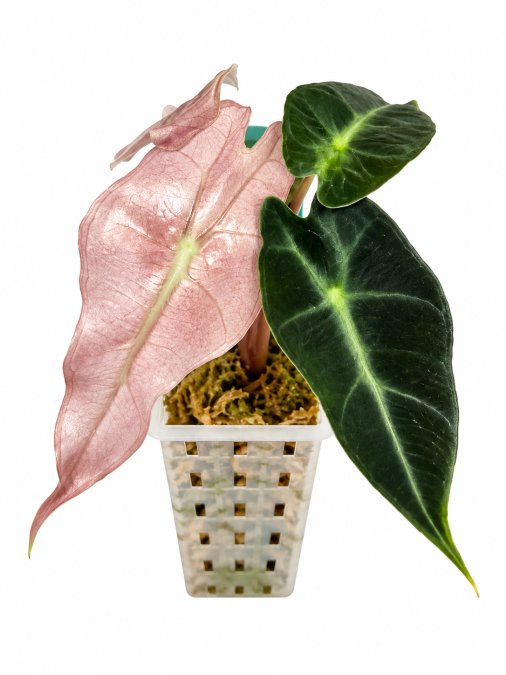
Humidity directly affects how your variegated Alocasia absorbs water and nutrients. When air is dry, plants lose moisture through their leaves faster than their roots can replace it, causing crispy edges, curling and slow growth. It's not about hitting a number on a meter, it's about what your plant needs, measuring correctly, and balancing moisture with airflow.
Variegation depends on healthy leaves, stressed plants produce duller patterns or revert to solid green. Getting humidity right isn't a luxury for collectors, it's foundational.
Ideal Humidity for Alocasia: Finding Your Target Range
The sweet spot for most variegated Alocasia sits between 60-80% relative humidity, supporting consistent growth, stable variegation and healthy leaves, though species and cultivars vary.
Understanding Relative Humidity Measurement
Relative humidity (RH) is the amount of moisture in the air compared to how much it could hold at that temperature. A reading of 60% means the air holds 60% of its maximum water at that moment.
Humidity changes with temperature: warm air holds more moisture, so a room at 50% RH and 25°C is practically drier than the same room at 20°C. Use an inexpensive digital hygrometer near your plants, away from direct sun and heating vents, and check it at different times of day. Most homes sit between 30-50% RH, too low for tropical aroids.
Species and Cultivar Variation
Not all variegated Alocasia have identical humidity needs, and treating them as one group is where collectors get into trouble. Differences come down to leaf structure, habitat and transpiration surface.
Alocasia Pseudosanderiana and other rare collector varieties are the least forgiving.

Variegated versus green forms. Variegated forms, whether aurea or tricolour, don't have different humidity requirements than their green counterparts, but stressed variegated plants lose their patterns faster.
Corm-grown versus tissue culture. Corm-grown plants, which we specialise in at Obsessed With Aroids, are raised from the plant's own corms rather than lab-propagated tissue.
Measuring Humidity Where It Actually Matters
A single hygrometer reading in the middle of a room tells you very little. Humidity stratifies: it's highest close to the leaf canopy and drops as you move away.
Place your hygrometer at canopy height, within 20-30 centimetres of the leaves, and take readings morning, mid-afternoon and evening. The pattern matters more than any single number, a plant swinging from 65% overnight to 45% by mid-afternoon is more stressed than one sitting at a steady 55%.
Most inexpensive digital hygrometers are accurate to within 3-5% RH, which is fine. Avoid analogue dial types sold for reptile enclosures; they drift badly. Start at 60-80% and observe: if leaves uncurl, growth is steady and variegation stays vibrant, you've found your baseline.
How to Increase Humidity for Indoor Plants
If your home sits at 30-50% RH, you need a strategy. Here are the methods that actually work.
Humidity Trays and Pebble Methods
A humidity tray is one of the cheapest and most effective tools. Fill a shallow tray with pebbles or marbles, add water until it just touches the pebbles (not submerging them), and place your pot on top.
Check the water level daily, a dry tray does nothing, and water touching the pot directly can rot roots. For multiple plants, group them on one large tray: three or four clustered pots raise local humidity noticeably compared to scattered placement.
Humidifiers: Choosing the Right Type
A humidifier is faster and more reliable than trays, especially in dry climates or when you're running heating in winter. Two types work well:
- Ultrasonic humidifiers produce a cool mist. Affordable and effective, but can leave mineral deposits on leaves if you use tap water, use distilled instead.
- Warm mist humidifiers release steam. Gentler on leaves and better in cold climates, but use more electricity.
For a single shelf, a small ultrasonic humidifier nearby works well. For a larger collection, use one with a timer, most plants do fine with 2-4 hours daily, morning to early afternoon. Never point a humidifier directly at leaves; mist should settle around the plant, not coat it, since wet leaves plus poor airflow invites fungal issues.
Grouping Plants and Misting
Clustering plants together naturally raises humidity as they transpire. A group of five or six plants will feel noticeably more humid than scattered individuals.
Misting isn't a replacement for sustained humidity, it provides only temporary relief, with humidity dropping within an hour. That said, misting variegated Alocasia in the morning (not evening) can support overall humidity and rinse dust off leaves. Use room-temperature distilled water and mist until water just beads on the leaves. Grouped plants, morning misting and a few hours of humidifier use create stable conditions that variegated Alocasia love.
Alocasia Grow Cabinet Humidity: Controlled Environments
For serious collectors, a grow cabinet (or grow tent) offers complete control. Sealed or semi-sealed, these spaces trap humidity and let you dial in conditions precisely.
Inside a grow cabinet, humidity naturally climbs as plants transpire. Add a small humidifier and you'll hit 75-85% RH easily. The payoff: stronger colours, faster unfurling leaves and stable variegation.
The catch is airflow, high humidity without air movement breeds mould and fungal leaf spot. A small clip fan running 2-3 hours daily prevents stagnant air; position it to gently move air without blasting plants. Grow cabinets suit collectors with 10+ plants or challenging home conditions. For most people, grouped plants plus a humidity tray or small humidifier is sufficient.
Humidity, Airflow and Leaf Health: Avoiding Common Problems
Humidity alone isn't enough. Without airflow, fungal spores thrive, and without a way to tell humidity stress apart from watering stress, you can spend months adjusting the wrong variable.
Alocasia Leaf Curling and Humidity Stress
Leaf curling usually signals low humidity, but not always. If leaves curl and your humidity is above 60%, look elsewhere: watering frequency, pot size, or root-bound conditions.
True humidity-related curling shows these signs:
Alocasia Flemingiana Aurea Variegated – Established Plant | Exact Plant 🌿💛 →
- Leaf edges curl inward first
- New leaves emerge smaller than previous ones
- Stems feel thin or weak
- Growth slows noticeably
If you see this pattern, your humidity is likely below 50%. Increase it gradually over a week or two. Sudden jumps can shock plants.
Telling Humidity Stress Apart From Other Problems
Several common issues look similar. Here's how to separate them:
Crispy brown edges, starting at the leaf tip and moving inward. The classic low-humidity signature, appearing on the oldest leaves first and progressing slowly. If browning is patchy, mid-leaf, or has a yellow halo, suspect fungal or bacterial issues instead.
Yellowing lower leaves with soft, mushy stems. Almost always overwatering or root rot, not humidity.
Guttation, droplets of water on leaf tips in the morning. Normal, and a sign of good root pressure, it happens when the plant takes up more water than it can transpire.
Sudden leaf drop, especially of newer leaves. Usually a shock response, not a gradual humidity issue. Common triggers include a sudden humidity drop, a cold draught or a recent move.
Brown, mushy patches with a yellow halo, often on lower leaves. The fungal signature, and the one to worry about in high-humidity setups. It spreads fast in stagnant air.
Balancing Moisture with Ventilation
High humidity plus stagnant air creates leaf spot, powdery mildew and root rot. The solution is gentle airflow.
A small fan running 2-4 hours daily keeps air moving without drying out the microclimate. Position it so it doesn't point directly at plants, you want gentle circulation, not a breeze.
Fungal spores need moisture, warmth and still air to germinate. High humidity provides the first two; airflow removes the third.
Space plants with air gaps too. Leave 10-15 centimetres between pots so air can move freely, in a grow cabinet this matters even more, because the enclosed space holds moisture longer.
A Simple Daily Check
Run through this in under a minute each morning:
- Are the leaves dry? If not, increase airflow before doing anything else.
- Check the hygrometer at canopy height, is it within your target range?
- Feel the top of the potting mix. Still wet from the last watering? Hold off.
- Is the newest leaf unfurling normally, or stuck or smaller than the last one?
If all four check out, leave things alone. Most humidity problems come from over-adjusting rather than under-adjusting.
Humidity Acclimation: Gradual Adjustment for New Plants
When you bring home a new variegated Alocasia, especially a rare specimen like a corm-grown Alocasia Pseudosanderiana Aurea from Obsessed With Aroids, it's likely been grown in a nursery with different humidity than your home.

Sudden changes stress plants, one accustomed to 70% humidity will struggle if moved to 40% overnight, with leaves yellowing, curling or dropping.
Start by placing the new plant in your highest-humidity spot for the first two weeks. If you have a bathroom or kitchen with a humidifier, that's ideal. After two weeks, move it gradually toward its permanent location; if that spot is drier, make the transition over another 1-2 weeks. Watch for stress signals (curling, yellowing) and slow the transition if they appear.
Seasonal Humidity Management
Humidity fluctuates through the year in most climates. Winter heating dries indoor air significantly, while summer brings higher ambient humidity naturally.
Winter: Heating systems drop RH to 20-30%. Run humidifiers more frequently, group plants closer together, and check humidity trays daily, they dry faster in heated homes.
Spring and summer: Ambient humidity rises naturally, so you may need less active intervention. Focus on airflow to prevent fungal issues.
Autumn: A transition period. Monitor humidity as you dial back heating; most plants thrive as humidity climbs again.
Variegated Alocasia don't have traditional dormancy, but growth slows in winter.
Getting humidity right transforms how variegated Alocasia grow. When conditions align, humidity between 60-80%, gentle airflow, and proper acclimation, these plants reward you with vibrant variegation, steady growth, and remarkable resilience.
If you're building a collection, start with species known for slight humidity tolerance, like Alocasia Wentii or Alocasia Odora. When you're ready to add a rare specimen to your collection, we can guide you through acclimation and provide the exact plant pictured, no surprises. Shop Plants
| Method | Best For | Cost | Maintenance |
|---|---|---|---|
| Humidity tray | Single plants, budget-conscious collectors | Low | Daily water checks |
| Humidifier | Multiple plants, dry climates | Moderate | Refilling, cleaning |
| Grouping plants | Collections of 3+ | None | Spacing awareness |
| Grow cabinet | Serious collectors, controlled conditions | High | Fan management, monitoring |
Frequently Asked Questions
What is the ideal humidity range for variegated Alocasia?
Most variegated Alocasia thrive between 60-80% relative humidity, though some cultivars tolerate lower levels. Alocasia Frydek and Alocasia Wentii prefer the higher end of this range. You can measure humidity with an inexpensive digital hygrometer placed at plant level. If you're below 60%, your plant may develop crispy leaf edges and slower growth, but gradual acclimation allows some variegated varieties to adjust to household humidity around 40-50%.
Can variegated Alocasia grow in normal household humidity?
Yes, but with caveats. Many variegated Alocasia can adapt to 40-50% humidity with proper acclimation, though they grow more vigorously at 60-80%. The key is gradual adjustment, don't move a humidity-loving plant from 75% to 40% overnight. Start at the plant's current humidity and lower it slowly over weeks. Combine lower humidity with excellent airflow and consistent watering to prevent stress.
Why is airflow important alongside humidity for variegated Alocasia?
High humidity without airflow invites fungal and bacterial issues, especially on leaf surfaces. Variegated Alocasia need gentle air movement to dry leaf moisture and prevent pathogens. Use a small oscillating fan on low speed, positioned to avoid direct blast on foliage. This balance, moisture in the air, dryness on the leaf surface, keeps your plants healthy and prevents leaf spotting or rot.
What should I do if my variegated Alocasia's leaves are curling?
Curling often signals low humidity, underwatering, or both. Check your hygrometer first, if humidity is below 50%, increase it gradually using a pebble tray or humidifier. Inspect soil moisture; variegated Alocasia prefer consistently moist (not soggy) substrate. Ensure drainage is good and the pot isn't waterlogged. If humidity and watering are correct, check light levels and temperature; stress from cold or low light can also trigger curling.