 How-to
Are Anthurium Pedatoradiatum Easy to Grow? A Collector's Verdict
Last Updated: November 12, 2026
Quick Summary
Yes, anthurium pedatoradiatum is easy to grow for most indoor growers, provided you respect its love of warmth and its dislike of soggy roots. It is forgiving about missed waterings but far less forgiving about cold draughts and heavy, wet potting mix.
- Give bright, indirect light; direct midday sun scorches the thin finger-like leaves.
- Water only when the top few centimetres of substrate feel dry, and never leave the pot in a saucer of water.
- Use a chunky mix of orchid bark, perlite and a little coco peat, and repot into a pot only slightly larger.
- Most growers find it settles happily between roughly 50 and 70 per cent relative humidity.
- Propagate by division at repotting time, keeping roots on each piece and potting into fresh, airy mix.
Table of Contents
- The Verdict: Are Anthurium Pedatoradiatum Easy to Grow?
- Anthurium Pedatoradiatum Light Requirements
- Anthurium Pedatoradiatum Watering
- Anthurium Pedatoradiatum Soil Mix
- Anthurium Pedatoradiatum Humidity
- Troubleshooting Common Problems
- Propagation and Repotting Basics
- Choosing a Healthy Anthurium Pedatoradiatum
- Frequently Asked Questions
The Verdict: Are Anthurium Pedatoradiatum Easy to Grow?
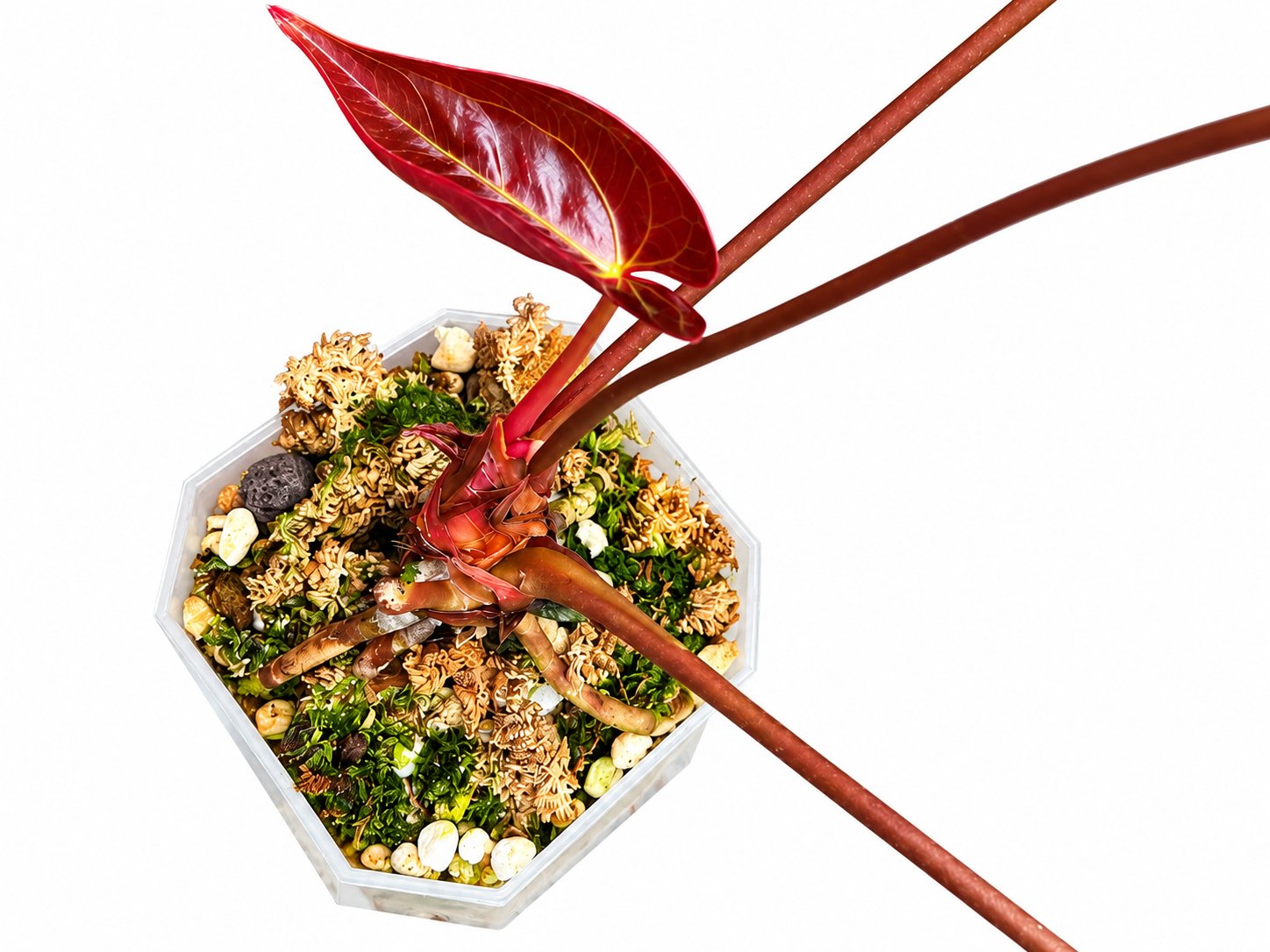
Yes, are Anthurium pedatoradiatum easy to grow? For most indoor growers, the honest answer is yes, with one condition: you have to respect its love of warmth and its dislike of soggy roots. Anthurium pedatoradiatum is a tropical aroid grown for its finger-like leaves, and it suits collectors who can offer bright filtered light and steady household warmth.
New owners commonly trip up in the same few places, so it helps to know where. The plant is forgiving about missed waterings. It is far less forgiving about cold draughts and heavy, wet potting mix.
Below, we break down light, water, soil, humidity and the fixes for common problems, so you can judge the difficulty for your own setup.
Anthurium Pedatoradiatum Light Requirements
Anthurium pedatoradiatum light requirements come down to one word: bright. Give it bright, indirect light and it rewards you with steady new growth. Direct midday sun will scorch those thin finger-like leaves.
An east-facing window is a safe starting point. A bright room with sheer curtains also works well. Rotate the pot every week or two so the plant grows evenly rather than leaning hard toward the glass.
Watch for these signals:
- Pale, stretched stems: too little light, move it closer to the window
- Brown, crispy patches: too much direct sun, pull it back
- Even, glossy leaves: the light level is about right
In winter, light drops across most of the country. Shift the plant to your brightest spot and cut back watering to match slower growth.
Anthurium Pedatoradiatum Watering
Water when the top few centimetres of substrate feel dry. That single habit prevents most problems with this plant. Anthurium pedatoradiatum watering is not about a schedule. It is about checking the mix with your finger before you reach for the can.
In warm months, that might mean watering roughly once a week. In cooler months, it can stretch out much further. Always test first.
A few practical rules:
- Water thoroughly, then let excess drain away completely
- Never leave the pot sitting in a saucer of water
- Use a pot with drainage holes, every time
- Reduce watering when growth slows in the cooler season
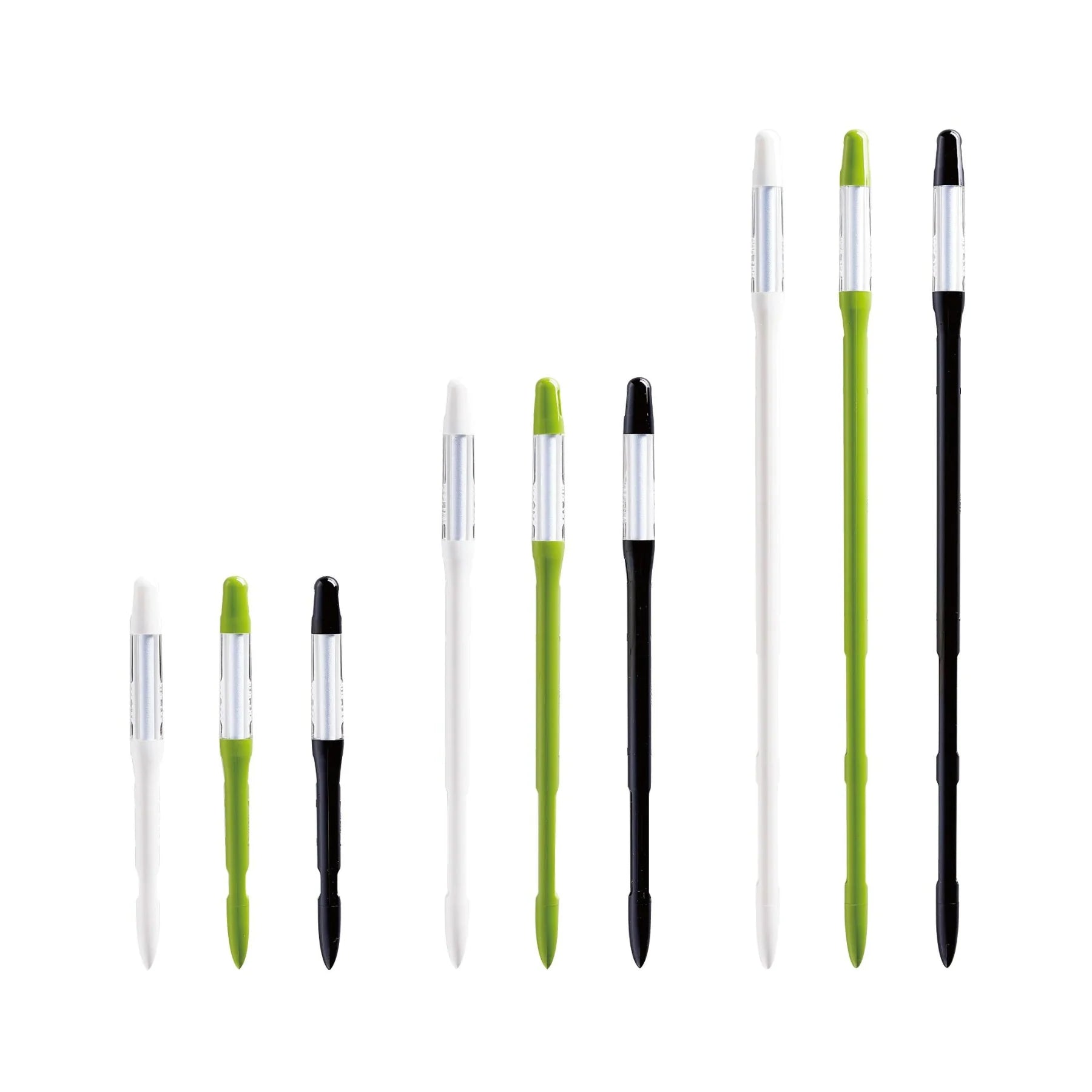
If you tend to overwater, a moisture indicator takes the guesswork out of it. We stock a Sustee plant moisture indicator that shows when the substrate is still damp, which is genuinely handy for this species.
Anthurium Pedatoradiatum Soil Mix
Anthurium pedatoradiatum soil mix needs to drain fast and hold a little air around the roots. A chunky, airy blend beats a dense potting soil every time. Think orchid bark, perlite and a small amount of coco peat, not a heavy compost.
This is a terrestrial grower with an upright habit, but its roots still hate sitting wet. A mix that stays soggy is the fastest route to root rot.
Our baseline blend looks like this:
- Roughly equal parts orchid bark and perlite
- A smaller share of coco peat or peat for slight moisture retention
- A handful of charcoal if you have it
Repot into a pot only slightly larger than the root ball. Oversized pots hold too much wet mix around the roots and slow everything down.
Anthurium Pedatoradiatum Humidity
Anthurium pedatoradiatum humidity matters, but this plant copes with ordinary household air better than many collectors expect. The practical answer is a range, not a slogan: most growers find it settles happily somewhere between roughly 50 and 70 per cent relative humidity, and it tolerates dips below that for short periods far better than it tolerates wet roots or cold air.
That range is worth translating into cues you can actually observe at home:
- Leaf edges stay flat and supple: humidity is in a workable range
- New leaves unfurl cleanly without sticking or tearing: good sign
- Brown, papery tips on the newest leaves while the mix is evenly moist: air is likely too dry
- Crisp edges only on older leaves, with dry substrate: watering, not humidity, is the culprit
A cheap hygrometer takes the guesswork out of it. Place one near the plant rather than across the room, because humidity varies noticeably between a bright bathroom, a heated living area and a spot near an air-conditioner. Most homes sit in a workable range already, and a small humidifier in one room is usually enough to lift a dry room into the comfortable band.
Skip the misting routine. Wet leaves with poor airflow invite problems, and it does little for the plant beyond a brief spike that evaporates within minutes. Grouping plants together or using a pebble tray gives a steadier lift with less risk.
What this plant really wants is warm conditions paired with moving air. Keep it away from cold windows, air-conditioning vents and draughty doorways, and avoid sealing it into a stagnant corner. Steady warmth plus gentle airflow does more for it than any humidity gadget, and it is the combination that keeps those finger-like leaves looking their best through a southern winter.
Watch out: a plant that looks fine in summer can sulk in a heated room once the cooler months arrive, so recheck the hygrometer when you turn the heating on rather than assuming last season's reading still applies.
Troubleshooting Common Problems
Yellowing leaves are the most common complaint, and the cause is usually watering or drainage. Before you change anything else, check the substrate and the roots. Anthurium pedatoradiatum is a steady grower when its roots are happy, so many symptoms trace back to the pot rather than to the leaves themselves.
Here is how we read the usual signals, with the mechanism behind each one:
| Symptom | Likely cause | What is actually happening | Fix |
|---|---|---|---|
| Yellow lower leaves, soft stems | Overwatering or poor drainage | Roots are starved of oxygen and begin to rot | Let the mix dry out, check roots, repot if mushy |
| Brown crispy leaf edges | Dry air or underwatering | Leaf margins lose water faster than roots replace it | Raise humidity, water more evenly |
| Pale, leggy growth with long gaps between leaves | Too little light | The plant stretches toward the nearest light source | Move to a brighter spot, rotate weekly |
| No new growth in season | Cool temperatures or low light | Growth stalls below its preferred warmth | Warm the room, boost light |
| Soft, dark stems at the base | Root rot from wet mix | Tissue is breaking down from prolonged saturation | Repot into fresh, airy substrate, trim rot |
| New leaf stuck or torn as it unfurls | Low humidity at the moment of emergence | Dry air makes the sheath grip the leaf | Lift humidity while a new leaf is emerging |
| Brown patches on the upper leaf surface | Direct sun scorch | Thin leaves burn quickly in strong midday light | Pull back behind sheer curtains |
A few patterns are worth knowing before you start changing things. Yellowing that starts at the bottom and moves upward, paired with a damp mix that stays damp for days, points to drainage rather than feeding. Yellowing that appears on newer leaves while the mix dries quickly usually points the other way, toward underwatering or a root ball that has dried out unevenly.
Slow growth is the complaint that most often gets misdiagnosed. This plant slows naturally through the cooler months, so a quiet winter is normal rather than a problem. If it is still stalled in the growing season, check warmth and light before you reach for fertiliser, because feeding a cold, dim plant does not restart growth.
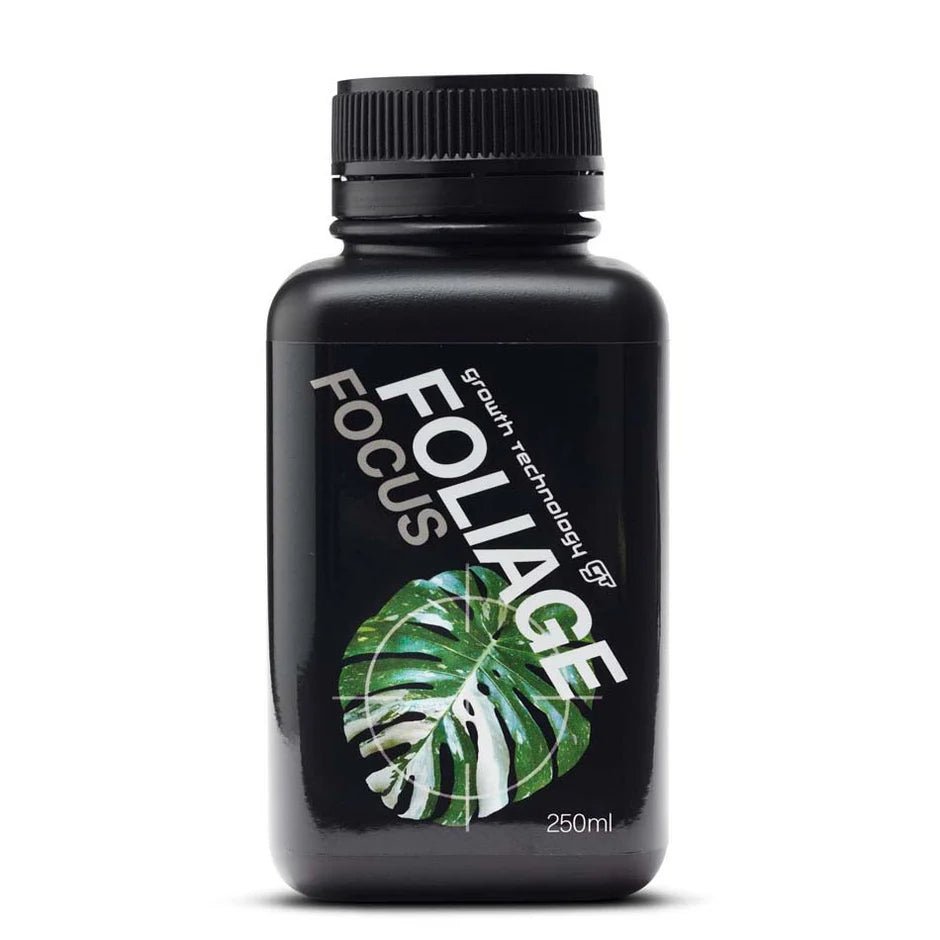
A balanced liquid feed through the growing season supports healthy leaf development. Obsessed With Aroids sells GT Growth Technology nutrients, formulated for Alocasia and Anthurium. Feed lightly and never on bone-dry roots, because concentrated feed on dry roots can burn them.
Watch out: if a plant smells sour at the base or the stems feel soft rather than firm, treat it as a drainage emergency rather than a cosmetic issue, because rot spreads faster than most people expect.
Propagation and Repotting Basics
Propagation is best done at repotting time, when you can see the root mass clearly. Anthurium pedatoradiatum spreads by offsets and rhizome growth, so division is the practical method for home growers. Seed is possible but slow and rarely worth it for a collector.
Follow these steps:
- Water the plant a day before, so the mix holds together
- Slide the plant out and gently loosen the substrate
- Look for natural divisions with their own roots
- Cut cleanly with a sterile blade, keeping roots on each piece
- Pot each division into fresh, airy mix
- Keep them warm and out of direct sun while they settle
Repot every couple of years, or when roots crowd the pot. Choose a pot one size up, not a big jump. Fresh, well-draining substrate does more for the plant than a larger container.
Choosing a Healthy Anthurium Pedatoradiatum
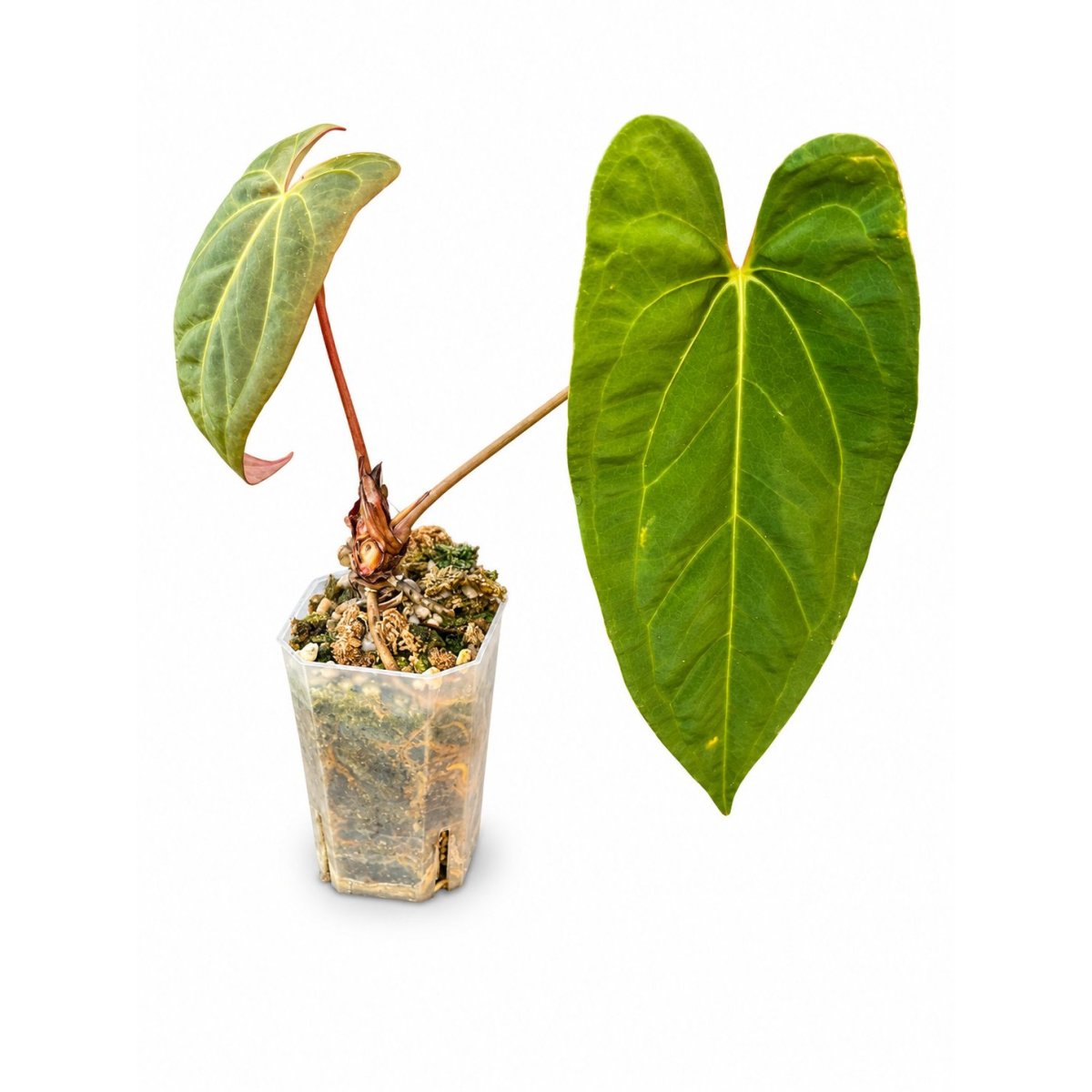
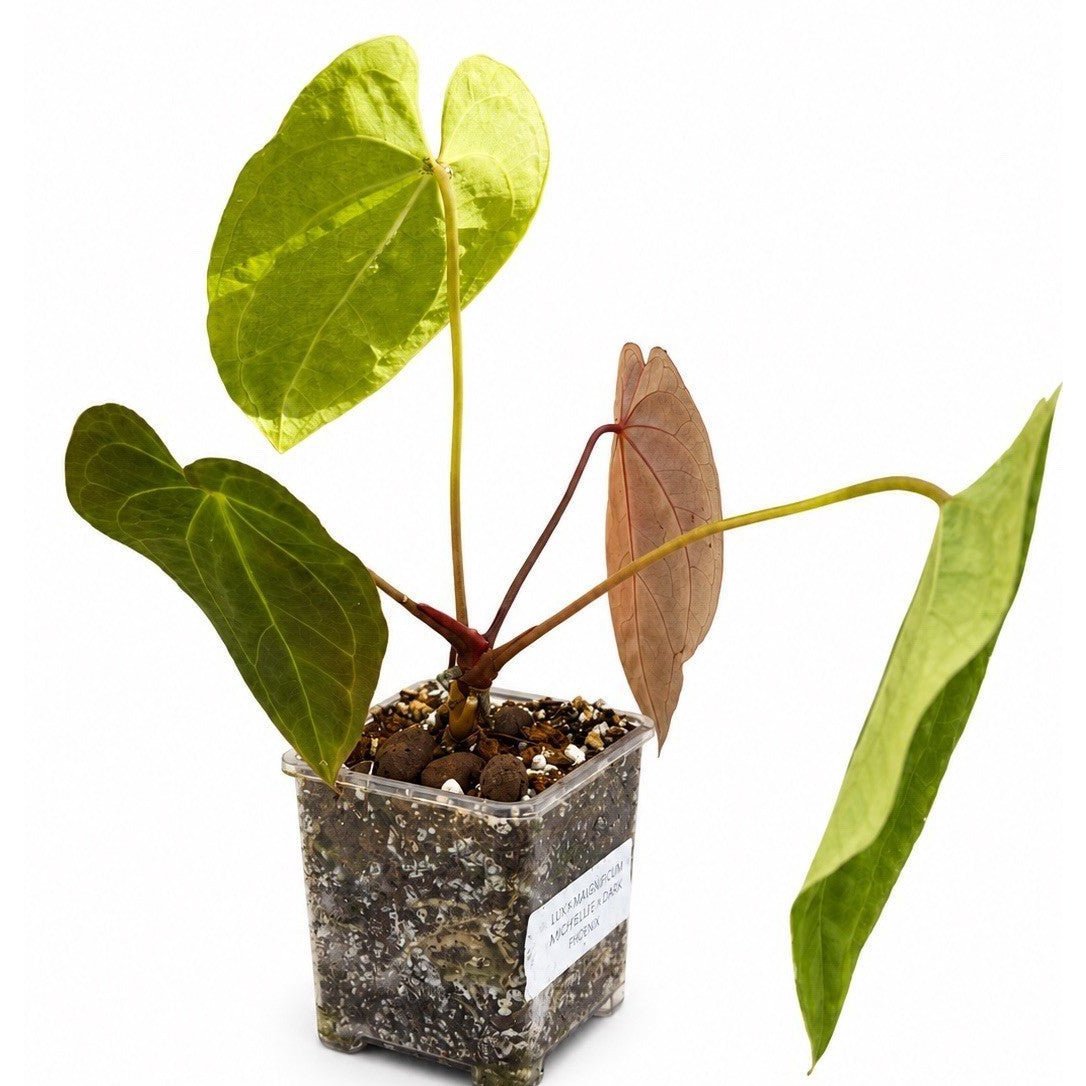
A healthy Anthurium pedatoradiatum has firm stems, clean leaves and a full set of roots. Check the new growth first, because active, unmarked leaves tell you the plant is settled and growing well. Skip any specimen with soft stems or a sour smell from the mix.
When you buy online, ask how the plant was grown. Corm-grown plants are raised from the plant's own corms rather than from lab tissue culture. Obsessed With Aroids offers corm-grown plants and lists them with honest detail.
Our Anthurium collection lets you browse current plants. Before your new arrival settles in, read our guide on how to acclimate rare shipped plants, which walks you through the first weeks after unboxing.
If you are weighing up difficulty, a related species gives a useful comparison. See whether Anthurium clarinervium is good for beginners to gauge how this plant stacks up against another popular Anthurium.
Growing Anthurium pedatoradiatum is very achievable once you get light, warmth and drainage right. The challenge is patience: give it bright filtered light, let the mix dry between waterings, and keep it warm through the cooler months. At Obsessed With Aroids, we grow corm-grown Anthurium and Alocasia for collectors and back every listing with honest detail and careful packing. Browse our rare Anthurium plants and specialist GT Foliage Focus nutrients, and get started with Obsessed With Aroids to add a healthy, finger-leafed specimen to your collection.
Frequently Asked Questions
Are Anthurium pedatoradiatum easy to grow indoors?
Yes, they are generally considered beginner-friendly indoors. They tolerate average household temperatures and humidity, and they tell you when they need water by drooping slightly. The main challenge is light: they need bright, indirect light to keep their finger-like leaves looking their best. In an Australian home, a spot near an east or north-facing window with a sheer curtain usually works well.
How often should I water Anthurium pedatoradiatum?
Water when the top 3 cm of substrate feels dry. In warm months that might mean once a week; in cooler months, every 10 to 14 days. Always check with your finger before watering, as overwatering is the most common mistake. Use a pot with drainage holes and empty the saucer so roots never sit in water.
Does Anthurium pedatoradiatum need high humidity?
It appreciates humidity but adapts to average indoor levels. Aim for around 50 to 60 percent if you can, which you can support with a pebble tray or grouping plants. In dry inland climates or air-conditioned rooms, a small humidifier helps. Avoid misting the leaves heavily, as standing water can encourage fungal issues.
Why are the leaves on my Anthurium pedatoradiatum turning yellow?
Yellow leaves usually point to watering problems. Soggy substrate and yellowing lower leaves suggest overwatering; dry, crispy edges suggest underwatering or low humidity. Check the top 3 cm of substrate and the drainage holes. If the soil is wet and smells sour, repot into fresh, well-draining mix and trim any mushy roots.