 How-to
Is Anthurium Clarinervium Good for Beginners?
Last Updated: November 4, 2026
Quick Summary
Yes, anthurium clarinervium is a good beginner plant, with one honest caveat: it forgives a missed watering but not a soggy pot. If you can keep a chunky mix and wait for the top of the soil to dry, this velvet-leaved epiphyte will reward you with steady new growth.
- Water when the top few centimetres of mix feel dry, usually every seven to ten days in warm weather.
- Use a chunky, airy mix of bark, perlite and coco peat, and always choose a pot with drainage holes.
- Keep the plant above roughly 15°C and away from cold windows and air-conditioning vents in winter.
- Expect one new leaf every few weeks in the warm months and little to nothing over winter.
- Buy a healthy, established plant with firm leaves and active new growth rather than the cheapest seedling.
Table of Contents
- The Verdict: Is Anthurium Clarinervium Beginner-Friendly?
- What Anthurium Clarinervium Actually Needs
- Anthurium Clarinervium Watering: When and How Often
- Anthurium Clarinervium Potting Mix and Drainage
- How to Acclimate an Anthurium to a New Home
- Beginner Care Routine: Reading the Plant's Cues
- Troubleshooting Common Problems
- Choosing Your First Clarinervium
- Frequently Asked Questions
The Verdict: Is Anthurium Clarinervium Beginner-Friendly?
Yes, Anthurium clarinervium is a good beginner plant, with one honest caveat: it forgives a missed watering but not a soggy pot.
Clarinervium is one of the more forgiving velvet anthuriums you can start with.
It is not a "set and forget" plant like a pothos. But it is far more tolerant than the fussier collector species.
Here's what most guides get wrong. They either call it "easy" with no caveats, or they scare beginners off with talk of terrariums and misting schedules.
Anthurium clarinervium is a slow-growing tropical epiphyte with heart-shaped velvet leaves and striking white veins.
Below, we'll show you exactly what it needs, how to read its cues, and how to pick a healthy one.
What Anthurium Clarinervium Actually Needs
Three things keep this plant happy: bright filtered light, warmth, and air around its roots. Get those right and the rest is simple. The trick for beginners is that those three needs shift with the seasons and with the room you keep the plant in, so a set-and-forget spot rarely stays ideal all year.
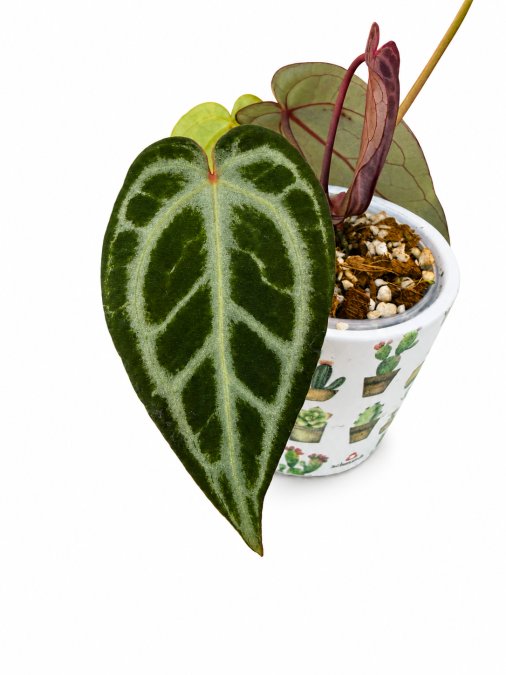
Light and warmth in an Australian home
Bright indirect light is the goal. A spot a metre or two back from a north- or east-facing window works well in most homes.
Keep it out of harsh direct sun, especially in summer. Strong afternoon sun will scorch those velvet leaves fast, and scorch marks do not heal, you will be waiting for the next leaf to cover the damage.
Warmth matters too. This is a tropical plant that sulks below about 15°C. Keep it away from cold windows and air-conditioning vents in winter.
A common pattern in Australian homes is that light drops sharply from about April and picks up again in September.
Humidity without the fuss
Higher humidity helps, but you do not need a cabinet or a misting routine. A bathroom with good light, or a spot near other plants, is usually enough.
A simple pebble tray or a small humidifier nearby can help in dry conditions, and it matters most when winter heating is running. Do not obsess over exact numbers.
Misting is not a substitute for real humidity, it wets the leaves briefly and evaporates. If you like misting for the ritual, fine, but do not rely on it to fix dry air. Better airflow around the leaves matters more than a daily spray, and it also helps prevent the fungal issues that come with still, damp air.
Air around the roots
The third need is the one beginners underestimate. In the wild this plant grows on tree trunks, so its roots expect air as much as moisture. That is why the potting mix and pot you choose matter as much as where you put the plant, a heavy mix or a pot without drainage undoes good light and humidity in a hurry. We cover the mix and pot in detail further down.
Anthurium Clarinervium Watering: When and How Often
Water when the top few centimetres of mix feel dry, not on a fixed calendar. In practice, that is usually every seven to ten days in warm weather and less in winter.
The biggest beginner mistake is overwatering. This plant hates sitting wet.
A few watering rules we follow:
- Check the mix with a finger before watering
- Water thoroughly, then let it drain fully
- Never leave the pot standing in water
- Ease off in cooler months when growth slows
If you are unsure, a moisture indicator takes the guesswork out. Our SUSTEE moisture indicator turns from blue to white when it is time to water, with no batteries and no fiddling.

Anthurium Clarinervium Potting Mix and Drainage
A chunky, airy mix is non-negotiable. Think bark, perlite and a little coco peat rather than dense potting soil.
Anthurium clarinervium potting mix should hold a little moisture but drain fast. Roots need air, and a heavy mix smothers them.
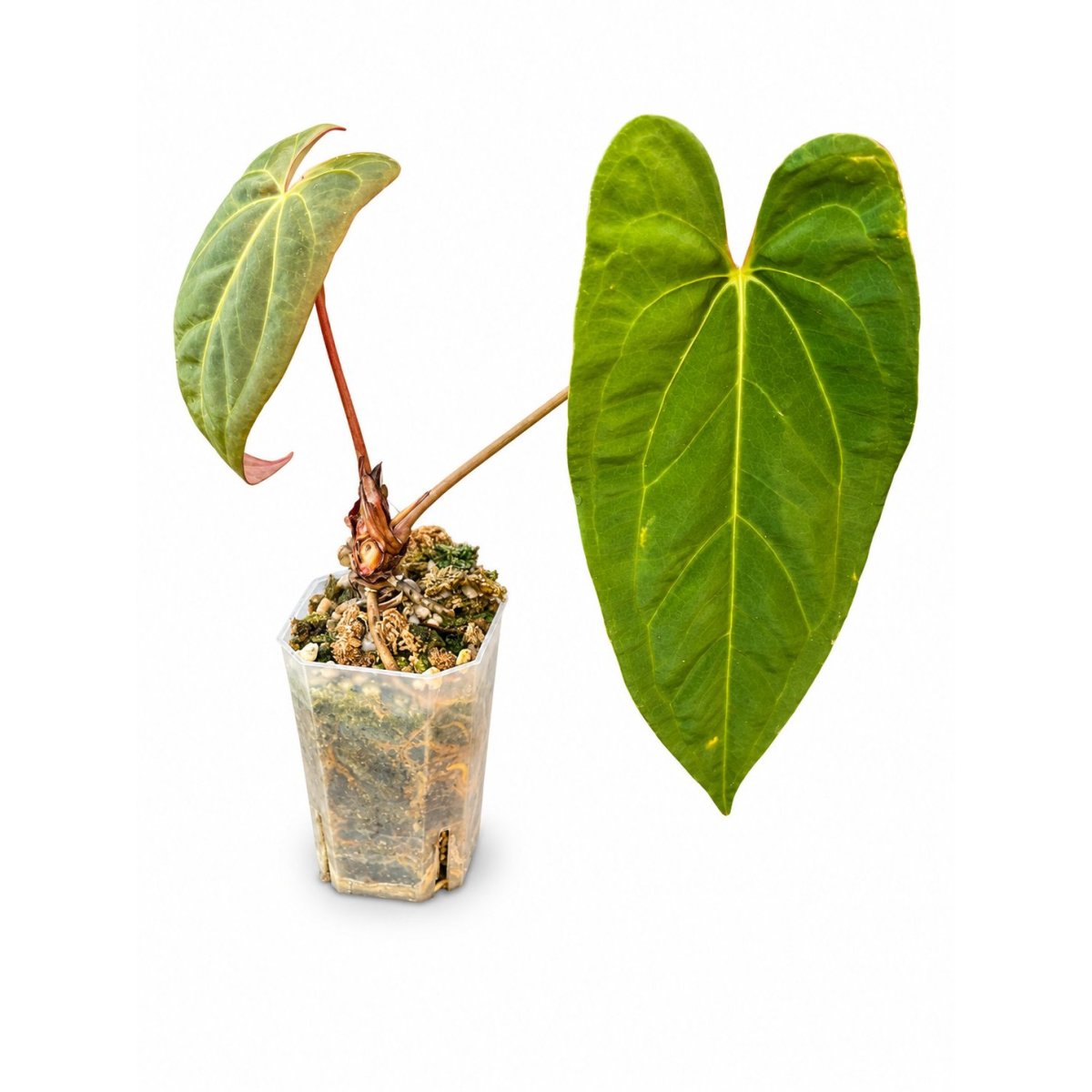
Anthurium NOID Hybrid – Established Plant →
Drainage holes in the pot are just as important. A decorative pot with no holes is a root-rot trap.
Repot only when the roots crowd the pot. This plant prefers being slightly snug, and it grows slowly, so that is not often.
How to Acclimate an Anthurium to a New Home
Give a new arrival a calm, bright spot and leave it alone for a week or two. Moving a plant straight into repotting, feeding and fussing is the fastest way to stress it.
Here is the routine we suggest:
- Unpack gently and check the leaves and roots
- Place it in bright indirect light, away from direct sun
- Hold off watering for a few days unless the mix is bone dry
- Skip fertiliser for the first month
- Watch for new growth as your sign it has settled
Beginner Care Routine: Reading the Plant's Cues
The plant tells you what it needs if you know what to look for. A weekly two-minute check beats any rigid schedule, and it is the single habit that separates beginners who succeed with this plant from those who lose it to rot.
Here is the routine we suggest for a plant in a typical Australian home:
- Once a week, look before you water. Push a finger into the mix. If the top few centimetres are dry, water thoroughly and let it drain. If it is still damp, wait.
- Check the newest leaf. A leaf on the way is your sign that conditions are steady. A long pause with no new growth usually means light or warmth has dropped.
- Glance under the leaves. Spider mites and mealybugs show up first on the undersides, especially in dry indoor air through winter.
- Lift the pot. A pot that feels heavy and smells sour is a warning; a pot that feels light is usually ready for water.
- Feed lightly in the warmer months. A balanced liquid fertiliser at half strength is plenty. We also sell GT Growth Technology nutrients, specialist plant food formulated for Alocasia and Anthurium, if you want something purpose-made. Stop feeding in the cooler months when growth slows.
Watch these signals:
- New leaf emerging: growth is on track, keep conditions steady
- Drooping leaves: often thirst, but check the mix before watering, drooping in wet mix points to root stress, not thirst
- Yellow lower leaves: usually age, but could mean a wet mix
- Crispy edges: low humidity or inconsistent watering
- Pale new growth: often too little light
- Small new leaves: a plant that is comfortable but not thriving; check light and feeding
What to realistically expect
This is a slow grower, and that is normal. Most beginners see one new leaf every few weeks through the warm months and little to nothing over winter. A plant that produces a handful of good leaves in its first year is doing well. Do not judge it against a pothos or a monstera.
Maintenance is genuinely low once the mix is right: a weekly check, a water when dry, and a feed in the growing season. The plant does not need repotting often, and it prefers being slightly snug, so you are not repotting every year. The main ongoing job is watching the mix and the leaf undersides.
Adjusting for the season
In summer, growth is fastest and water use is highest, so check more often. In winter, heating dries the air and light drops, so growth slows and the plant needs less water, overwatering in winter is the most common way beginners lose this plant. If you keep it near a heater or air-conditioner, move it a little further away; the dry, moving air stresses the leaves even when the room feels warm.
If you are unsure about watering, check the mix with your finger before each watering.
Troubleshooting Common Problems
Most problems with this plant trace back to water and air. Fix those two and the rest usually follows.
| Symptom | Likely Cause | What to Do |
|---|---|---|
| Yellow lower leaves | Overwatering or wet mix | Let it dry, check drainage |
| Crispy leaf edges | Low humidity or dry spells | Raise humidity, water evenly |
| Drooping leaves | Thirst or root stress | Check mix, water if dry |
| Brown mushy roots | Root rot from sitting wet | Repot in fresh chunky mix |
| Pale, stretched growth | Too little light | Move to brighter indirect spot |
Pests are less common but worth a weekly glance. Check under leaves for spider mites and mealybugs, especially in dry indoor air. Wipe them off with a damp cloth and treat as needed.
Watch out: if you spot soft, dark roots and a sour smell, that is rot. Act quickly, trim the damaged roots and repot into fresh, airy mix before it spreads.
Choosing Your First Clarinervium
Buy a healthy, established plant rather than the cheapest seedling you can find. A strong start makes beginner care far easier.
Look for firm leaves, clear veining and active new growth. Ask whether the plant is corm-grown or tissue culture, because the two are not the same thing.
Corm-grown plants are raised from the plant's own corms, the way it naturally reproduces. Tissue culture plants are cloned in a lab.
Ready to start? Browse our current Anthurium collection and pick a plant that suits your space and experience.
Frequently Asked Questions
Is Anthurium clarinervium easy to care for?
It is one of the more forgiving velvet anthuriums. The main things it needs are bright indirect light, a chunky well-draining mix and watering only when the top of the mix feels dry. It does not demand a greenhouse or constant misting. Get those basics right and it grows steadily, though it is slower than many common houseplants, so expect patience rather than rapid size.
How often should you water Anthurium clarinervium?
There is no fixed schedule. Check the mix every few days and water when the top few centimetres feel dry. In a warm, bright room that might be weekly; in cooler months it can stretch out. Always water thoroughly until it drains, then let it dry again. Anthurium clarinervium watering is about observation, not a calendar.
What potting mix is best for Anthurium clarinervium?
A chunky, airy aroid mix works best. Blend orchid bark, perlite and a little coco peat or quality potting soil so water runs through rather than sitting. The plant is an epiphyte in nature, so roots need air. Always use a pot with drainage holes and never let the base sit in water, which is the fastest route to root rot.
Why are the leaves on my Anthurium clarinervium turning yellow?
Yellowing is usually a moisture problem, most often overwatering or a mix that stays wet too long. Check the roots and drainage first. Crispy edges point to dry air or underwatering, while drooping leaves can mean the mix is too dry or the plant is stressed after moving. Adjust one thing at a time and watch new growth for the real answer.
How do you acclimate a new Anthurium clarinervium?
Place it in bright indirect light away from direct sun and draughts, and leave it alone for a week or two. Do not repot or fertilise straight away. Check moisture and water only when needed. Some leaf loss in transit is normal. Once you see active new growth, you can settle it into your normal routine.
The real test of beginner-friendliness is not the first month, it is the first winter, when light drops and growth slows. Get through that and you will know this plant is genuinely manageable. At Obsessed With Aroids, we grow corm-grown plants, pack them carefully for safe arrival, and ship to street addresses across the country, so you start with a healthy specimen rather than a gamble. Get started with Obsessed With Aroids and add a velvet-leaf Anthurium to your collection with confidence.