 how-to
Alocasia Black Stem Albo: Care, Variegation & Recovery
Table of Contents
- What Makes the Alocasia Black Stem Albo Special
- Why Your Alocasia Black Stem Albo Leaves Are Drooping
- How to Make Alocasia Leaves Stand Up Again
- Should I Cut Off Drooping Alocasia Leaves
- Alocasia Leaf Recovery: Timeline and Expectations
- Keeping Variegation Stable in Your Black Stem Albo
- Growing Conditions for Healthy Petioles and New Growth
- Conclusion
- Frequently Asked Questions
Last Updated: October 17, 2026
What Makes the Alocasia Black Stem Albo Special
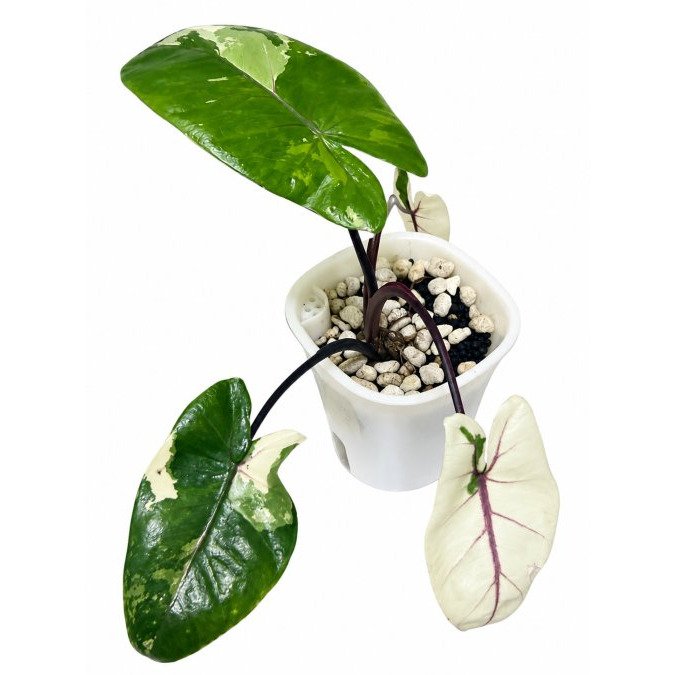
The Alocasia Black Stem Albo stands out among variegated aroids for its dramatic contrast and reliable growth potential.

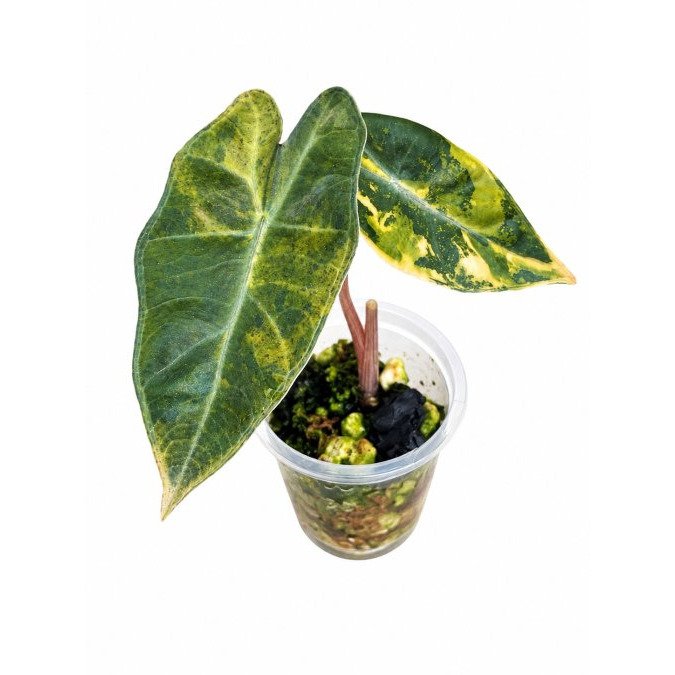
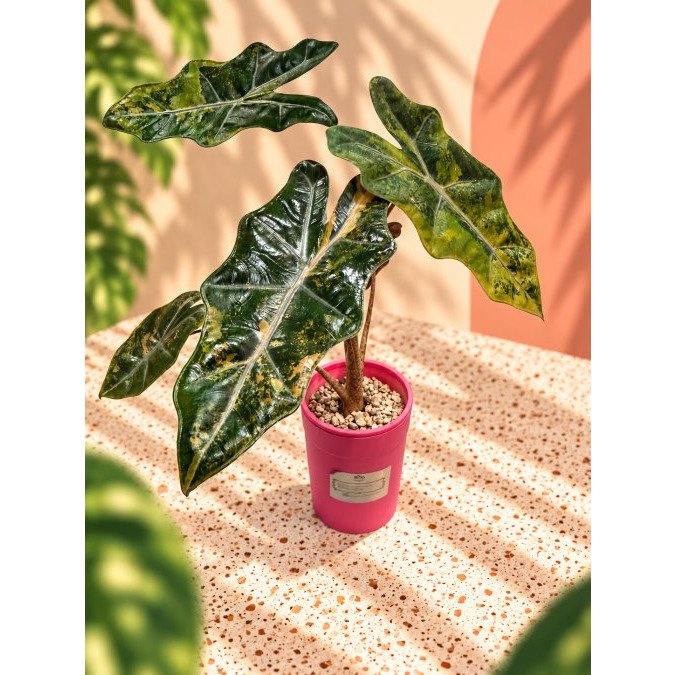
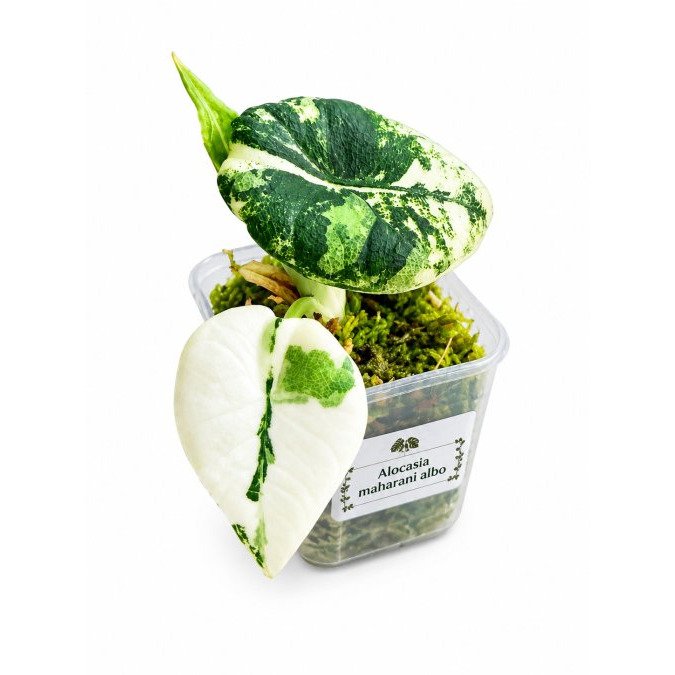
What you're buying is a plant with striking cream-white variegation splashed across deep green leaves, anchored by jet-black petioles that give the plant its name. The variegation pattern is stable, which matters.
The real appeal for collectors is growth potential. A healthy specimen can push out substantial new leaves, and watching those black stems unfurl is genuinely rewarding. But here's what most guides miss: this plant is sensitive to the transition between environments.
Why Your Alocasia Black Stem Albo Leaves Are Drooping
Drooping leaves in an Alocasia Black Stem Albo are almost never random. The plant is telling you something specific is wrong. The good news: once you identify the cause, recovery is usually straightforward.
Overwatering and root rot
This is the biggest killer. Alocasias hate sitting in wet soil, and the Black Stem Albo is no exception. When soil stays soggy, roots can't breathe. Rot sets in quickly.
The petioles will droop first. The leaves might also yellow, starting from the base. If you catch it early, the plant bounces back. If rot spreads to the rhizome, you're in trouble.
Check the soil before watering. Stick your finger 2 centimetres into the top layer. If it feels wet or even damp, don't water yet. Wait another few days.
What to look for:
- Soil that smells sour or musty
- Petioles that feel soft or mushy at the base
- Leaves yellowing from the bottom up
- Soil that doesn't dry between waterings
Underwatering and dehydration
The opposite problem is just as real. If soil dries out completely, the plant can't pull water up through the petioles. Leaves droop, but they'll feel papery and thin rather than soft.
Underwatering usually happens when people overcompensate after a rot scare, or when they're watering on a fixed schedule regardless of conditions. In active growth (spring and summer), the Black Stem Albo drinks more.
Check the soil weight. A pot that's bone-dry feels light. A pot with adequate moisture feels heavier. If you're unsure, water lightly and wait a day, you'll see the leaves perk up if dehydration was the issue.
Temperature shock and cold drafts
Alocasias are tropical plants. They hate cold. Temperatures below 15°C stress them badly. Leaves droop, growth slows, and the plant can take weeks to recover.
Cold drafts from windows, air conditioning, or doors are a common culprit. Even if the room feels warm to you, a plant sitting in a cold draft experiences real stress.
Move your plant away from direct cold sources. Keep it in a space that stays between 18-24°C consistently. That's the sweet spot for the Black Stem Albo.
Low humidity and dry indoor air
Indoor heating in winter dries the air fast. Alocasias prefer humidity around 60-70%. When it drops below 40%, leaf edges can brown and petioles weaken, causing drooping.
You don't need a humidifier, though one helps. A pebble tray works: fill a shallow tray with pebbles, add water (so water touches the pebbles but not the pot base), and set the pot on top. As water evaporates, humidity rises around the plant.
Misting helps too, but it's temporary. Spray the leaves in the morning so they dry quickly and avoid fungal issues.
Transplant shock and relocation stress
Moving a plant is stressful. Even if you're careful, the change in light, humidity, and temperature can trigger drooping leaves. The plant is adjusting.
This is especially common when plants arrive after shipping. The Black Stem Albo might look fine in the box but droop a few days after you unpack it. That's normal. Give it a week in its new spot before you panic and start adjusting care.
Keep the plant in bright, indirect light and don't change the watering routine for at least a week. Let it acclimate.
How to Make Alocasia Leaves Stand Up Again
Getting drooping leaves to recover depends on identifying the cause first. Once you know what went wrong, the fix is usually simple.
Check soil moisture and drainage first
This is where you start. Always.
Remove the plant from its pot and look at the soil. Healthy soil should feel moist but not waterlogged. Roots should be white or light tan, not brown or black.
If the soil is soggy and roots are brown, repot immediately into fresh, well-draining medium. Use a mix of sphagnum moss, perlite, and orchid bark. This gives roots oxygen and prevents rot.
If the soil is bone-dry, water thoroughly until water drains from the bottom. Then check the pot's drainage holes. If they're blocked, clear them. Blocked drainage is a silent killer.
Drainage checklist:
- Pot has at least one drainage hole
- Soil dries slightly between waterings
- Roots are light-coloured and firm
- Soil smells fresh, not sour
Inspect roots and consider repotting
If drooping persists after adjusting watering, the roots need inspection.
Gently remove the plant and examine the root system. Healthy roots are flexible and light. Mushy, dark, or foul-smelling roots mean rot has set in.
If you find rot, trim away the affected roots with clean scissors. Repot into fresh medium. Don't water heavily for a week, let the plant settle first.
For plants that have been drooping for weeks, repotting often helps even if rot isn't severe. Fresh medium and a gentle root trim can reset the plant's stress response.
Adjust humidity and temperature
Once soil and roots are sorted, focus on environment.
Move the plant to a spot with stable warmth, no cold drafts, no heat vents blowing directly on it. Aim for 18-24°C.
If the air is dry (especially in winter), use a pebble tray or humidifier. Humidity around 60% is ideal. You'll notice new growth emerges faster and petioles stay firmer.
A simple way to check humidity: if you see leaf edges browning or the plant feels "crispy," humidity is too low.
Alocasia macrorrhiza ‘Black Stem Albo Variegata’ | Corm Grown | Exact Plant →
Should I Cut Off Drooping Alocasia Leaves
This is a question we hear often. The answer depends on what's causing the droop.
If the leaf is recovering, petiole is still firm and the leaf itself looks healthy, leave it alone. Give it a week. Many leaves perk back up once you fix the underlying problem.
If the leaf has been drooping for weeks, feels papery or mushy, or is yellowing heavily, cut it off.
Don't panic about losing one or two leaves. The Black Stem Albo bounces back. What matters is that you've fixed the cause so new growth comes in strong.
When to cut:
- Leaf has been drooping for more than 2 weeks
- Petiole feels soft or mushy
- Leaf is more than 50% yellowed
- Cutting won't leave the plant bare (keep at least 2-3 healthy leaves)
Alocasia Leaf Recovery: Timeline and Expectations
Recovery timelines vary, but here's what's realistic.
If the problem was just low humidity or a minor watering adjustment, you'll see improvement in 3-5 days.
If the plant experienced cold shock or transplant stress, give it 2-3 weeks. The drooping leaves may not fully recover, but new growth will come in upright.
If root rot was the culprit, recovery takes longer. After repotting, expect 4-6 weeks before you see strong new growth. During this time, the plant is rebuilding its root system.
The variegation doesn't change during recovery. If your Black Stem Albo was variegated when it drooped, it'll still be variegated when it bounces back.
Recovery milestones:
- Days 1-3: Petioles may firm slightly
- Week 1-2: New leaves begin unfurling
- Week 3-6: Strong growth resumes, older drooping leaves may be removed
- Week 8+: Plant returns to normal vigour
Keeping Variegation Stable in Your Black Stem Albo
One of the biggest fears collectors have is variegation reverting. The cream-white patches fade, and you're left with a plain green plant.
The good news: the Black Stem Albo is one of the more stable variegated aroids.
Bright, indirect light is your friend. Place the plant near a window that gets morning sun or filtered afternoon light.
Consistent, moderate light helps keep variegation strong.
Temperature stability also matters. Stress from cold or extreme heat can trigger less-variegated growth.
Fertilizer plays a role too. Over-feeding with high-nitrogen fertilizer can push vigorous green growth that overshadows variegation. Feed lightly during active growth.
Variegation care:
- Bright, indirect light (no direct scorching sun)
- Stable temperatures 18-24°C
- Light fertilising during active growth
- Consistent humidity and moisture
- Avoid stress from cold or overwatering
Growing Conditions for Healthy Petioles and New Growth
Strong petioles and vigorous new leaves start with getting the fundamentals right.
Light matters most. The Black Stem Albo needs bright, indirect light to push healthy growth.
Humidity supports petiole strength. Dry air makes petioles weak and brittle. Aim for 60-70% humidity.
Watering rhythm matters. Water when the top 2 centimetres of soil feel dry.
Fresh air circulation prevents fungal issues and keeps the plant vigorous.
Feed lightly during active growth. Every 2-3 weeks, dilute fertiliser to half strength and water the plant.
The pot size matters too. A pot that's too large holds excess moisture.
Healthy growth checklist:
- Bright, indirect light
- Humidity 60-70%
- Soil moist but not soggy
- Light feeding during active growth
- Stable temperatures
- Fresh air circulation
- Pot size matched to root system
Conclusion
Drooping leaves in your Alocasia Black Stem Albo are fixable. Start by checking soil moisture and drainage, inspect the roots, and adjust humidity and temperature as needed. Most plants recover within 2-3 weeks once you've identified the cause.
The Black Stem Albo is a rewarding plant for collectors. Its stable variegation and strong growth potential make it worth the care.
We have healthy, carefully grown Alocasia Black Stem Albo specimens available at Obsessed With Aroids. Each plant is photographed as it ships, so you know exactly what's arriving.
Frequently Asked Questions
Why do Alocasia Black Stem Albo leaves droop?
Drooping leaves usually signal one of five issues: overwatered soil causing root rot, underwatering leaving the plant dehydrated, temperature stress from cold drafts or sudden changes, low humidity drying out leaf stems, or transplant shock after relocation. Check soil moisture first, squeeze a small handful of growing medium. If it's soggy, overwatering is the culprit. If it's bone dry, water thoroughly. Temperature should stay between 18-26°C, and humidity ideally above 60% to keep petioles firm.
Can drooping Alocasia leaves recover?
Yes, but it depends on the cause and how quickly you intervene. Leaves drooping from dehydration or humidity stress often perk up within 24-48 hours after adjusting conditions. Root rot recovery takes 2-4 weeks of careful management: repot into fresh, well-draining medium, reduce watering, and ensure good air circulation. Leaves that have already yellowed or turned translucent are unlikely to recover fully, but new growth will emerge healthy once the underlying problem is fixed.
Should I cut off drooping Alocasia Black Stem Albo leaves?
Only remove leaves that are completely yellow, mushy, or transparent, these are dead and won't recover. Drooping leaves that are still green and firm can bounce back once you fix the problem, so give them at least 2-3 weeks before pruning. Removing healthy foliage weakens the plant's ability to photosynthesise and recover. If a leaf stem is damaged but the blade is healthy, you can gently support the petiole with a soft tie rather than cutting it off.
How often should I water an Alocasia Black Stem Albo?
Water when the top 2-3 cm of soil feels dry to touch, usually every 7-10 days during active growth (spring and summer). In cooler months, reduce frequency to every 10-14 days. Always check soil moisture before watering, Alocasias prefer to dry out slightly between waterings rather than sit in wet soil. Use a pot with drainage holes and well-draining growing medium (sphagnum moss mixed with perlite works well). Overwatering is the most common cause of root rot in this species.
How much light does a variegated Alocasia Black Stem Albo need?
Bright, indirect light is essential, aim for 10,000-20,000 lux if you can measure it, or place the plant within 1-2 metres of a window with filtered sunlight. Variegated Alocasias need more light than solid-green varieties to maintain their cream and white patterning; insufficient light causes the plant to revert to all-green leaves and can lead to weak, drooping petioles. Avoid direct sun, which can scorch the delicate variegated foliage. Rotate the plant every 2 weeks for even growth.