 Ultimate guide
Anthurium Crystallinum Care Guide for Australian Growers
Quick Summary
The anthurium crystallinum care guide in Australia centres on bright indirect light, watering by checking the soil rather than the calendar, and a chunky, free-draining mix. Crystallinum prefers roughly 60 to 75 percent humidity with good airflow, and it should be kept out of direct midday sun, which scorches its velvet leaves.
- Give crystallinum bright, indirect light and move it away from direct sun to prevent scorched velvet leaves.
- Water only once the top few centimetres of soil have dried out, rather than on a fixed schedule.
- Use a chunky, open, free-draining mix so water moves through and air reaches the roots.
- Aim for roughly 60 to 75 percent humidity during active growth, and rely on airflow rather than misting the leaves.
- Carrying summer watering into winter is the biggest seasonal mistake, since the mix stays wet far longer.
Table of Contents
- What Makes Anthurium Crystallinum Different
- Light Requirements and Avoiding Direct Sun
- Anthurium crystallinum Watering: Reading the Soil Instead of the Calendar
- Choosing an Anthurium crystallinum Soil Mix
- Humidity, Temperature and Seasonal Care in Australia
- How to Acclimate Anthurium crystallinum After Delivery
- Healthy Anthurium Roots and Troubleshooting Common Problems
- Your Next Step: Setting Up a Crystallinum Care Routine
- Frequently Asked Questions
Anthurium Crystallinum Care Guide for Australian Growers
Last Updated: October 30, 2026
What Makes Anthurium Crystallinum Different
The anthurium crystallinum care guide in Australia starts with a plant that is one of the most sought-after aroids among Australian collectors, and it is easy to see why.
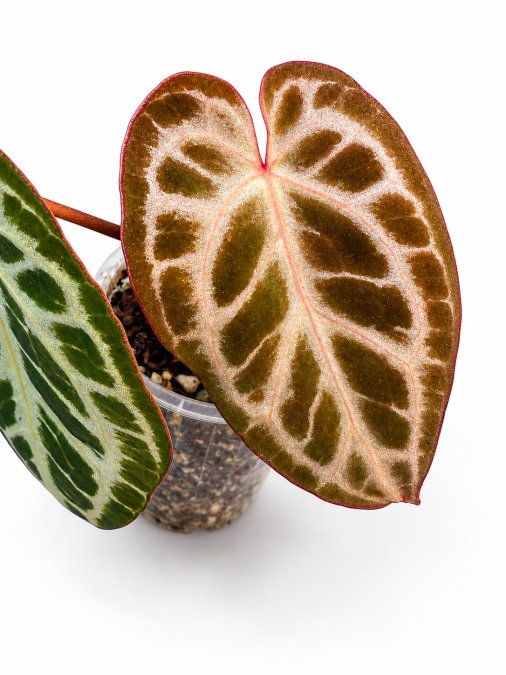
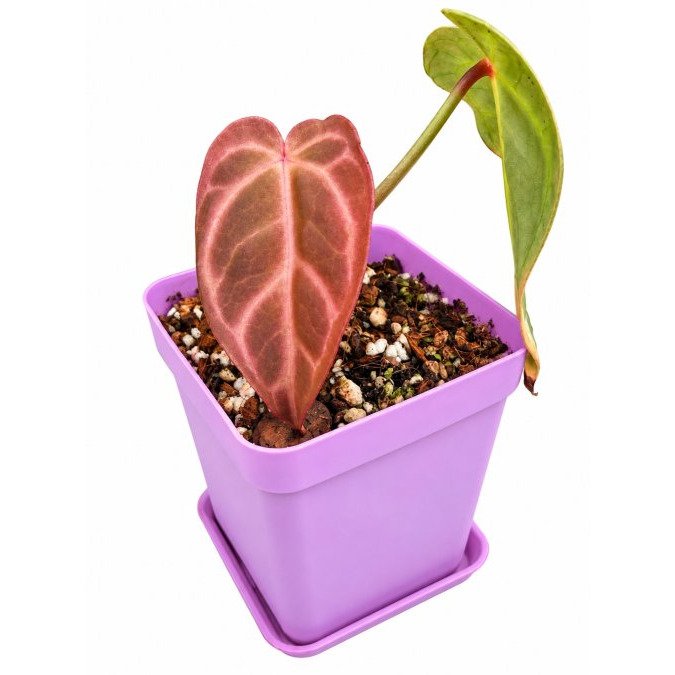
The difference starts with the leaves. The velvet surface reflects light differently from the glossy foliage most houseplants have.
A common mistake is treating crystallinum like a tough, forgiving beginner plant. It is more sensitive than that, but once you understand its needs it is manageable.
Light Requirements and Avoiding Direct Sun
Crystallinum wants bright, indirect light for most of the day. An east-facing window or a spot a metre or so back from a north-facing window usually works well in most Australian homes. Direct midday sun, especially through a west-facing window during summer, can scorch the velvet leaves and leave pale or brown patches that do not recover.
Use this simple routine to find the right spot:
- Place the plant where it receives bright light without a direct sun beam landing on the leaves.
- Check the leaves each morning for pale, crispy or bleached patches.
- If you see scorching, move the plant back from the window or add a sheer curtain.
- Rotate the pot every week or two so the plant grows evenly.
Watch out: a leaf that has already scorched will not turn green again, so adjust early rather than waiting for damage to show.
Anthurium crystallinum Watering: Reading the Soil Instead of the Calendar
Watering on a fixed schedule is one of the most common ways crystallinum gets into trouble, which is why any anthurium crystallinum care guide in Australia should stress checking the soil first.
Waterlogged soil is a bigger risk than underwatering, because prolonged wet conditions encourage root rot. Good drainage and a pot with drainage holes are essential, and empty any saucer of standing water after watering.
Using a Moisture Indicator
If you find it hard to judge moisture by touch, a moisture indicator can help take the guesswork out of watering. The SUSTEE Plant Moisture Indicator - Never Guess When to Water Again! is a simple option: push the stick into the pot and read the colour window. Blue means there is enough moisture, and white means moisture has dropped, so check whether your plant needs water.

Choosing an Anthurium crystallinum Soil Mix
A good soil mix for crystallinum is chunky, open and free-draining, so water moves through quickly and air reaches the roots.
Avoid dense, fine potting soils that stay wet for days, these compact around the roots and are a frequent cause of decline.
If you are building your own collection of care supplies, you can browse our GT Foliage Focus fertiliser range for aroids.

Humidity, Temperature and Seasonal Care in Australia
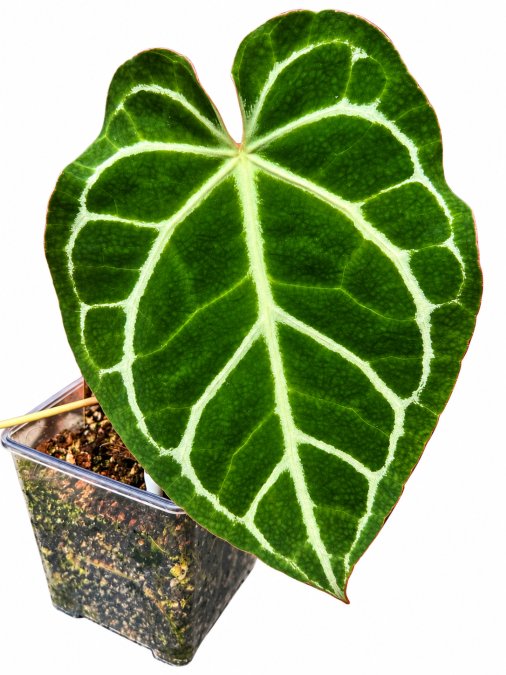
Crystallinum comes from humid understorey conditions, so it wants steady moisture in the air, but a common mistake is growers chasing a humidity number in a sealed room, which can lead to fungal spots on the velvet leaves. Humidity and airflow are a package deal. Aim for roughly 60-75% relative humidity during active growth, and accept that a dry heated home in winter may sit lower without the plant collapsing.
Raising Humidity Without Creating Fungal Risk
A few practical options, in rough order of how much I recommend them:
- Group plants together. A cluster of aroids creates a microclimate around the leaves without sealing anything in. This is the lowest-risk method.
- A pebble tray. Sit the pot on a tray of wet pebbles so the pot is above the water line. It lifts local humidity modestly and is hard to get wrong.
- A room humidifier on a controller. Useful in dry inland homes or during winter heating. Set it to a target and let it cycle rather than running it constantly.
Do not mist the velvet leaves to raise humidity. Crystallinum's leaf surface is designed to shed water, and standing droplets in still air are a common entry point for fungal problems. Raise humidity around the plant, not on it.
Temperature and Airflow
Keep crystallinum in a comfortable indoor range, roughly 18-28°C is a safe band for most homes. It dislikes cold draughts, single-glazed winter windows and hot spots near heaters or air conditioners. Gentle airflow from a ceiling fan on low, a small clip fan or a cracked window on a mild day does more for this plant than any humidity gadget, because it keeps the leaf surface dry and the air moving.
SUSTEE Plant Moisture Indicator – Never Guess When to Water Again! →
Adjusting Care Across Australian Seasons and Climates
Generic tropical-houseplant advice rarely accounts for how different a Brisbane summer is from a Melbourne winter or a Perth heatwave. Here is how I adjust care through the year:
| Season / condition | Light | Watering | Humidity & airflow | Feeding |
|---|---|---|---|---|
| Summer (hot, humid, northern and coastal) | Bright indirect; watch for afternoon sun through west windows | Check soil every 3-5 days; mix dries faster in heat | High ambient humidity; prioritise airflow to offset it | Feed at label rate while new growth is pushing |
| Summer (hot, dry, inland and southern heatwaves) | Move back from windows that heat up | Check every 2-4 days; consider a pebble tray | Humidifier or grouping helps; avoid fan blowing hot air | Feed at label rate, but pause during extreme heat stress |
| Autumn (transition) | Unchanged | Lengthen interval as growth slows | Reduce added humidity as ambient rises | Taper feeding toward the end of the season |
| Winter (cool, heated indoors) | Move closer to a bright window; supplement if needed | Water less, the mix stays wet far longer | Heating dries the air; a humidifier earns its keep | Hold off until new growth resumes in spring |
| Winter (mild, northern coastal) | Unchanged | Slightly longer interval | Ambient humidity usually sufficient | Light feeding if the plant keeps growing |
A few regional notes worth knowing:
- Tropical and subtropical growers often find crystallinum grows almost year-round, but the wet season is when root rot and leaf spot appear. Back off watering and lean on airflow.
- Temperate southern growers see a genuine slow-down from late autumn. Resist the urge to water on the summer schedule, wet, cool mix is the classic winter rot setup.
- Dry inland and arid-zone growers face the opposite problem: low ambient humidity and hot, dry air. Grouping, a pebble tray and a humidifier on a controller do more here than anywhere else.
Feed during active growth, typically spring through early autumn, using a balanced liquid fertiliser diluted to the product's directions. GT Foliage Focus is a liquid nutrient concentrate formulated for indoor foliage and aroids, and it is available in 250 ml for $13.00 and 1 litre for $26.00. Follow the bottle's directions for dilution and feeding frequency, and ease off in the cooler months when growth stalls.

The single biggest seasonal mistake is carrying your summer watering routine into winter. Check the mix, not the calendar, and let airflow do the heavy lifting on humidity.
How to Acclimate Anthurium crystallinum After Delivery
Plants can take a few weeks to settle after moving, so give yours a gentle transition. Place it in its final spot straight away, but avoid repotting or feeding in the first couple of weeks.
Watch for minor leaf drop or slowed growth in the early days. This is normal adjustment, not necessarily a sign of a problem. If you have questions about your plant's arrival or aftercare, you can contact the Obsessed With Aroids team for help.
Healthy Anthurium Roots and Troubleshooting Common Problems
Crystallinum is a plant that tells you what is wrong if you know what to look for. The trick is to read the symptom, check the roots, and change one thing at a time. Below is the diagnostic approach I use, starting with the roots because so many leaf problems trace back to them.
Checking the Roots First
Healthy crystallinum roots are firm, pale and light-coloured, and the pot should feel well-anchored when you give it a gentle wiggle. Soft, brown or mushy roots, especially with a sour or foul smell, point to root rot, usually from overwatering, a heavy mix or a pot without drainage. If you find rot, trim away the damaged roots with clean scissors, repot into fresh chunky mix, and water sparingly until new growth appears.
Symptom-Led Troubleshooting
Use this table to narrow down the likely cause before you change anything:
| Symptom | Likely cause | What to do |
|---|---|---|
| Brown, crispy leaf edges or tips | Dry air, irregular watering, or a mix that dries out too hard between waterings | Raise humidity around the plant, check soil more often, and consider a slightly more moisture-retentive chunky mix |
| Pale, bleached or scorched patches | Direct sun, especially afternoon sun through west windows | Move back from the window or add a sheer curtain; scorched tissue will not green up again |
| Yellowing lower leaves, one at a time, with new growth pushing | Normal ageing | Leave it; remove the leaf once it browns |
| Yellowing leaves across the plant, soft stems, wet mix | Overwatering or root rot | Check roots, repot into fresh chunky mix, reduce watering |
| Black or brown patches with a yellow halo, spreading | Fungal leaf spot, often from still, humid air | Improve airflow, remove affected leaves, avoid misting, and isolate from other plants |
| Stalled growth with no new leaf for months | Low light, cool temperatures, or a root problem | Move to brighter indirect light, check roots, resume feeding once growth restarts |
| Small pale specks and fine webbing on leaf undersides | Spider mites | Isolate, wipe undersides, treat with a miticide or insecticidal soap, repeat per label |
| Sticky residue, small brown bumps on stems and undersides | Scale | Isolate, remove by hand or with a cotton bud and rubbing alcohol, treat per label |
| Fine white cottony clusters in leaf axils | Mealybugs | Isolate, remove with a cotton bud and rubbing alcohol, treat per label |
| Tiny pale insects scattering when the pot is disturbed | Fungus gnats, usually from consistently wet mix | Let the top layer dry between waterings, improve drainage, use yellow sticky traps |
Pest Checks and Quarantine
Check the undersides of leaves and the leaf axils every week or two, that is where pests hide on crystallinum. Any new plant should be kept separate from your collection for a few weeks and inspected closely before it joins the shelf. This is basic good practice for any collector, and it matters more with rare aroids where a pest outbreak is expensive to fix.
Photograph the plant when you first notice a problem, then again a week later. Comparing the two makes it much easier to tell whether your fix is working or whether the issue is spreading.
When to Repot Versus When to Wait
Repot when roots are circling the surface, the mix has broken down and stopped draining, or you have treated root rot. Otherwise, crystallinum prefers to be left alone, it is not a plant that needs annual repotting, and disturbing the roots unnecessarily sets it back. If you are unsure, check the drainage holes: roots emerging from them is a reliable signal that it is time.
Your Next Step: Setting Up a Crystallinum Care Routine
Crystallinum rewards consistent, attentive care. Start by choosing a bright, indirect spot, establish a soil-checking habit, and use a chunky, free-draining mix. Build from there with seasonal adjustments and regular leaf checks.
Once your routine is in place, you will quickly learn how your plant responds to your home. Trust what the leaves and soil tell you, and adjust one thing at a time.
Frequently Asked Questions
How do you care for Anthurium crystallinum?
Anthurium crystallinum does best in bright, indirect light, a chunky and well-draining mix, and steady moisture without waterlogging. Water when the top portion of the mix has dried, keep temperatures comfortable for indoor life, and avoid cold draughts. Check the roots and leaves regularly so small problems are caught early. Consistent conditions matter more than any single routine, and changes should be made gradually.
How much light does Anthurium crystallinum need?
Bright, indirect light suits Anthurium crystallinum best. A window that receives filtered morning sun or bright shade through the day usually works well in Australian homes. Direct midday sun can scorch the velvet foliage, while very low light leads to slower growth and smaller leaves. Move the plant slowly if you change its position, so the leaves can adjust without burning.
How often should I water Anthurium crystallinum?
There is no fixed schedule, because watering depends on pot size, mix, season and room conditions. Water when the mix has begun to dry, rather than when a calendar says so, and make sure excess water drains freely. A moisture indicator can help you judge the right moment. Avoid leaving the pot standing in water, since waterlogged roots are a common cause of decline.
What soil is best for Anthurium crystallinum?
A chunky, airy mix that drains quickly while still holding some moisture is ideal. Many growers combine a peat-free potting mix with orchid bark and perlite, which gives the roots space to breathe. Dense, compacted soil holds water around the roots and encourages rot. Repot into a container only slightly larger than the root mass, with drainage holes in the base.
Why are my Anthurium crystallinum leaves turning yellow?
Yellowing is often linked to overwatering, poor drainage or root stress, though low light or a sudden change in environment can also cause it. Check whether the mix stays soggy and inspect the roots for softness or dark, mushy sections. Remove badly damaged leaves and adjust watering before changing anything else, since one change at a time makes the cause easier to identify.