 Ultimate guide
7 Anthurium Papillilaminum Hybrids for Australian Collectors
Quick Summary
Anthurium papillilaminum hybrids in Australia are prized for velvety dark foliage, heart-shaped leaves with fine veining, and the individuality of each seed-grown plant. Identify them by leaf surface, veining and shape, and read the parentage: Pap crosses usually keep the classic velvet look. Growing them well means bright indirect light, a free-draining aroid mix and watering only when the mix begins to dry.
- Hybrids are seed-grown individuals, so two seedlings from one cross can look quite different.
- A velvety finish with fine, well-defined veins is a strong sign of papillilaminum influence.
- In names like Pap × Pap, each parent is listed, so the parentage hints at the plant's likely look.
- Water when the growing medium begins to dry, rather than keeping the root zone constantly wet.
- An established, well-rooted plant is often a better first purchase than a very small seedling.
Table of Contents
- What Makes Anthurium Papillilaminum Hybrids Worth Collecting
- The Parent Species and Common Hybrid Crosses
- How to Identify a Papillilaminum Hybrid by Leaf and Growth
- Caring for Papillilaminum Hybrids in Australian Conditions
- Light, Humidity and Growing Medium Basics
- Buying Rare Anthurium Plants Online Without Regret
- Choosing Your First Papillilaminum Hybrid at Obsessed With Aroids
- Frequently Asked Questions
What Makes Anthurium Papillilaminum Hybrids Worth Collecting
Anthurium papillilaminum hybrids in Australia have become one of the most sought-after categories for collectors who want something with real character. Velvety dark foliage, heart-shaped leaves with fine veining, and the genuine individuality of each seedling make them stand apart from the mass-produced plants on most garden centre shelves. Collectors tend to fall for these plants for three main reasons: the leaves, the variation, and the satisfaction of growing something uncommon.
The appeal starts with the foliage. Papillilaminum-type leaves have a deep green, almost velvet-like surface with prominent veins that catch the light differently as the plant matures. Hybrids inherit a mix of these traits, so no two plants look exactly alike. That unpredictability is part of the fun, but it also means you are buying a plant with its own personality rather than a clone.
Hybrids are individuals, not clones. Because most of these plants are seed-grown, two seedlings from the same cross can develop different leaf shapes, colouring and growth habits. Collectors tend to value this, as it rewards those who like to watch a plant develop over time.
The Parent Species and Common Hybrid Crosses
Understanding the parents helps you understand what you are buying. Papillilaminum is the species name most often associated with the velvety, dark-leaved look that draws people in. When it is crossed with other Anthurium species or hybrids, the offspring can carry forward some of that velvet texture while picking up new leaf shapes, sizes or colour tones from the other parent.
You will see crosses written in shorthand, such as Pap × Pap or Pap × Dressleri × Paramense. The "Pap" refers to papillilaminum, and each additional name indicates another parent in the cross. Reading the parentage is the quickest way to get a sense of what the plant might become. A straightforward Pap × Pap cross tends to keep the classic velvet look, while multi-parent crosses can produce broader, more textured foliage.
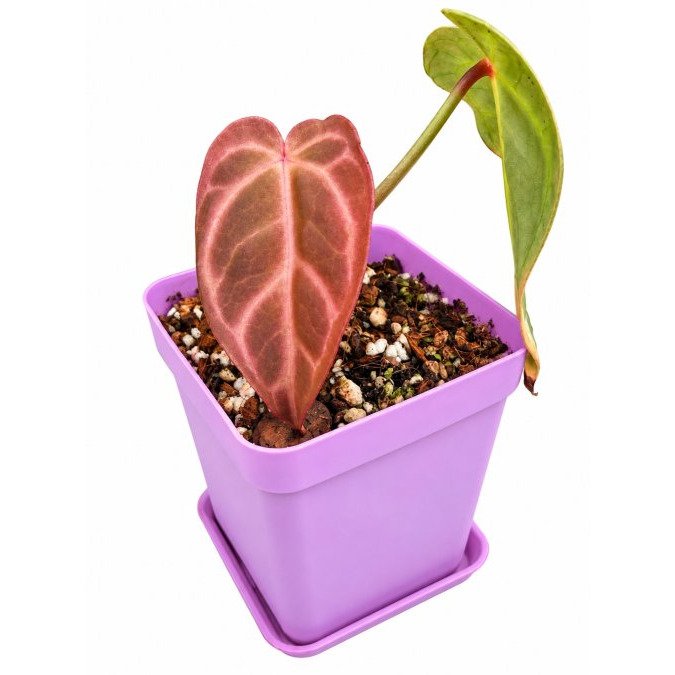
Our current range includes several examples of this. The Anthurium Papillilaminum 'MDB' × 'RA8' is a seed-grown cross built on pure Papillilaminum genetics, while the Anthurium Pap × Dress × Paramense - Established Rare Hybrid offers a more mature plant with long, textured foliage that shows what these crosses look like once they have settled in.


How to Identify a Papillilaminum Hybrid by Leaf and Growth
Identifying a hybrid is part observation, part patience. There is no single feature that gives the answer, so look at the plant as a whole. Start with the leaves, then move on to how the plant is growing.
Leaf shape, size, texture and veining
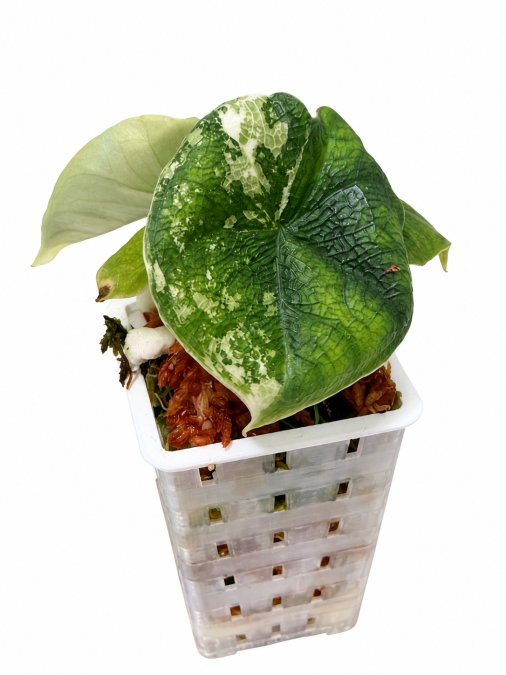
Look closely at the leaf surface. A velvety finish with fine, well-defined veins is a strong indicator of papillilaminum influence. Leaf shape is also useful: elongated, heart-shaped leaves are common in these crosses, although the exact proportions vary from plant to plant. Colour can shift with light and age, so a bronze undertone in a younger leaf may become more uniformly green as it matures.
Why seed-grown seedlings vary
Seed-grown plants are genetically individual, which is exactly why they are interesting to collect. Two seedlings from the same parentage may look quite different in their early leaves, and that difference can persist. Do not expect a young plant to show its full potential. Size, leaf proportions and surface texture all develop with maturity, and a plant that looks modest today may fill out considerably over time.
The table below sums up the main things to check when identifying a papillilaminum hybrid.
| Feature | What to look for | Why it matters |
|---|---|---|
| Leaf surface | Velvety finish | Strong sign of papillilaminum influence |
| Veining | Fine, well-defined veins | Helps confirm papillilaminum traits |
| Leaf shape | Elongated, heart-shaped | Common in these crosses |
| Colour | Bronze undertone when young | Can become more uniformly green with age |
| Seed-grown seedlings | Vary from one another | Each plant has its own character |
Caring for Papillilaminum Hybrids in Australian Conditions
Care for these hybrids is less about strict rules and more about reading your conditions, and in Australia that means reading your season and your climate zone as much as your plant.
Light. Bright, indirect light suits them well. Direct afternoon sun can scorch the leaves, so an east-facing window or a spot a little back from a north or west window often works best in most homes.
Temperature and humidity. These plants generally do well in warm, moderately humid conditions. These plants generally do well in warm conditions, and they slow down rather than thrive when temperatures stay cool for long stretches. In drier parts of Australia, or during the cooler, drier months when heaters run, a humidifier or a grouping of plants can help keep humidity steady.
Seasonal shifts to plan for. Changes in season affect these plants. Warm, still conditions can keep the mix wet for longer, so check the root zone more often, and growth tends to slow in cooler months, so reduce watering to match.
Watering. Watering is where most people go wrong. Water when the growing medium begins to dry, and avoid keeping the root zone constantly wet. Waterlogged roots are one of the fastest routes to rot. You can learn to tell healthy roots from rot and root-bound signs in our step-by-step root health guide.
Pot size and repotting. A common mistake is to repot too early or into a pot that is far too large. A slightly snug pot with a well-draining mix keeps moisture in check and helps the plant settle in. Repot when the plant is actively growing, and only step up one size at a time.
Anthurium Papillilaminum ‘MDB’ × ‘RA8’ →
Troubleshooting. Yellowing lower leaves with a soft, dark base usually point to too-wet roots, so check the mix and drainage before changing anything else. Crisp leaf edges in a dry indoor room often signal low humidity rather than underwatering.
If you are unsure which mix to use, our guide to the best soil mix for rare Anthurium covers the ingredients and proportions in more detail.
Light, Humidity and Growing Medium Basics
The growing medium should be chunky and free-draining. A standard potting mix will hold too much water around the roots. An aroid mix with bark, perlite or similar aeration components gives the roots room to breathe and reduces the risk of rot.
Light, humidity and medium work together. A well-aerated mix can tolerate a little more humidity than a dense one, and bright indirect light helps the plant dry out at a sensible rate. If your plant is struggling, look at all three before changing one thing at a time.
If you are unsure which mix to use, our guide to the best soil mix for rare Anthurium covers the ingredients and proportions in more detail.
Buying Rare Anthurium Plants Online Without Regret
Buying rare plants online carries real risks, and the best way to reduce them is to know what to look for before you pay. Start with the listing. A good listing states what you will receive, shows the exact plant, and is honest about size, condition and variation. Be cautious of photos that look too perfect or listings that do not mention whether a plant is seed-grown, established or a seedling.
Assess the plant, not just the photo. Look for a clear image of the whole plant rather than a single glamour leaf. Count the leaves and note whether the newest leaf is emerging, mature or damaged. Check the stem and the base of the plant for firmness, and ask for a photo of the root zone if it is not shown. A plant with a few healthy roots and a firm base is a better bet than one with many leaves but a soft or blackened stem. Remember that a hybrid name describes parentage, not a guarantee of a particular look, so judge the individual plant in front of you.
Know what stage you are buying. Seedlings, established plants and exact-plant listings behave differently. A seedling is cheaper to try but slower to show its character and more vulnerable to shipping stress. An established plant shows you the foliage and growth habit you are actually getting. Exact-plant listings remove the guesswork about variation, which matters with seed-grown hybrids where no two plants are identical.
Check dispatch and shipping details carefully. Interstate delivery in Australia involves biosecurity requirements. Read the shipping terms closely and ask the seller how the plant is packed and what happens if a parcel is delayed.
Plan for acclimation. A plant that has travelled in a dark box will need a short adjustment period. Expect some adjustment while it settles, and avoid repotting or feeding it straight away. Place it in its intended spot, keep watering modest, and give it a few weeks before judging it.
When you compare sellers, look for clear communication, transparent photos and realistic expectations about how a plant may develop. Our guide to trusted Australian online aroid nurseries can help you compare options.
Choosing Your First Papillilaminum Hybrid at Obsessed With Aroids
If you are starting out with these hybrids, pick a plant you can learn from. An established, well-rooted plant is often a better first purchase than a very small seedling, because you can see the foliage clearly and get a feel for how it responds to your conditions. Established plants also show you what an adult leaf looks like, which helps you judge the variation in later seedlings.
At Obsessed With Aroids, we aim to be honest about what each plant is and how it may develop. If you are looking for a first hybrid, start with the Anthurium Pap × Pap established plant, which shows velvety green foliage with bronze tones and new growth emerging. Whatever you choose, take time with the photos, read the care notes, and expect your plant to show its character over months rather than days.

Frequently Asked Questions
What is an Anthurium papillilaminum hybrid?
An Anthurium papillilaminum hybrid is a seed-grown plant created by crossing Anthurium papillilaminum with another Anthurium species or with another hybrid. Papillilaminum is valued for its velvety, dark green foliage and heart-shaped leaves. Hybrids combine these traits with those of the second parent, so leaf colour, texture and size can differ noticeably between plants. Because seedlings are individual, two plants from the same cross may look quite different as they mature.
How can you identify an Anthurium papillilaminum hybrid?
Start by checking the listed parentage, which should name the crosses involved. Look at the leaves for velvety texture, deep green tones, fine prominent veins and any bronze undertones. Mature leaf shape and size give useful clues, but young plants can look different from established ones. Compare the plant with the listing photos and ask the seller about the cross if the parentage is unclear.
Are Anthurium papillilaminum hybrids suitable for beginners?
Many Papillilaminum hybrids suit growers with some experience, as they prefer bright indirect light, warm temperatures and moderate to high humidity. They also need a chunky, well-draining aroid mix and a root zone that is not constantly wet. Beginners can succeed by watering only when the growing medium begins to dry and avoiding direct sun. An established plant with several leaves often settles in more easily than a very small seedling.
What should you check before buying a rare Anthurium?
Review every listing photo for current size, colour and condition, and confirm whether you will receive the exact plant pictured. Check the parentage, whether the plant is seed-grown, established or a juvenile, and what the packing and dispatch details are. Confirm the shipping states available to your address, as some states need extra biosecurity treatment and certification. Read the seller's notes on natural cosmetic marks and possible transit stress.