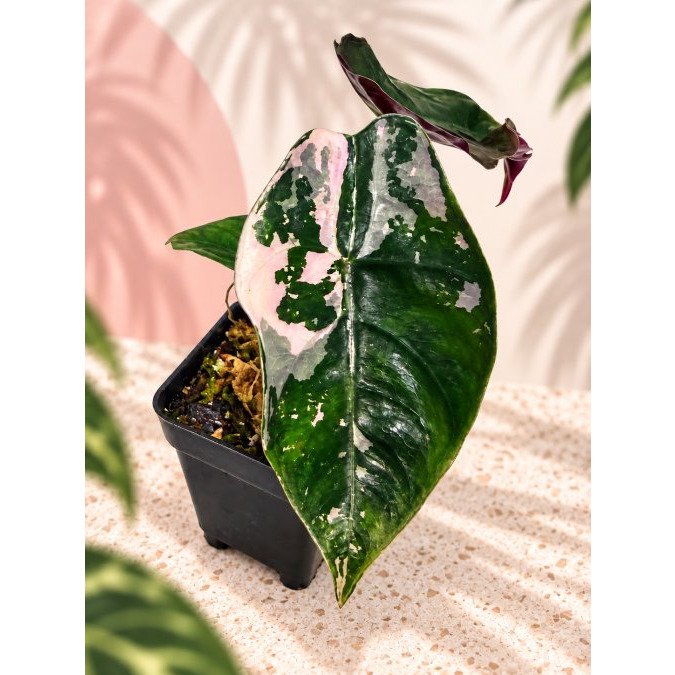
 Ultimate guide
Rare Aroids Price: Why Collector Alocasia Cost So Much
Quick Summary
Rare aroids are expensive mainly because few plants of a given form exist in cultivation, and they take a long time to reach a sellable size. The price reflects propagation labour, years of growing space, losses along the way, import costs, shipping and acclimation, and the seller's margin needed to keep propagating rare stock.
- Slow multipliers need more hands-on work and produce fewer sellable plants per effort.
- A plant that takes two or three years to reach sale size occupies space the whole time.
- Corm-grown plants usually cost more to produce than tissue-cultured plantlets.
- Variegated plants grow slowly and can revert to solid green, which lowers their value.
- Compare listings by size, leaf count, root health and propagation method, not by name.
Table of Contents
- What Makes an Aroid Rare in the First Place
- Why Propagation and Production Time Drive Up Costs
- Variegated Alocasia and the Price of Unusual Leaves
- Collector Demand, Scarcity and How Rare Plant Prices Move
- Rare Anthurium Australia: Hybrids and What Shapes Their Value
- How to Check Whether a Rare Aroid Is Worth the Price
- Choosing Your Next Rare Aroid at Obsessed With Aroids
- Frequently Asked Questions
What Makes an Aroid Rare in the First Place
Rarity in aroids is rarely about a plant being hard to find in the wild alone. Most collector prices reflect how few plants of a particular form exist in cultivation, how slowly they reach a sellable size, and how difficult they are to reproduce with the traits that make these rare aroids desirable.
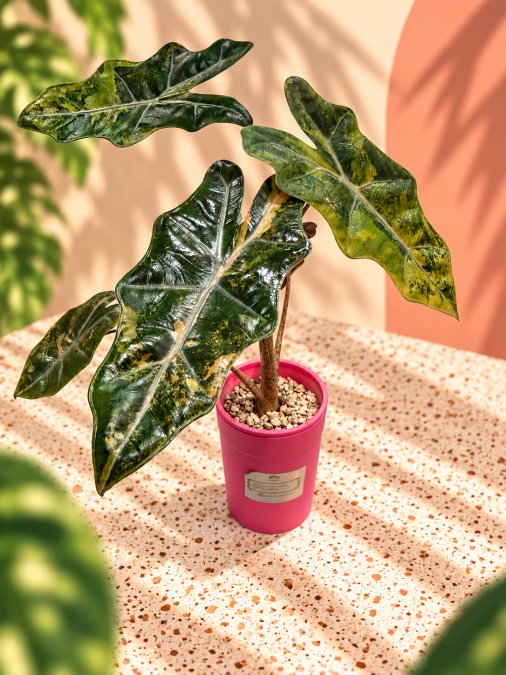
A species can be widely distributed in nature and still be scarce in trade if few growers can bring it on reliably. Leaf colour, pattern and form all matter here. A plant prized for an unusual leaf is only as valuable as the supply of plants that still show that leaf.
Why Propagation and Production Time Drive Up Costs
Time is the biggest hidden cost, but it is not the only one. A retail price for a rare aroid is really a stack of costs that have accumulated over months or years before the plant reaches you. Understanding that stack is the single best way to judge whether a price is reasonable.
Here is how the components usually break down, in rough order of impact:
- Propagation labour and skill. Raising a plant from a corm, offset or cutting takes hands-on work, sterilising, potting, monitoring humidity, repotting as the plant grows. Slow multipliers need more interventions per plant sold.
- Growing space and time. A plant that takes two or three years to reach a sellable size occupies bench or greenhouse space for that entire period. Space is finite, so every slow plant displaces faster-turnover stock.
- Losses and attrition. Not every propagation succeeds. Corm rots, cuttings fail to strike, and variegated plantlets revert or die. The plants that do survive have to carry the cost of the ones that didn't.
- Import and quarantine costs. Many collector aroids enter the country as licensed imports, which involves permits, inspection and holding time. Those costs are real and are recovered across the batch.
- Shipping and acclimation. A plant that has travelled needs time to settle before it is safe to sell. That acclimation period is more time and space the grower cannot bill for.
- Seller margin. A sustainable margin is what allows a nursery to keep propagating rare stock rather than switching to cheaper, faster lines.
Propagation speed varies widely between species. Some aroids produce offsets or cuttings readily, while others multiply slowly, so their supply stays tight even when demand climbs. A slow multiplier with high losses can justify a much higher price than a fast one, even if both look similar on a listing.
Corm-Grown Alocasia Versus Tissue Culture
Tissue culture produces large numbers of genetically identical plantlets in a lab, which is why it often appears in lower-priced listings. Corm-grown plants are raised from a mother corm, which is slower and yields fewer plants but keeps the grower closer to the original plant's health and vigour.
Corm-grown stock is not automatically better, and tissue-cultured plants can be a sensible choice for some buyers. The practical difference is that corm-grown plants usually cost more to produce, and that cost is one reason they command higher prices. Ask any seller how a plant was propagated before you buy.
Watch out: some listings blur the line by calling a lab-produced plant "corm-grown" because it was eventually potted from a corm. If the history is unclear, ask directly whether the plant originated from tissue culture or from a mother corm.
The article breaks the price of a rare aroid into several cost components, which are summarised below.
| Cost component | What drives it | Why it raises the price |
|---|---|---|
| Propagation labour and skill | Sterilising, potting, humidity and repotting | Slow multipliers need more interventions per plant sold |
| Growing space and time | Two to three years to a sellable size | Slow plants displace faster-turnover stock |
| Losses and attrition | Corm rot, failed cuttings, reversion | Survivors carry the cost of the failures |
| Import and quarantine | Permits, inspection and holding time | Recovered across the batch |
| Shipping and acclimation | Settling period before sale | Time and space the grower cannot bill for |
| Seller margin | Sustainable profit | Keeps nurseries propagating rare stock |
Variegated Alocasia and the Price of Unusual Leaves
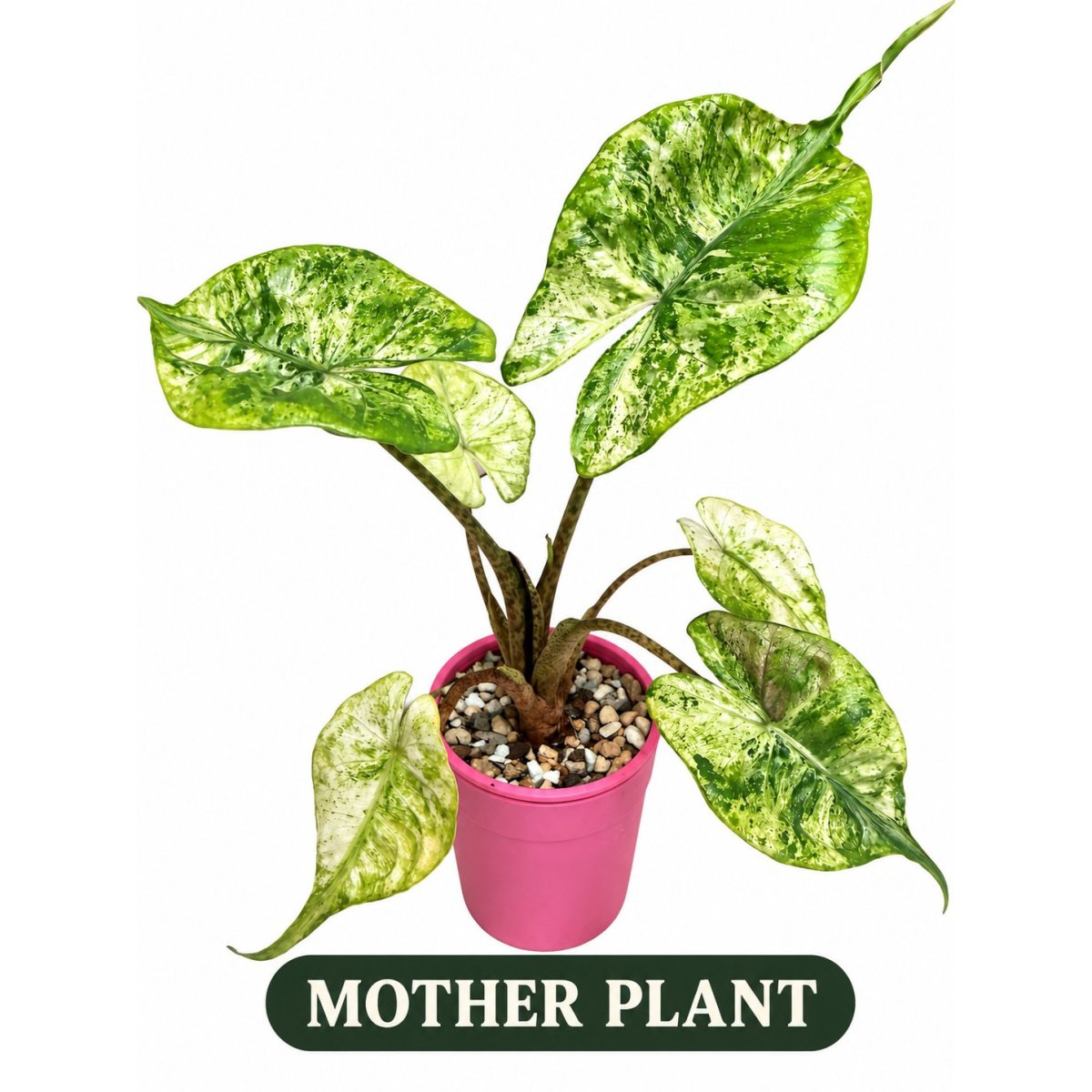
Variegation is a major price driver, and it is also a source of risk. If you are wondering specifically why variegated Alocasia are so expensive, the reasons come down to slow growth and unstable leaf patterns. Variegated leaves contain less chlorophyll, so the plant grows more slowly and each new leaf is a gamble on whether the pattern holds. Plants can also revert to solid green, which lowers their value sharply.
Golden and aurea forms carry this uncertainty. Variegation is naturally unpredictable, so a good seller should be clear that future leaves may differ from the ones pictured. Judge a variegated plant on its current leaves and its record of stability, not on the promise of perfect future patterns.
Collector Demand, Scarcity and How Rare Plant Prices Move
Collector demand pushes prices up quickly when a plant becomes fashionable, and scarcity keeps them high once the hype settles. Prices can also fall when more growers bring a plant into production or when collector interest moves on. The price of a rare aroid is therefore a snapshot of current supply against current demand, not a fixed measure of worth.
For Australian buyers, the market also depends on how plants can legally and safely move between states. You can compare where to find rare collector aroids for sale in Australia in our guide to local sellers. Interstate movement involves biosecurity requirements, and those can affect which sellers can supply you and how long a plant takes to arrive.
Rare Anthurium Australia: Hybrids and What Shapes Their Value
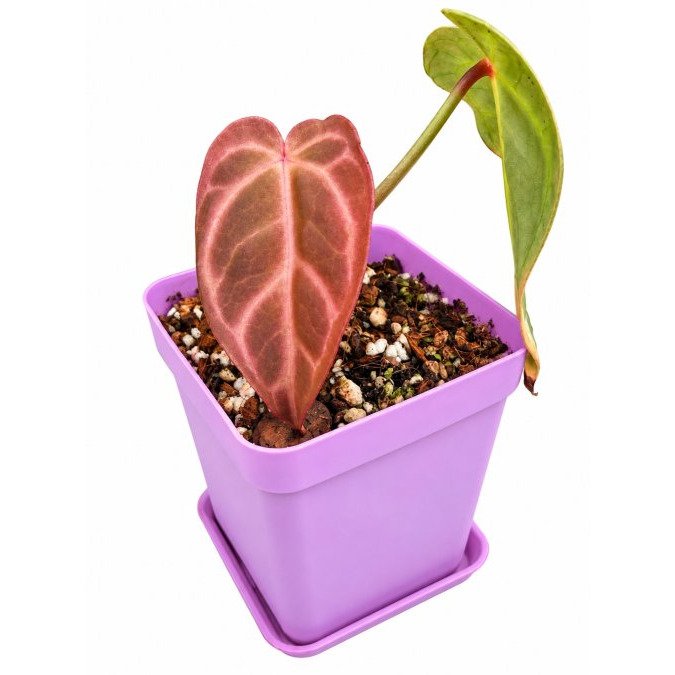
Rare Anthurium hybrids follow similar logic. A striking cross with distinctive colouring or venation can be expensive because only a few mature plants of that cross exist. Our buyer's guide to Anthurium warocqueanum weighs whether a plant like this is worth its cost. Hybrid names can also be a shorthand that breeders use, so it helps to read the original grower label carefully.
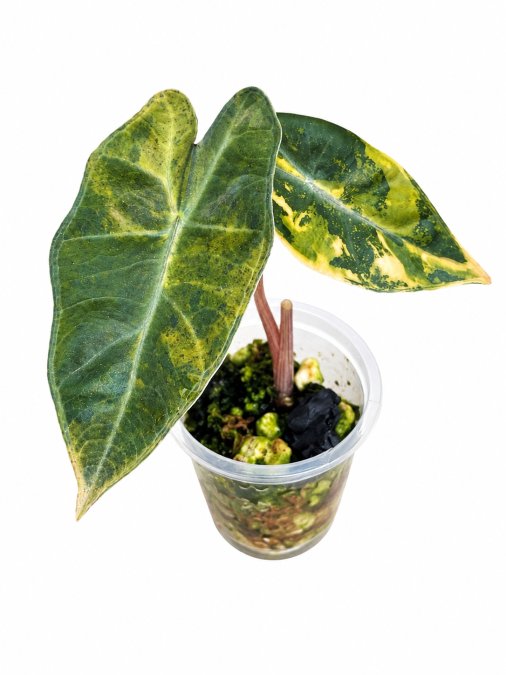
Our Anthurium 'Sombre' Black Venom × Pap is a mature, well-rooted plant with large elongated foliage and active new growth. Compare the listed size and condition with the price rather than the name alone.
How to Check Whether a Rare Aroid Is Worth the Price
A fair price is one where the plant's current condition, maturity and propagation method justify the cost. The trick is to compare like with like rather than judging a listing in isolation. Use this framework before you pay.
1. Compare by size and leaf count, not by name. Two plants of the same species can differ enormously in value depending on how many leaves they carry and how mature the corm or root system is. A single-leaf division and a multi-leaf specimen are not the same product. Note the listed size and leaf count, then compare against other listings of the same species at similar maturity.
2. Check root health and establishment. A well-rooted plant acclimates faster and is less likely to sulk after shipping. A plant with active new growth is usually a safer buy than one that is merely surviving.
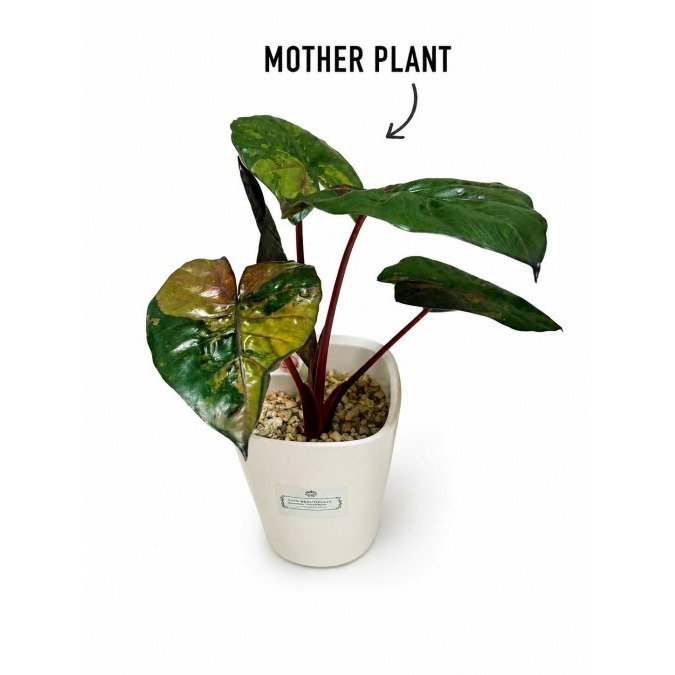
3. Confirm provenance and propagation method. Is it corm-grown, offset-grown or tissue culture? Provenance matters for variegated plants in particular, because a stable pattern from a known mother plant is worth more than an unknown origin.
4. Assess variegation stability honestly. For variegated plants, look at whether the pattern on current leaves is consistent and whether the seller has been upfront about possible reversion. Judge the plant on its current leaves and its record, not on the promise of perfect future patterns.
5. Read the listing for honesty. Does it show the exact plant you will receive, with flaws described? Vague listings that use stock photos for a "similar plant" are a warning sign when you are paying collector prices.
6. Understand shipping and arrival terms. What happens if the plant arrives damaged, and within what time frame must you report it? Check how the seller packs and whether they account for heat or cold in transit, which matters in Australian conditions.
7. Weigh current availability. Scarcity is real, but it is also temporary. If several sellers have the same plant in similar condition, the price should reflect that competition. If only one seller has it, ask whether the premium is justified by the plant's quality or simply by rarity.
A simple way to apply this is to build a short comparison note for any plant you are considering: species, size, leaf count, propagation method, root health, variegation notes, and the seller's arrival terms. When you line up two or three listings that way, an inflated price usually stands out quickly.
Watch out: a high price does not guarantee a healthy plant, and a low price on a rare aroid often signals tissue culture, a recent import, or an unstable variegation. Neither end of the range is automatically the right buy, the framework above is what tells you which is which.
Choosing Your Next Rare Aroid at Obsessed With Aroids
We aim for honest descriptions of each plant's size, condition and any cosmetic marks. Our variegated and corm-grown Alocasia and mature Anthurium hybrids are examples of the kind of plant this guide describes, and each listing states what is included. See a current example in Alocasia Pseudosanderiana Aurea variegated corm-grown plant.
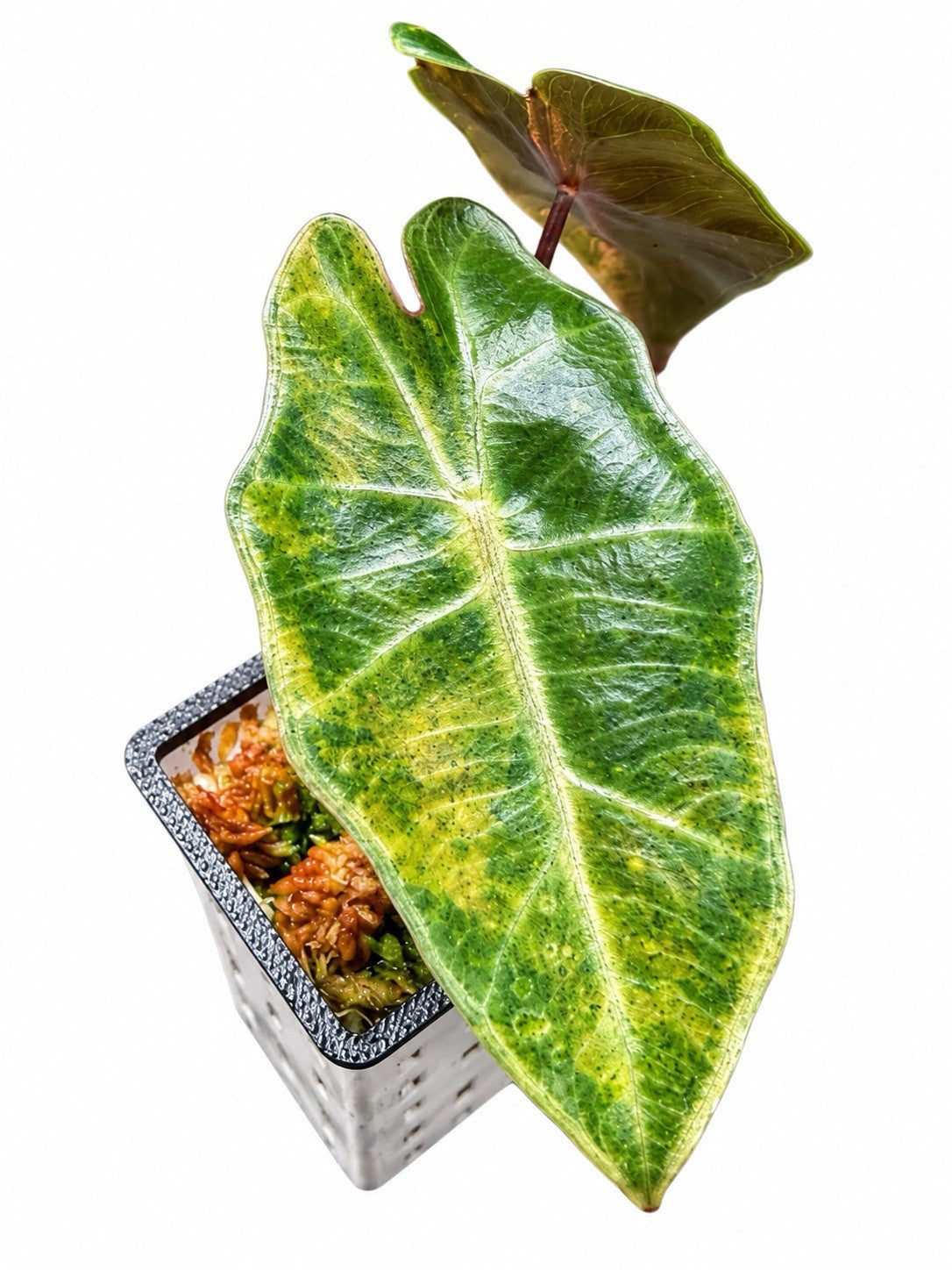
If you are new to rare aroids, start with a plant whose condition and history you can verify, and build your collection from there. Browse the current range at Obsessed With Aroids and compare the listings using the checklist above.
Frequently Asked Questions
Why are rare aroids so expensive?
Rare aroids cost more because they grow slowly, take a long time to reach a saleable size and are often difficult to propagate. Each new plant represents months or years of care, and the number of healthy, mature specimens is limited. When collector demand is high and supply stays small, prices rise. Variegation, unusual leaf shapes and specific hybrid parentage add further value.
Are corm-grown aroids cheaper than mature plants?
Not always. Corm-grown plants are typically smaller and younger, so their upfront price can be lower than a mature, established specimen. However, a corm-grown plant is grown from a corm rather than tissue culture, which takes skill and patience. At Obsessed With Aroids, our corm-grown Alocasia are offered as corm-grown plants, not tissue culture. Compare the size, root health and variegation in the listing photos rather than price alone, since a smaller plant may take years to reach the same look.
Do rare plant prices go down over time?
Prices can fall when supply increases, when collector hype cools or when more propagation becomes possible. They can also rise when a plant is hard to produce or demand spikes. Because rare aroid markets move with collector interest, prices are rarely fixed. Before buying, look at what similar plants are selling for right now, check the size and condition, and think about whether the plant suits you for the long term rather than hoping for resale value.
What should I check before buying a rare aroid online?
Start by reading the listing carefully, including the propagation method, plant size, root condition and any notes about variegation stability. Check the photos for the exact plant you will receive. Confirm the seller's shipping and biosecurity arrangements for your state, and whether a plant arrival policy applies. Ask questions before you order if anything is unclear. Taking these steps helps you avoid disappointment and makes sure the price reflects a plant you actually want.