 listicle
Best Online Aroid Nurseries in Australia
Table of Contents
- What Makes a Quality Online Aroid Nursery
- How to Buy Rare Plants Online Safely
- Online Plant Nursery Reviews: What Collectors Actually Look For
- Alocasia for Sale Australia: Finding Quality Specimens
- Rare Anthurium Australia: Collector Hybrids and Species
- What to Expect When Ordering From Online Aroid Nurseries
- Frequently Asked Questions
Last Updated: October 12, 2026
What Makes a Quality Online Aroid Nursery
When you're hunting for rare Alocasia and Anthurium, not all online nurseries are equal. The difference between a collector-run operation and a mass-production facility shows up in plant health, honesty about what you're buying, and how your specimen arrives.
At Obsessed With Aroids, we've built our reputation on exactly this: corm-grown plants, transparent listings, and shipping that protects delicate aroids in transit. But what should you look for when evaluating any online aroid nursery?
Corm-Grown vs Tissue Culture: Understanding the Difference
Corm-grown plants develop from a solid underground stem base, giving natural vigour and genetic stability. Tissue culture plants are cloned from tiny plant cells in a laboratory, producing identical specimens quickly and cheaply.
The practical difference matters. Corm-grown plants establish faster, develop stronger root systems, and hold variegation more reliably.
A quality nursery will be explicit about propagation method. If they don't mention it, ask. Honest sellers have nothing to hide.
Exact Plant Listings and Transparency
The best online aroid nurseries photograph and describe the exact plant you'll receive. Not a representative sample. The actual specimen.
Variegation patterns, leaf size and growth stage vary dramatically between individual plants.
Watch for nurseries that dodge specifics: vague descriptions, generic photos, or "your plant may vary." These red flags suggest mass production rather than curation, or unwillingness to stand behind individual specimens.
How to Buy Rare Plants Online Safely
Interstate plant shipping in Australia involves biosecurity rules that vary by state and territory. A reliable online aroid nursery handles this complexity, but understanding the basics protects you.
Checking Biosecurity Requirements Before Purchase
Each state and territory restricts plant movements differently.
Reputable nurseries are ICA accredited (Interstate Certification Assurance) or work with accredited services, so they can legally prepare plants for interstate movement.
Before ordering, check your state's biosecurity website or ask the nursery directly. A good nursery answers without hesitation; if they brush it off, find someone else.
Evaluating Shipping Methods and Plant Packaging
How a plant is packed decides whether it arrives thriving or stressed.
Quality nurseries ship aroids bare-root in sphagnum moss, keeping roots hydrated without waterlogging. Plants are secured to minimise movement and foliage damage, with insulation to buffer temperature swings.
Shipping schedules matter too.
Ask about their shipping process: how they pack, when they post, and their track record with arrivals. A confident nursery answers with specifics.
Online Plant Nursery Reviews: What Collectors Actually Look For
Most aroid nursery round-ups tell you to "check the reviews" and leave it there, not much help when you're about to spend serious money on a rare Alocasia or Anthurium. Collectors evaluate nurseries differently, and the signals that matter are specific.
Here's how I'd actually vet an online aroid nursery before ordering.
A Simple Selection Checklist
When I'm comparing stores, I run through the same short list every time:
- Exact-plant listings. Does the listing show the actual specimen, or a stock photo? For variegated plants, this is non-negotiable.
- Propagation method stated. Corm-grown, seed-grown, or tissue culture, the listing should say which, and explain it accurately.
- Biosecurity posture. Are they ICA accredited, or do they work with an accredited service for interstate movement?
- Dispatch days. Do they post on set days to avoid weekend sorting delays?
- Packaging description. Bare-root in sphagnum, secured foliage, insulated where needed.
- After-sales contact. A real channel for care questions and arrival issues, not just a checkout page.
- Review pattern. Multiple detailed reviews across time, not one glowing quote.
If a store can't answer most of these on its own pages, that's a signal.
Reading Reviews Like a Collector
A single five-star review tells you almost nothing. What matters is the pattern: do reviewers mention condition on arrival, photo accuracy, responsiveness, and whether the plant established well weeks later?
Collectors are exacting. A run of detailed feedback, including how plants handled interstate transit, is meaningful evidence. Vague praise ("great seller!") is noise.
One customer of ours put it this way: "Plant arrived perfectly packaged as described and super quickly!
Dated Stock Checks and Independent Verification
Stock at specialist aroid nurseries moves fast, and rare plants sell out within days, so a review from six months ago may describe a range that no longer exists. Check current listings yourself and note the date.
I'd also suggest asking the nursery directly for a photo of the specific plant on the day you buy, especially for anything variegated. A responsive seller will send one. Silence is your answer.
Alocasia for Sale Australia: Finding Quality Specimens
Alocasia collectors have specific needs. You're not just buying a houseplant; you're acquiring a specimen with genetic potential and long-term collector value.
Quality Alocasia specimens should arrive established and rooted, with visible new growth and clear photos showing leaf texture, variegation and overall health.
Variegated Alocasia and Aurea Varieties
Variegated Alocasia command premium prices because variegation is unstable. Each new leaf may differ, and some may revert to solid green. This is genetic reality, not a defect.
A quality nursery acknowledges this upfront, won't promise permanent variegation, and shows the current plant's variegation clearly while explaining future leaves may differ.
Aurea varieties (yellow-gold variegation) are particularly sought after.
Anthurium NOID Hybrid – Established Plant →
Corm-Grown Alocasia: Why It Matters to Collectors
Corm-grown Alocasia develop stronger root systems and hold variegation more stably than tissue culture alternatives. For collectors investing in rare varieties, that difference justifies the higher cost.
When evaluating a corm-grown Alocasia, look for healthy roots, active new growth and multiple established leaves. The plant should feel substantial and well-rooted, not delicate or struggling.
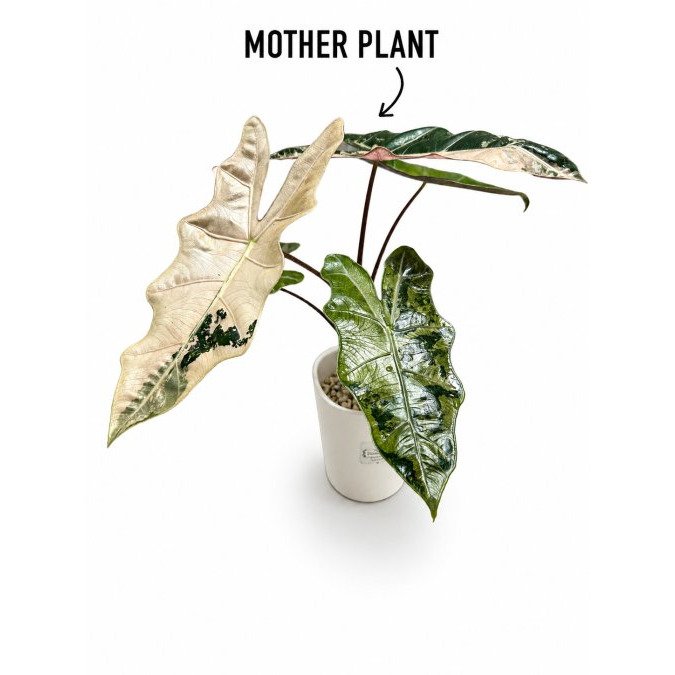
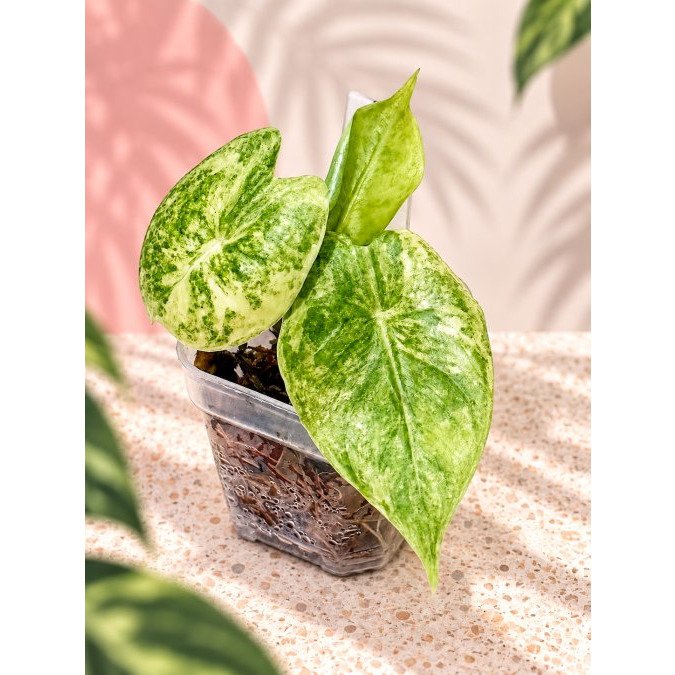
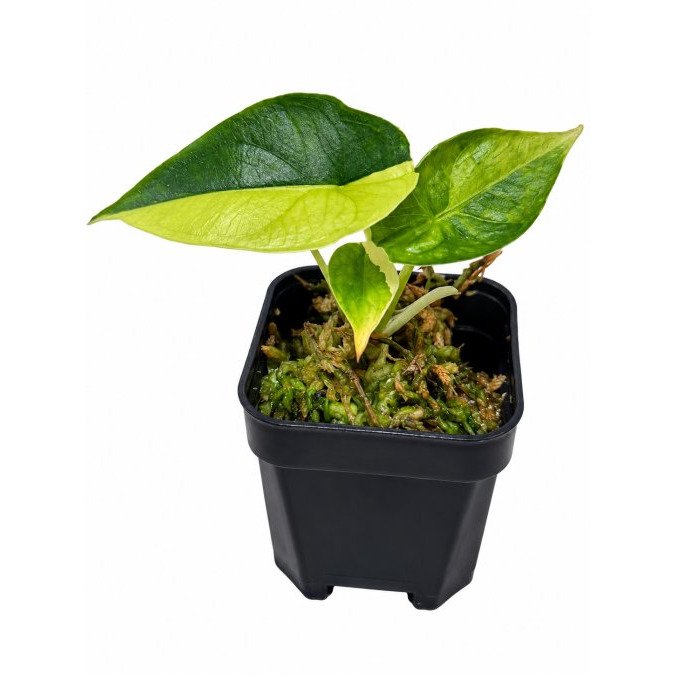
An Alocasia Pseudosanderiana Aurea, corm-grown with promising aurea variegation on its second leaf, is the kind of specimen that rewards patient collectors, established enough to thrive, young enough to watch mature over months and years.

Rare Anthurium Australia: Collector Hybrids and Species
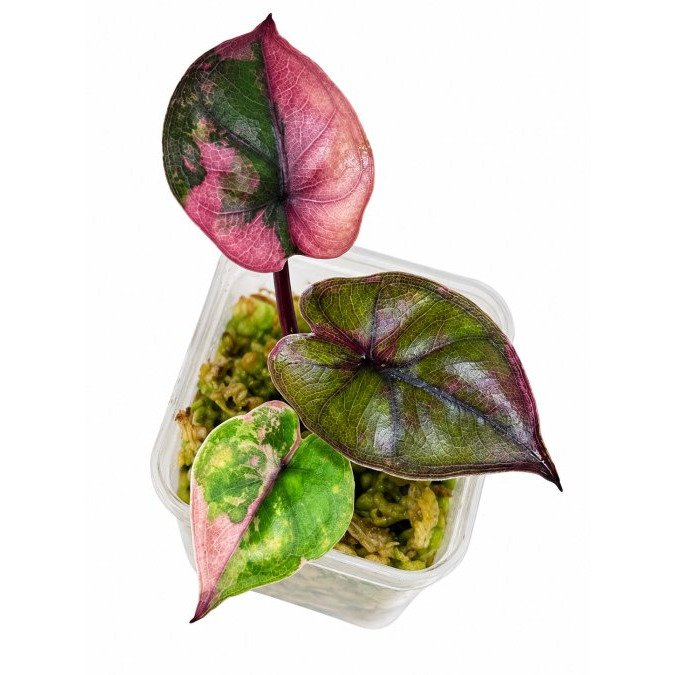
Anthurium collectors pursue two paths: rare species with unusual foliage, and hybrid crosses combining desirable genetics from multiple parents.
Quality online nurseries stock both. Species like Anthurium dolichostachyum offer elongated, elegant foliage, while hybrids combine velvet texture, striking veining and exotic colouring from multiple rare species.
Velvet Anthuriums and Unusual Species
Velvet Anthuriums are the most sought-after category. Genetics from species like Papillilaminum, Warocqueanum and Forgetii create the deep green, soft texture and prominent veining collectors love.
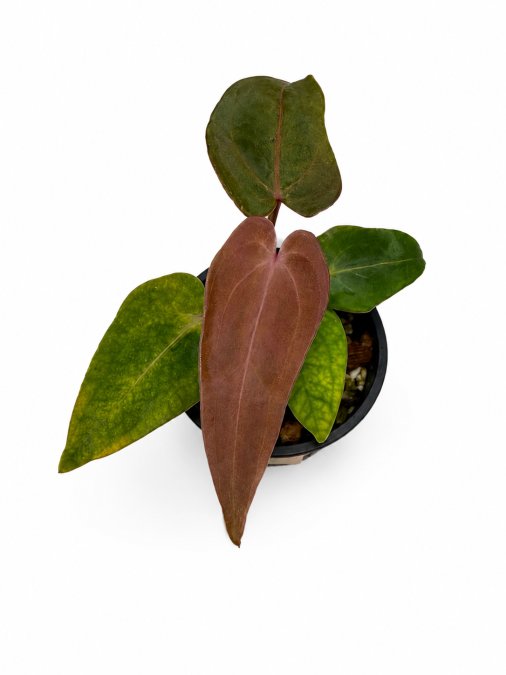
Rare species like Anthurium dolichostachyum offer something different: elongated foliage with a heart-shaped base that develops bronze tones before hardening to mature green, for collectors who value botanical diversity over the velvet-leaf trend.
A quality nursery stocks both categories, understands collectors have varied interests and budgets, and describes each plant's genetics clearly.
Seed-Grown and Hybrid Genetics
Seed-grown plants are genetically unique. No two are identical. This makes each specimen genuinely one-of-a-kind, valuable to collectors who appreciate natural variation.
Hybrid crosses combining multiple rare species create exciting genetic combinations.
Quality nurseries list parentage clearly so you know exactly what genetics you're acquiring, transparency that helps you decide which plants fit your collection.
What to Expect When Ordering From Online Aroid Nurseries
Ordering rare plants online involves some uncertainty, especially across state lines. Knowing what's normal, what's a red flag, and what's simply the reality of live-plant shipping makes it smoother.
Dispatch Timing and Transit Realities
Most specialist aroid nurseries post on set days, commonly early in the week, so plants don't sit in sorting facilities over weekends.
Ask before you buy:
- Which days do you dispatch?
- Do you use express or standard post?
- How do you handle heatwaves or cold snaps in transit?
A nursery that can answer these with specifics is one that's thought about the journey, not just the sale.
Biosecurity and Interstate Movement
Plant movements between states and territories are regulated, and requirements vary. Some plants need treatment before crossing a border; some can't be shipped to certain regions at all.
Before ordering, check your state or territory's biosecurity information or ask the nursery directly. A good seller answers without hesitation; if they brush it off, that's a red flag.
Ordering a plant that can't legally be shipped to your state wastes money and creates legal risk for both you and the nursery. Always confirm before clicking buy.
What Arrives, and What's Normal
Expect your plant to arrive bare-root or lightly packed in sphagnum moss, normal and protective, keeping roots hydrated without waterlogging during transit.
The plant may look stressed on arrival. Older leaves may yellow and foliage may show minor cosmetic damage, normal with live plants, and they recover as new growth hardens off.
What's not normal: a plant mushy at the base, with no viable roots, or clearly a different specimen to the one photographed.
Establishment in Australian Conditions
Once your plant is home, give it the conditions aroids actually want:
- Light: bright, indirect. A shaded east-facing spot or filtered light under a patio works well in most Australian climates.
- Temperature: warm, ideally 18-25°C. Keep plants away from air-conditioning vents and cold windows in winter.
- Humidity: moderate to high. A grouped plant shelf, a pebble tray, or a small humidifier all help.
- Substrate: chunky, well-draining mix that dries slightly between waterings. Aroids hate sitting wet.
- Feeding: a specialist aroid fertiliser during active growth supports establishment. We stock GT Foliage Focus for exactly this.
New growth should emerge if conditions are right.
After-Sales Support
The best online aroid nurseries don't disappear after you buy. They answer questions about care and establishment, and address genuine problems like damage beyond normal shipping wear or a plant significantly different from its listing.
Know the policy before you buy. Ask what happens if a plant arrives damaged, and how they handle it. A nursery confident in its packing and dispatch will answer clearly.
Frequently Asked Questions
How do I know if an online aroid nursery sells corm-grown plants instead of tissue culture?
Corm-grown plants are propagated from the parent plant's corm and develop their own root systems naturally, whereas tissue culture plants are lab-propagated from small tissue samples. Look for nurseries that explicitly state 'corm-grown' or 'corm-propagated' in their listings. Quality online aroid nurseries will be transparent about propagation methods and often explain the difference on their site. Corm-grown plants typically show more genetic stability and variegation consistency than tissue-cultured alternatives.
What should I check before buying rare plants online to avoid disappointment?
Before purchasing, verify the exact plant pictured is the one you'll receive (not just a stock photo), check the plant's current size and condition in the photos, read the shipping information carefully, and confirm your state's biosecurity requirements. Look for nurseries that clearly describe plant health, number of leaves, and any active growth. Review customer feedback about plant arrival condition. Reputable online plant nursery reviews highlight nurseries that communicate well before dispatch and pack plants securely.
Why is ICA accreditation important when buying rare Anthurium Australia online?
ICA (Interstate Certification Assurance) accreditation means the nursery is approved to prepare and certify plants for interstate movement in accordance with your state's biosecurity requirements. This accreditation simplifies the buying process significantly, you don't have to arrange separate quarantine services or permits. When shopping for rare Anthurium Australia online, prioritise nurseries with ICA accreditation to ensure smooth, legal delivery to your address without additional compliance headaches.
How can I care for a rare aroid after it arrives from an online nursery?
When your rare plant arrives, allow it 1-2 weeks to acclimate before making any changes to its environment. Provide bright indirect light, warm temperatures, and moderate to high humidity. Water when the top layer of soil feels dry, using a chunky, well-draining aroid mix. Avoid fertilising immediately; wait until you see new growth. Many online aroid nurseries provide care guides specific to your plant's variety. Support new growth with a balanced fertiliser like GT Foliage Focus once the plant is established.