 blog
blog
Is Anthurium Warocqueanum Worth the Cost? A Buyer's Guide
Table of Contents
- What Drives the Cost of Anthurium Warocqueanum?
- Price by Plant Size and Maturity: What You're Actually Paying For
- Anthurium Warocqueanum Care: What It Demands From You
- Anthurium Warocqueanum Growth Rate: Patience Is Part of the Price
- Is Anthurium Warocqueanum for Beginners? Honest Failure Risk
- Total Cost of Ownership: Beyond the Sale Price
- Comparable Alternatives and Long-Term Value
- What to Check Before Buying: Authenticity and Shipping Safeguards
- Frequently Asked Questions
Last Updated: October 10, 2026
What Drives the Cost of Anthurium Warocqueanum?
Ask any collector whether Anthurium Warocqueanum is worth the cost and you'll get a different answer depending on who you ask. At Obsessed With Aroids, the honest answer comes down to three things: scarcity, growth speed, and how the plant was propagated. The Queen Anthurium is one of the most sought-after collector plants in the world, and its price reflects that demand.
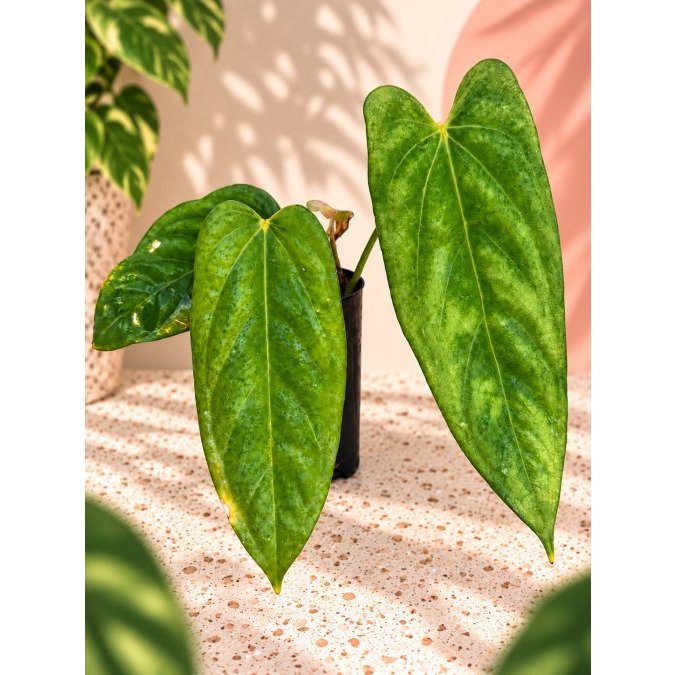
Anthurium Warocqueanum is a rare velvet-leaved Anthurium prized for its long, pendulous leaves, and its price is driven by slow growth, limited availability, and propagation method.
Rarity, Slow Growth, and Market Availability
Rarity alone doesn't make a plant expensive. Availability does. A plant that's rare in the wild but freely propagated in nurseries stays affordable. The Queen Anthurium sits somewhere in between: genuinely hard to source as a mature specimen, yet increasingly available as smaller plants.
Market availability shifts constantly. When imports slow down or a growing season is poor, prices firm up. When local growers flood the market with young plants, prices soften. That's why the same species can feel affordable one year and out of reach the next.
Tissue Culture vs Corm-Grown: Why It Matters for Value
This is where a lot of buyers get confused, so let's be clear. Tissue culture plants are cloned in a lab from a small piece of tissue, producing large numbers of genetically identical plants quickly. Corm-grown plants are grown on from a corm or offset, the way the plant naturally reproduces.
Neither is "bad," but they're different products. Tissue culture plants can be cheaper and more plentiful. Corm-grown plants tend to carry more character, and collectors often prefer them for that reason. At Obsessed With Aroids, we specialise in corm-grown plants, and we're upfront about it in every listing.
Price by Plant Size and Maturity: What You're Actually Paying For
You're not paying for a species name. You're paying for size, age, and the risk the grower has already absorbed. A seedling that might not survive its first winter is a very different purchase from an established plant with a healthy root system.
A Practical Size and Maturity Guide
When you compare listings, it helps to sort them into rough tiers. These aren't official categories, just a practical way to judge what you're looking at:
- Seedling or small offset: one or two juvenile leaves, often under 15 cm, roots still forming. Cheapest to buy, highest risk. Expect to wait a year or more before it looks like the plant in the photos you admired.
- Established juvenile: three to five leaves, 20-40 cm, growing in a stable mix with a visible root system. The sweet spot for most collectors, past the fragile stage, still affordable.
- Mature specimen: six or more long leaves, often 60 cm or more, with a thick, well-developed root ball and a history of pushing new growth. This is what commands the top of the market, and rightly so, years of careful growing are baked into the price.
A plant with two long, leathery leaves and a strong root ball is worth more than a five-leaf plant with a weak, airy root system. Size photos can mislead, so ask for current measurements.
Leaf Count, Root Health, and Establishment
When you compare listings, look past the photo and check these:
- Leaf count and length: more leaves usually means an older, more settled plant
- Root health: firm, pale, actively growing roots signal a plant that will transplant well
- Establishment: a plant already growing in a stable mix is worth more than a freshly divided offset
- Leaf appearance: velvety foliage and prominent veining are markers of a well-grown specimen
Anthurium Warocqueanum Care: What It Demands From You
Anthurium Warocqueanum care is not difficult, but it is specific. This is a plant that tells you quickly when conditions are wrong, usually through crisped leaf edges. Get the basics right and it rewards you with some of the most dramatic foliage in the aroid world.
Humidity, Warmth, and Light Requirements
The Queen Anthurium wants warm conditions and high humidity. In most Australian homes, that means a humidity tray, a grouped plant shelf, or a small humidifier rather than a dry, air-conditioned room. Bright indirect light suits it best; harsh direct sun will scorch those long leaves.
If your space stays dim through winter, a grow light helps. Position it so the plant gets steady, gentle light rather than a concentrated beam.
Substrate, Airy Roots, and Watering
Roots need air as much as moisture. A chunky, airy mix of bark, perlite, and a little sphagnum keeps roots happy without waterlogging them.
Water when the top of the mix starts to dry, not on a fixed schedule. In cooler months, ease off. Overwatering is the most common way collectors lose this plant.
Anthurium Warocqueanum Growth Rate: Patience Is Part of the Price
Anthurium Warocqueanum growth rate is slow, and that's the core reason it costs what it does. A grower waits months, sometimes longer, for a plant to reach a size worth selling. You're paying for that time.
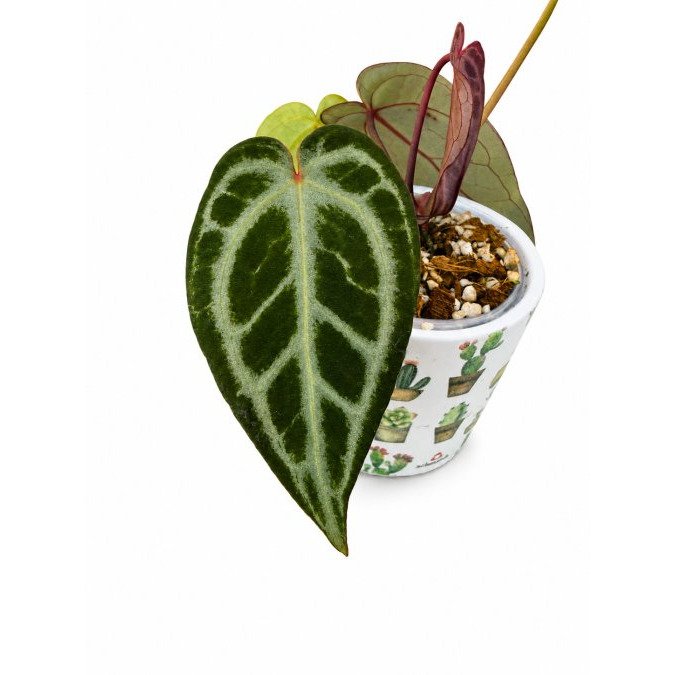
Anthurium (Cryst × Lux × Pap) × (Warocqueanum × Forgetii) | Rare Hybrid | Exact →
A new leaf every few months is normal for a settled plant. Faster growth usually points to ideal warmth, humidity, and light all lining up at once. If you want a plant that fills a space quickly, this isn't it. If you enjoy watching a specimen mature leaf by leaf, the slow pace is part of the appeal.
Is Anthurium Warocqueanum for Beginners? Honest Failure Risk
For beginners, this plant carries real failure risk. It's not the hardest aroid to grow, but it's unforgiving of dry air and inconsistent watering, and those are exactly the conditions most new collectors start with.
That doesn't mean you should avoid it. It means you should buy with clear eyes. If you're new to aroids, start with a hardier species to build your confidence and your setup, then step up. If you do want to begin here, buy the healthiest established plant you can find rather than the cheapest seedling. A strong start is cheaper than replacing a plant you lost.
Total Cost of Ownership: Beyond the Sale Price
The purchase price is only the first cost. Add the ongoing ones:
- Humidity control: a humidifier or a dedicated shelf setup
- Lighting: a grow light if your space is dim
- Substrate and nutrients: quality mix and specialist feed, such as the GT Growth Technology nutrients we stock
- Replacement risk: the cost of a plant that doesn't settle
Add those up and a cheaper plant that struggles can cost more than a healthy one that thrives. That's the total cost of ownership, and it's the number most buyers forget.
Comparable Alternatives and Long-Term Value
If the Queen Anthurium feels like a stretch, look at comparable alternatives before you decide. The goal isn't to talk you out of it, it's to make sure you're choosing the right plant for your conditions and your budget.
Alternatives Worth Considering
- Anthurium magnificum: large, textured foliage with more forgiving care. It won't give you the same dramatic pendulous leaf length, but it's a robust, rewarding plant for collectors who want big leaves without the humidity fussiness.
- Anthurium crystallinum and its hybrids: velvety leaves and strong veining, generally easier to grow and more widely available. A good stepping stone if you're building confidence with velvet anthuriums.
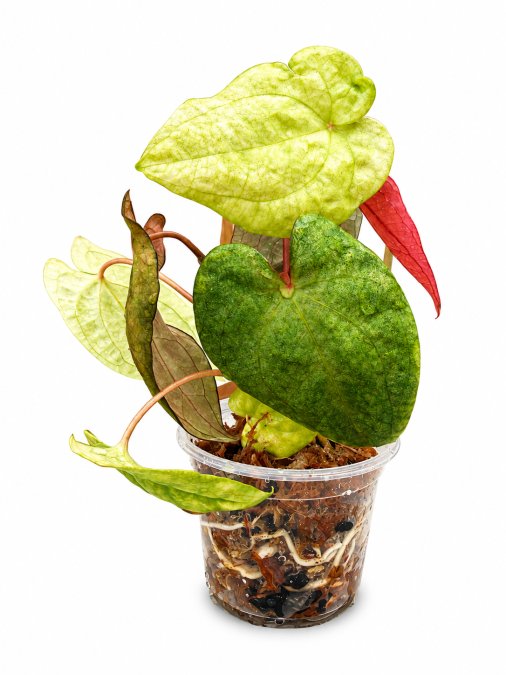
- Warocqueanum hybrids: crosses that carry Warocqueanum genetics can give you similar long, velvet leaves with a bit more vigour. Traits vary as the plant matures, so buy from a seller who shows you the actual plant. We list a range of these, including a Anthurium (Cryst × Lux × Pap) × (Warocqueanum × Forgetii) hybrid and a Anthurium (Lux × Pap × Cryst) × (Pap × Warocqueanum × Forgetii) hybrid, both established and rooted.
| If you want... | Consider | Trade-off |
|---|---|---|
| The classic collector specimen | Anthurium Warocqueanum | Slow growth, fussy humidity needs |
| Big textured leaves, easier care | Anthurium magnificum | Less dramatic leaf length |
| Velvet leaves, easier start | Anthurium crystallinum | Smaller mature size |
| Warocqueanum looks with more vigour | Warocqueanum hybrids | Traits vary as the plant matures |
Long-Term Value and Resale Risk
Be realistic about what you're buying. Rare aroid prices are driven by supply, and supply changes. Tissue culture can flood the market with genetically identical plants, which tends to soften prices for common varieties over time. Import restrictions and local growing success also shift what's available.


That doesn't mean values always fall, genuinely slow-growing, well-established specimens can hold their appeal because they take years to produce. But buying a rare plant as an investment is risky. Buy the plant because you want to grow it, enjoy it, and learn from it. If it happens to hold value or you propagate it later, that's a bonus, not a plan.
What to Check Before Buying: Authenticity and Shipping Safeguards
Before you buy, confirm three things: that the plant is what the listing says, that it's healthy, and that it will arrive safely. Ask how the plant was propagated, request current photos, and check how the seller packs for transport.
Reliable sellers pack with the plant secured and insulated, and they time shipping to avoid heat or cold stress. If a seller can't answer basic questions about provenance and packing, keep looking. For context on plant movement and biosecurity, check the Australian Government biosecurity guidance on plant imports and the Australian Plant Biosecurity Strategy.
Frequently Asked Questions
Why is Anthurium warocqueanum so expensive?
Anthurium warocqueanum is expensive because it is a rare collector plant with slow growth and limited market availability. Demand from collectors outstrips supply, and corm-grown specimens with established roots command higher prices than mass-produced tissue culture plants. The long, velvety leaves and specific care requirements also add to its perceived value. Prices vary by size, leaf count, and maturity, so a small plant may be more affordable while a large, mature specimen costs significantly more.
Is Anthurium warocqueanum difficult to grow?
It can be challenging for beginners because it needs high humidity, warm conditions, and bright indirect light. It also requires an airy substrate and consistent watering without letting it dry out completely. If you can maintain these conditions, it grows steadily but slowly. For those new to aroids, starting with a more forgiving hybrid like Anthurium magnificum may be easier. Anthurium warocqueanum care becomes manageable once you understand its needs.
How fast does Anthurium warocqueanum grow?
Anthurium warocqueanum growth rate is slow, especially compared to other aroids. Under ideal conditions with high humidity and warmth, it may produce a few new leaves per year. Each new leaf can take weeks to unfurl and harden. This slow growth contributes to its cost and means you should be patient. If you want faster results, consider a hybrid with similar foliage but quicker growth.
Is a small Anthurium warocqueanum worth buying?
A small plant can be worth it if you are patient and want to watch it mature. However, small specimens are more vulnerable to stress and may take years to reach display size. Check that it has healthy roots and at least one or two stable leaves. Buying from a reputable seller who provides clear photos and shipping safeguards reduces risk. Remember that total cost of ownership includes time and care, not just the purchase price.
Deciding whether a rare plant is worth the money comes down to your setup and your patience, not the price tag alone. At Obsessed With Aroids, we grow corm-grown Alocasia and Anthurium, list the exact plant you'll receive, and pack carefully for safe transport so your specimen arrives ready to settle in. Browse our Anthurium collection or get in touch with your care questions, and we'll help you choose a plant that suits how you actually grow.