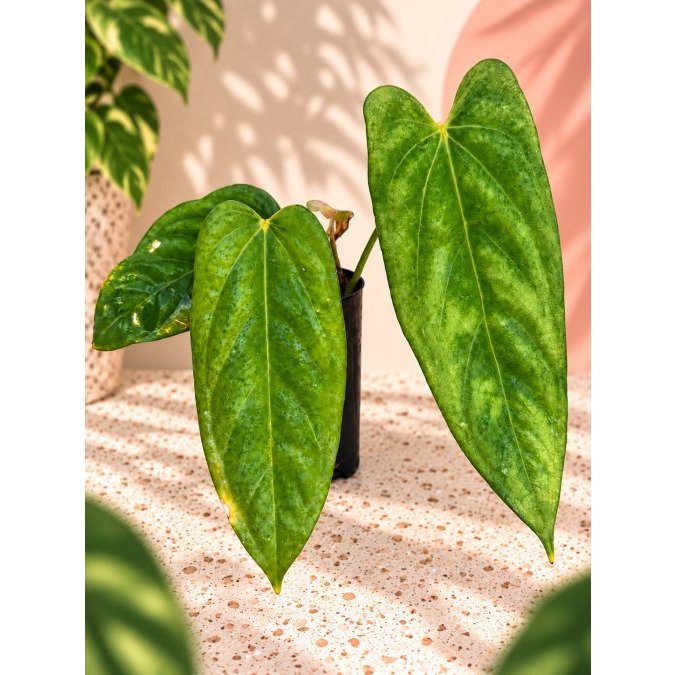
 ultimate-guide
Rare Collector Aroids for Sale Australia: A Guide
Table of Contents
- What Makes Rare Collector Aroids Worth Seeking
- Rare Anthurium Australia: Species and Hybrids Worth Your Collection
- Corm-Grown Alocasia: Why Provenance Matters
- Variegated Alocasia Care: Keeping Patterns Stable
- How to Buy Rare Plants Online Safely
- Building Your Rare Aroid Collection in Australia
- Frequently Asked Questions
Last Updated: October 10, 2026
What Makes Rare Collector Aroids Worth Seeking
Rare collector aroids for sale in Australia have become increasingly sought after by plant enthusiasts who understand the difference between mass-produced specimens and genuinely exceptional plants. The appeal goes far beyond aesthetics, it's about owning a piece of botanical rarity that reflects years of careful breeding, propagation, and cultivation.
What separates a collector-grade aroid from a standard nursery plant is provenance. A corm-grown Alocasia with documented parentage tells a story. It shows you exactly where the plant came from, how it was propagated, and what characteristics define it.
At Obsessed With Aroids, we focus on corm-grown specimens because they develop their own root systems and mature foliage characteristics in ways tissue culture plants simply don't.
The real value of rare aroids lies in their rarity, yes, but also in their potential. A young Dark Velvet Anthurium or variegated Alocasia will continue to develop and improve as it matures. The leaves get larger, colours deepen, and patterns stabilise. That's the journey collectors chase.
Rare Anthurium Australia: Species and Hybrids Worth Your Collection
Anthuriums represent some of the most visually striking rare aroids available to collectors in Australia. The genus ranges from compact species with unusual foliage to large-leaved hybrids that develop extraordinary character as they mature.
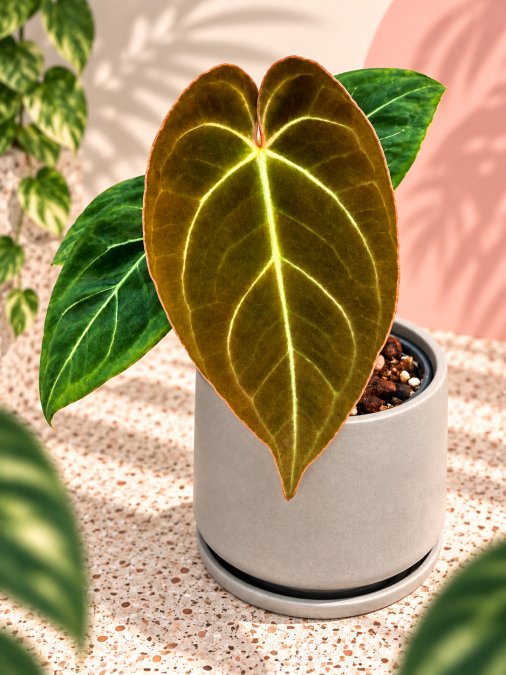
Dark Velvet Anthuriums and Black Venom Hybrids
Dark Velvet Anthuriums are among the most coveted rare Anthurium Australia specimens. These plants develop a distinctive velvety texture on their foliage, with deep green or almost black colouration that intensifies as the plant matures. The appeal is immediate, they're visually dramatic and relatively uncommon in standard plant retail.
Black Venom hybrids take this aesthetic further by introducing even darker tones and often more pronounced venation. The Anthurium 'Sombre' Black Venom × Pap is a perfect example of what makes these hybrids special. This established collector hybrid features elongated foliage with attractive dark green colouring and prominent venation. As it matures, it develops deeper tones and larger leaves, exactly what collectors are after.

The key to maintaining these plants is understanding their needs. They prefer bright, indirect light to develop their signature dark colouration. Low light will cause them to lighten and lose character. Humidity matters too, these plants thrive in moderate to high humidity environments.
Uncommon Species Like Anthurium dolichostachyum
Beyond the popular velvet hybrids, uncommon species offer a different appeal entirely. Anthurium dolichostachyum is a rare species Anthurium that develops distinctive elongated foliage with a beautiful heart-shaped base and elegant form. New leaves emerge in softer bronze to warm tones before gradually hardening and developing their mature green colour.
What makes this species special is its uniqueness. While Dark Velvet Anthuriums are becoming more available among collectors, true species Anthuriums like dolichostachyum remain genuinely hard to find. The plant's long, graceful foliage gives it a very different appearance from the more commonly available velvet Anthuriums, making it an excellent choice for collectors seeking something genuinely uncommon.
Growing Anthurium dolichostachyum successfully requires attention to drainage and airflow. These plants develop best in chunky, free-draining Anthurium or aroid mixes. Provide bright indirect light, warm temperatures, and good airflow, and this species will reward you with steady, impressive growth.
Corm-Grown Alocasia: Why Provenance Matters
Understanding the difference between corm-grown and tissue culture Alocasia is essential when building a serious collector's collection. Corm-grown plants develop their own root systems from the ground up, which creates stronger, more vigorous specimens with better-established growth patterns.
A corm is the underground storage organ from which the plant regenerates. When you grow from corm, you're starting with a plant that has already proven its ability to establish itself. The resulting plant develops roots naturally and builds its own foundation. Tissue culture plants, by contrast, are cloned from tissue samples and propagated in sterile laboratory conditions.
The provenance question matters because it tells you what you're actually getting. A corm-grown Alocasia with documented parentage is a known quantity. You know exactly what genetics you're working with and can expect the plant to develop true to type.
When sourcing rare collector aroids for sale in Australia, ask about growing method. Reputable sellers will be transparent about whether plants are corm-grown or tissue culture. At Obsessed With Aroids, we specialise in corm-grown specimens because we believe they offer better long-term performance and more reliable development of the characteristics that make rare aroids worth collecting.
Variegated Alocasia Care: Keeping Patterns Stable
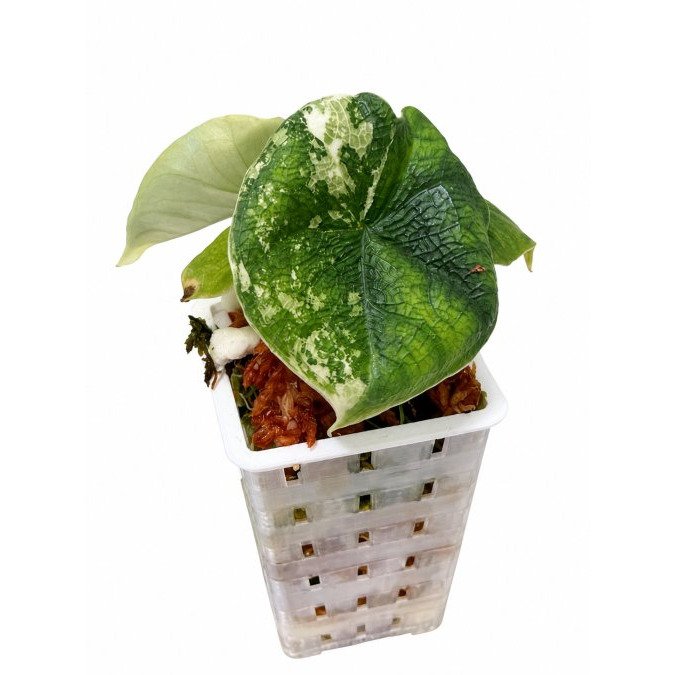
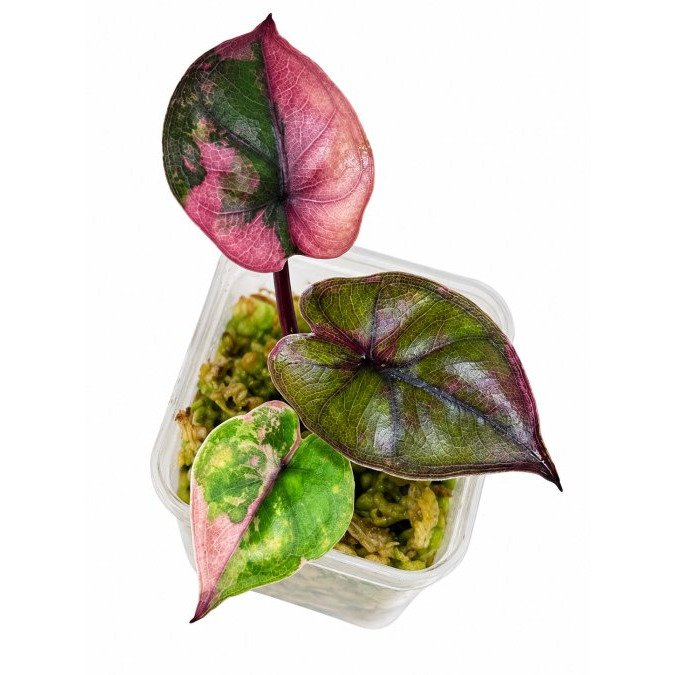
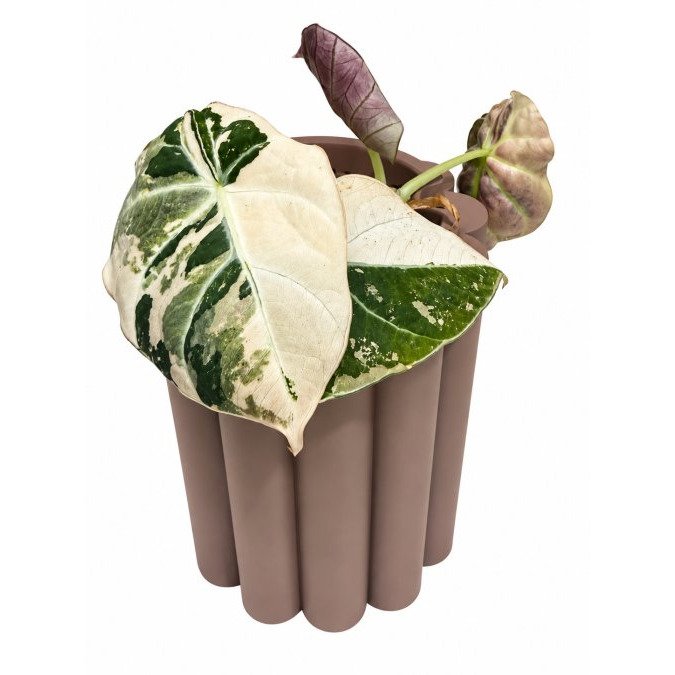
Variegated Alocasia are among the most visually stunning rare collector aroids available, but they require specific care to maintain their distinctive patterns. Variegation stability is the primary concern, patterns can fade, revert, or change unexpectedly if growing conditions aren't optimal.
Light is the critical factor. Variegated plants need bright, indirect light to maintain their patterns. Insufficient light causes variegation to fade as the plant allocates more resources to chlorophyll production.
Humidity and temperature stability also matter. Variegated Alocasia prefer consistent warmth, ideally 22-26°C, and moderate to high humidity. Keep your variegated specimens in a stable microclimate rather than moving them around frequently.
Feeding also influences variegation stability. A balanced, high-quality fertiliser formulated for Alocasia and Anthurium, like GT Growth Technology nutrients, supports healthy growth without pushing excessive soft growth that dilutes variegation. Feed during the growing season (spring and summer) but reduce feeding in autumn and winter.
Anthurium ‘Sombre’ Black Venom × Pap | Rare Collector Hybrid | Exact Plant →
The reality is that some variegation reversion is normal, even with perfect care. However, optimal conditions significantly slow reversion and help maintain patterns longer. If your variegated Alocasia does revert partially, new growth from stable sections can be propagated to maintain the variegated form.
| Care Factor | Impact on Variegation | Best Practice |
|---|---|---|
| Light | Fading if too low; scorch if too direct | Bright, indirect light (north-facing window) |
| Humidity | Low humidity triggers stress and reversion | 60%+ humidity |
| Temperature | Fluctuations stress plant and trigger reversion | Consistent 22-26°C |
| Fertiliser | Excess nitrogen dilutes variegation | Balanced formula; reduce feeding in winter |
| Watering | Overwatering causes root stress and reversion |
How to Buy Rare Plants Online Safely
Buying rare collector aroids for sale in Australia online carries real risks. Plants can arrive stressed, mislabelled, or in poor condition. Knowing what to look for before you purchase protects both your investment and your collection's health.
Assessing Plant Condition Before You Purchase
The first step is examining seller photos carefully. Reputable sellers provide multiple angles, including close-ups of new growth, the base of the plant, and the overall condition. Look for signs of health: firm stems, turgid foliage, and active new growth. Red flags include yellowing leaves, soft stems, visible pests, or sparse foliage.
Ask questions about the plant's current conditions. How long has it been established? What light and humidity has it been grown in? A seller who can answer these questions confidently is demonstrating genuine knowledge of their plants. Vague responses or unwillingness to provide details should concern you.
Request photos in the pot before shipping. This shows the plant's actual size, root development (if visible), and current vigour. A plant photographed in a nursery pot looks very different from one photographed bare-root or wrapped for shipping. Exact-plant sellers, those who guarantee you receive the specific individual pictured, eliminate guesswork and reduce disappointment.
Understanding Biosecurity and Interstate Shipping
Interstate shipping of plants in Australia involves biosecurity regulations that vary by state. Not all states accept plants from all other states without treatment or certification. Understanding these rules before you buy prevents the frustration of purchasing a plant only to discover it cannot be legally shipped to your location.
Victoria, New South Wales, Queensland, South Australia, and the Australian Capital Territory generally accept direct shipments of eligible plants from other states, provided the seller is appropriately accredited. Western Australia and Tasmania have stricter requirements and typically require additional biosecurity treatment and certification before plants can be imported.
Reputable sellers are ICA (Interstate Certification Assurance) accredited, which means they've met the standards to prepare and certify plants for interstate movement. This accreditation is your assurance that the seller understands biosecurity requirements and will handle the paperwork correctly.
Shipping timing also matters for plant health. Strategic scheduling, avoiding extreme heat or cold during transit, significantly improves arrival condition. Sellers who ship on specific days of the week or seasons are demonstrating care for plant survival. A seller who ships whenever you order, regardless of weather, is prioritising speed over plant health.
Building Your Rare Aroid Collection in Australia
Building a collection of rare collector aroids for sale in Australia is a gradual process that rewards patience and thoughtful selection. Rather than chasing every rare plant available, successful collectors develop a focus, whether that's Dark Velvet Anthuriums, variegated Alocasia, or uncommon species.
Start with plants that match your growing conditions. If you have a warm, humid space with bright indirect light, you can grow almost any aroid successfully. If your home is cooler or drier, focus on species that tolerate those conditions better.
Connect with other collectors. The Australian aroid community is active and generous with knowledge. Online communities, plant swaps, and local collector groups provide opportunities to learn, source plants, and understand what thrives in Australian conditions.
Document your collection as it grows. Photograph plants regularly, note their growing conditions, and track how they develop.
Quality matters more than quantity. Five genuinely healthy, well-suited rare plants will bring more joy and develop more impressively than twenty plants that are struggling. Focus on acquiring plants you're genuinely excited about and can commit to growing well.
Building a serious collection of rare collector aroids for sale in Australia requires finding sellers who understand these plants as deeply as you do. Our ICA accreditation ensures reliable interstate shipping, and our exact-plant listings mean you know precisely what you're receiving. Shop rare plants and experience the difference that collector-grade specimens and transparent, knowledgeable service make to your collection.
Frequently Asked Questions
What's the difference between corm-grown Alocasia and tissue culture plants?
Corm-grown Alocasia develop from underground storage structures (corms) and produce plants with established root systems and mature characteristics from the start. Tissue culture plants are propagated from small plant tissue samples in laboratory conditions, resulting in younger, smaller specimens that need more time to develop their full form. For collectors seeking immediate impact and stable variegation, corm-grown plants offer a more predictable investment.
How do I know if a rare aroid listing is trustworthy before buying?
Look for sellers who provide multiple clear photos of the exact plant you'll receive, including close-ups of foliage and the base to show root condition. Trustworthy sellers are transparent about plant size, any cosmetic marks, and current growth stage. Check whether they're ICA accredited for interstate shipping, which means they meet Australian biosecurity standards. Read customer feedback carefully for mentions of accurate descriptions, secure packing, and communication. Avoid listings with vague descriptions, generic stock photos, or sellers who can't answer questions about plant provenance or care requirements. A seller who knows their plants personally will discuss their characteristics and growth habits in detail.
How should I care for a variegated Alocasia after it arrives?
Provide consistent warmth (ideally 18-25°C), moderate-to-high humidity, and good airflow to prevent fungal issues. Water when the top of the soil feels dry, using a chunky, well-draining aroid mix. To maintain variegation stability, avoid overfeeding with nitrogen-heavy fertilisers, which can encourage solid green growth.
What biosecurity requirements apply to interstate shipping of rare aroids in Australia?
Interstate movement of plants is regulated by each state's biosecurity authority to prevent the spread of pests and diseases. Most established aroids can be shipped between states if the seller is ICA accredited and has prepared the plants according to biosecurity requirements. Some states, particularly Western Australia and Tasmania, have stricter quarantine rules and may require additional certification or treatment before plants can enter. A reputable seller will handle all biosecurity compliance for you and clearly state which states they can ship to directly and which require special handling. Always check your state's biosecurity requirements before purchasing, and work with sellers who are transparent about these restrictions.