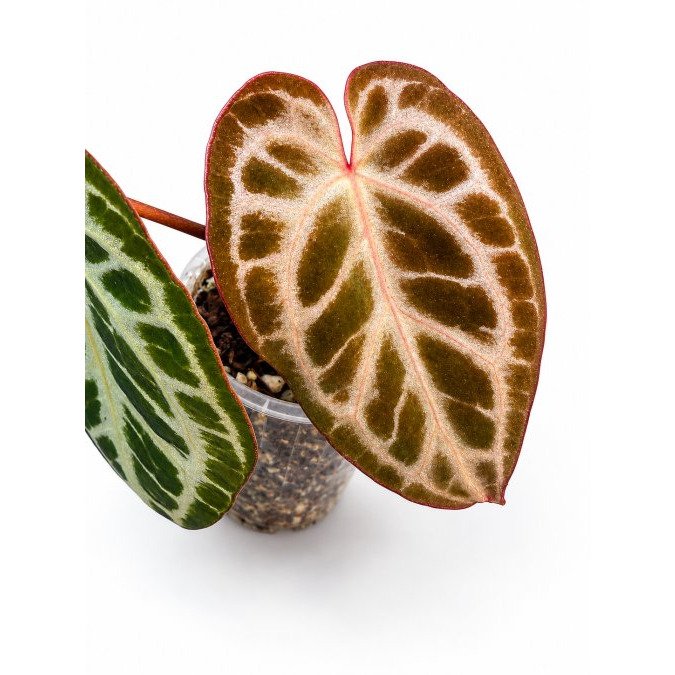
 comparison
Rare Anthurium Hybrids for Sale: A Collector's Guide
Table of Contents
- Why Rare Anthurium Hybrids Matter to Collectors
- How to Identify Anthurium Hybrids and Their Parentage
- Buying Rare Anthuriums Online: What to Check Before You Order
- Anthurium Plant Health Checklist Before Purchase
- Anthurium Hybrid Care: Keeping Your Collector Plant Thriving
- Rare Anthurium Hybrids Available Now
- Shipping, Biosecurity and Getting Your Plant Home Safely
- Frequently Asked Questions
Last Updated: October 19, 2026
Why Rare Anthurium Hybrids Matter to Collectors
Rare anthurium hybrids for sale in Australia have become central to serious collecting. What separates a collector's shelf from a casual houseplant owner isn't plant count, it's the deliberate pursuit of genetics, foliage character and provenance.

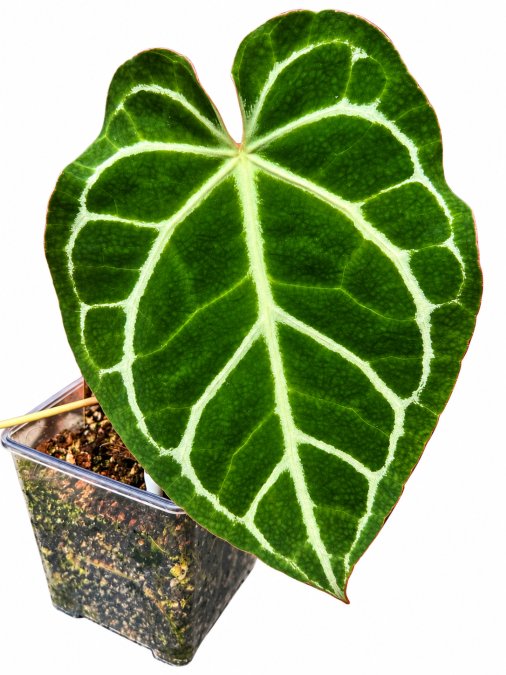
At Obsessed With Aroids, we've watched this shift. Collectors aren't chasing common varieties; they're hunting specific crosses with known parentage, velvet foliage and striking veining, grown from seed or corm rather than mass-produced tissue culture.
A rare anthurium hybrid tells a story: its parentage reveals which species were crossed, and its foliage changes as it matures. Buying from a grower who knows their plants personally gives you confidence the listing is accurate.
For Australian collectors, sourcing rare anthuriums online brings challenges: interstate shipping requires biosecurity compliance, stock is limited, and prices reflect the effort of growing these plants properly. Find the right specimen from a grower who cares, and the investment becomes part of the collection story.
How to Identify Anthurium Hybrids and Their Parentage
Understanding hybrid notation is the first step to confident collecting. A name like "Red Crystal × Dressleri 'Monroe'" isn't random text, it's a genetic map of the species bred to create that plant.

Reading hybrid notation and cross names
The × symbol means "crossed with". So "Red Crystal × Dressleri 'Monroe'" translates to: one parent is a Red Crystal Anthurium, the other is a Dressleri variety called 'Monroe'.
More complex hybrids stack multiple crosses. An example from our collection is (Lux × Pap × Cryst) × (Pap × Warocqueanum × Forgetii), where the parents were themselves hybrids, combining traits from six species.
Order matters too: breeders sometimes note the seed parent and pollen parent, though not always. Quotation marks around a name, like 'Monroe' or 'Sombre', indicate a cultivar selected for distinctive foliage or growth habit.
Foliage traits that reveal hybrid genetics
Foliage is where hybrid genetics show most clearly. Colour, texture, leaf shape and veining come from the parents and often shift as the plant matures.
Look for these markers:
Velvet foliage, a soft, non-reflective surface, typically comes from Anthurium crystallinum or Anthurium luxurians parentage. Expect velvet leaves if either is present, though intensity varies.
Striking veining, fine, pale lines running across darker foliage, is a signature of crystallinum genetics. Red-veined or silver-veined foliage often appears when Red Crystallinum or similar species contribute to the cross.
Emergent colour, the colour of new growth before it hardens off, reveals hybrid vigour.
Leaf shape and size, elongated versus rounded, large versus compact, comes from the species involved. Papillilaminum genetics tend toward elongated, narrow leaves. Luxurians contribute broader foliage.
Each new leaf on a young hybrid can look different from the last.
Buying Rare Anthuriums Online: What to Check Before You Order
Online plant shopping requires more scrutiny than visiting a local nursery. You can't hold the plant or inspect the roots, but specific listing details separate trustworthy sellers from risky purchases.
Plant condition and growth stage
Every rare anthurium hybrid passes through distinct life stages, and knowing which stage you're buying matters for your expectations and care approach.
Seedlings and juveniles are usually under 12 months old with limited leaf development.
Established seedlings have multiple leaves, visible roots and active growth, often the sweet spot for collectors: affordable but mature enough to handle the move to a new home.
Mature or specimen plants have significant size, multiple growth points and leaves at full expression.
When reviewing a listing, look for photos showing root development, multiple leaves at different stages, new growth emerging, and plant size relative to a hand or pot for scale.
Verifying seller credibility and stock
Not all online sellers are equal. Some are passionate growers with hands-on knowledge; others dropship from overseas or resell plants they haven't inspected closely.
Look for these credibility signals:
Personal knowledge of the plant, A trustworthy seller can describe the hybrid's parentage, growth rate and foliage in detail, including humidity quirks. Generic descriptions are a warning sign.
Exact plant listings, Honest sellers show the exact plant you're buying, not a stock photo, and update you if something changes.
Biosecurity compliance, For interstate shipping in Australia, look for ICA (Interstate Certification Assurance) accreditation.
Customer feedback, Real reviews tell you whether plants arrive healthy, match listing photos and whether the seller communicates clearly. Look for specific details, not generic praise.
Stock honesty, Reputable sellers tell you if a plant is out of stock or on a waiting list, and won't oversell or ship a plant already sold to someone else.
Anthurium Plant Health Checklist Before Purchase
Before committing, run through this checklist to assess whether the plant is likely to thrive in your home:
| Assessment Point | What to Look For | Red Flag |
|---|---|---|
| Roots | Visible, light-coloured roots in photos; seller confirms rooting status | No roots visible; seller unsure about root development |
| Growth points | Multiple leaves; new growth emerging | Single leaf; no visible new growth |
| Foliage condition | Leaves are firm, vibrant in colour, no brown edges or spots | Wilted appearance; brown tips; visible damage or pest marks |
| Pot and medium | Plant is in chunky, well-draining aroid mix; pot has drainage | Waterlogged soil; pot has no drainage holes |
| Seller communication | Responds quickly; answers specific questions about the plant | Vague replies; avoids questions about condition |
| Shipping protection | Seller describes careful packing; mentions protective materials | No mention of packing; generic shipping policy |
| Return/replacement policy | Clear policy if plant arrives stressed or damaged | No policy stated; seller won't discuss issues |
This checklist helps you avoid the most common disappointments: stressed arrivals, plants with minimal roots that struggle to establish, and sellers who disappear when problems arise.
Anthurium (Lux × Pap × Cryst) × (Pap × Warocqueanum × Forgetii) | Rare Hybrid | →
Anthurium Hybrid Care: Keeping Your Collector Plant Thriving
Once your rare anthurium hybrid arrives home, the real work begins. These plants aren't difficult, but meeting their preferences separates a plant that merely survives from one that thrives and produces the foliage you bought it for.
Light, humidity and seasonal adjustments
Anthuriums are forest understory plants, growing in dappled light beneath taller trees with high humidity and consistent warmth. Your home won't perfectly replicate this, but you can get close.
Light is the biggest factor. Most rare anthurium hybrids prefer bright, indirect light. A north or east-facing window in Australia works well, without direct afternoon sun that can scorch velvet foliage.
Humidity matters more than many indoor plant guides admit. Anthuriums produce their best foliage above 60% humidity.
Seasonal shifts in Australia mean adjusting care. From October to April, anthuriums grow faster and need more frequent watering. In cooler months, growth slows, so reduce watering and avoid fertilising in winter to prevent overwatering stress during dormancy.
Soil, watering and feeding for velvet foliage
The medium directly affects foliage quality. Anthuriums need chunky, well-draining aroid mix, not standard potting soil, look for orchid bark, perlite, sphagnum moss and charcoal.
Watering should follow the "soak and dry" method: water thoroughly until it drains from the bottom, then let the top inch or two of soil dry before watering again.
Feeding supports the foliage quality you're after.
Velvet foliage especially benefits from consistent, gentle feeding. Underfed plants produce smaller, paler leaves. Overfed plants can develop salt burn or nutrient toxicity. Aim for steady, moderate nutrition rather than feast-or-famine cycles.
Rare Anthurium Hybrids Available Now
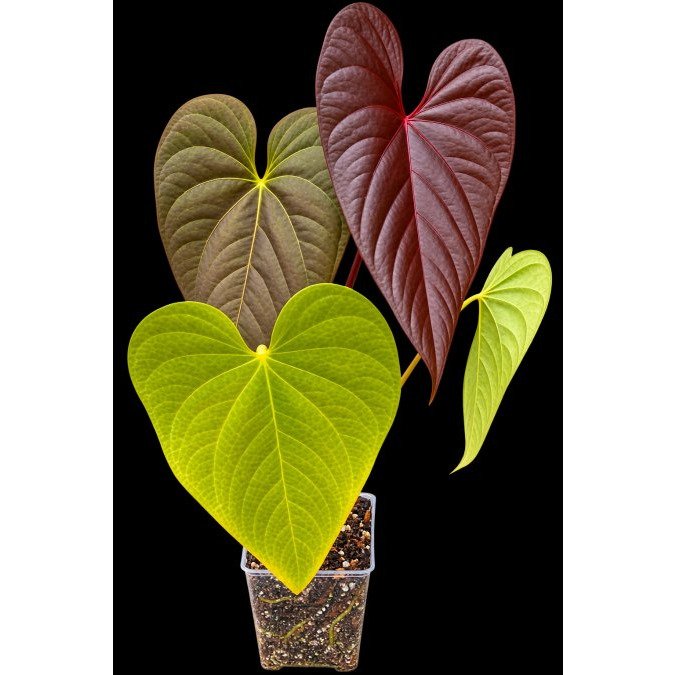
Anthurium 'Sombre' Black Venom × Pap ($139.00) is the statement plant.

Anthurium Red Crystal × Dressleri 'Monroe' ($65.00) offers a different appeal. Red-pink petioles give this hybrid distinctive colour, and the cross produces compact, healthy growth.
Anthurium (Lux × Pap × Cryst) × (Pap × Warocqueanum × Forgetii) ($55.00) is for collectors who love complexity.
Anthurium Dorayaki × Silver Blush (Silver Pearl) ($45.00) brings rounded velvet foliage and prominent silver-toned veining. This juvenile is well-rooted and actively growing, an affordable entry point into collector hybrids.
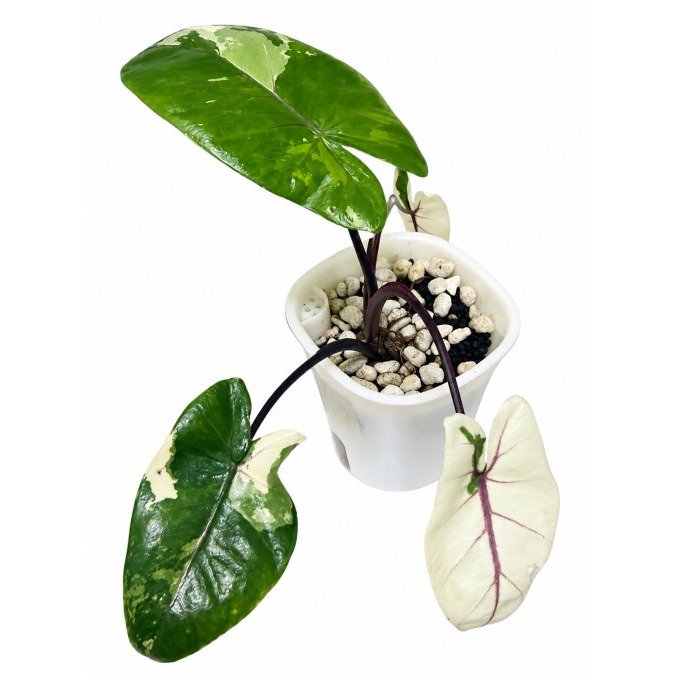
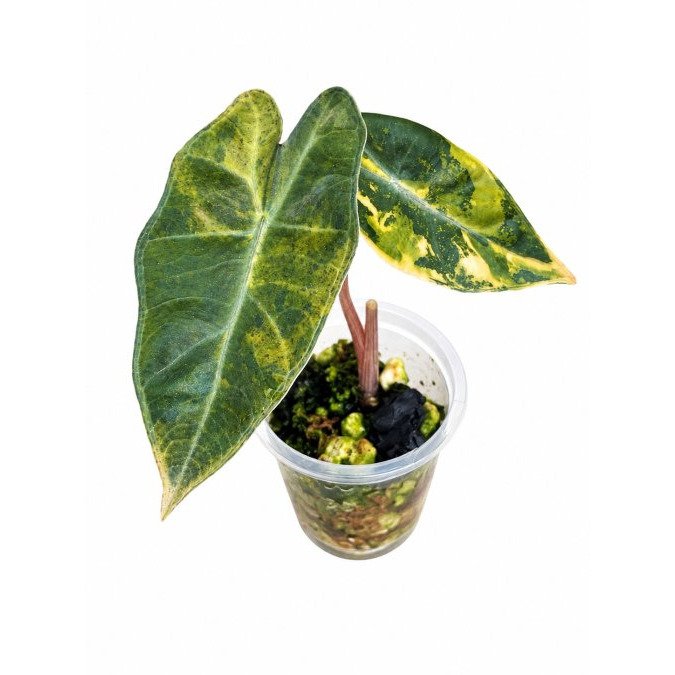
Rare Anthurium (SKG Silver × Red Crystallinum) × Variegated Magnificum ($49.00) is a seedling with variegated parentage.
Established mature plants
Mature specimens skip years of waiting, arriving with significant size, multiple growth points and foliage already expressing the character you're after. The trade-off is cost, mature plants command higher prices because the grower has invested time and care.
If you want immediate visual impact, or you're experienced enough to know exactly what foliage character you're after, a mature plant is worth the investment. You'll see the hybrid's full genetic expression within weeks rather than months.
Young seedlings and juveniles
Seedlings and young plants are where patience meets affordability. They cost less because they're at the start of their journey, but require more consistent care and time before producing mature foliage.
The advantage is watching the plant develop. Each new leaf teaches you something about the hybrid's genetics, how it responds to your light, humidity and feeding. By maturity, you'll understand it intimately.
For serious collectors, seedlings are often the preferred purchase. You're not just buying a plant, you're growing a collection story.
Shipping, Biosecurity and Getting Your Plant Home Safely
Interstate shipping of live plants in Australia requires biosecurity compliance.
ICA Accreditation is the key. Interstate Certification Assurance means a seller has been verified by their state's agriculture authority to safely prepare plants for interstate movement.
Shipping schedules matter more than many buyers realise. Plants in transit are stressed, in darkness and temperature-controlled boxes, away from their usual light and humidity.
Packing protection separates plants that arrive thriving from stressed ones.
Your role as recipient starts when the parcel arrives. Open it immediately, remove the plant gently and check for damage.
Collecting rare anthurium hybrids for sale in Australia is about more than accumulating plants.
Frequently Asked Questions
What makes a rare Anthurium hybrid different from a standard species plant?
Rare Anthurium hybrids are crosses between two or more species, combining traits like velvet foliage, striking veining, elongated leaf shape, and unusual colouration that don't occur in nature. A hybrid like Black Venom × Pap brings together dark green foliage and prominent venation from both parents. Species plants, by contrast, are genetically uniform. Hybrids offer collectors unique variation and often more dramatic visual appeal, making them highly sought after.
How do I know if an Anthurium hybrid listed online is actually corm-grown and not tissue culture?
Corm-grown plants are propagated from a single parent's corm and retain the exact genetics of that parent, often showing individual variation as they mature. Tissue culture plants are clones produced in laboratories from tissue samples. Reputable sellers like Obsessed With Aroids will clearly state 'corm-grown' or 'seed-grown' in their listings. Ask the seller directly if you're unsure, and review photos showing the plant's current condition, root development, and leaf maturity. Corm-grown plants often show more natural variation in new growth.
What should I check in a plant listing before buying a rare Anthurium hybrid online?
Review all listing photos for plant size, leaf count, root development, and any cosmetic marks. Check the hybrid's parentage and confirm it matches your interests. Verify the plant's stage: established, juvenile, or seedling. Look for active growth signs like new petioles or unfurling leaves. Confirm the seller is ICA accredited for interstate biosecurity compliance. Read the shipping policy and any care notes. Ask the seller about the plant's history, how long it's been established, and whether variegation (if relevant) is visible in current leaves.
Are rare Anthurium hybrids difficult to care for compared to common houseplants?
Rare Anthurium hybrids need more attention than generic houseplants but aren't impossibly demanding. They thrive in bright, indirect light, high humidity (50-70%), and well-draining chunky aroid mix. Watering should be frequent but not waterlogged. They're sensitive to cold below 15°C and prefer stable conditions. The main challenge is maintaining humidity in dry climates and avoiding root rot. With consistent care, most hybrids grow reliably. Beginners can absolutely succeed if they're willing to learn and adjust their setup.