 Listicle
7 Top Velvet Leaf Anthurium Hybrids for Indoor Gardens
Quick Summary
The best velvet leaf anthurium hybrids for indoor gardens are seven plants covering a range of sizes, leaf textures and growing habits. Established Pap × Pap and Augustus × Frilly Knickers are the sensible starting points for beginners because they are well rooted and accessibly priced.
- A good indoor hybrid tolerates bright indirect light, moderate humidity and ordinary home temperature swings.
- Seed-grown Papillilaminum 'MDB' × 'RA8' seedlings are individuals that develop differently, suiting collectors who enjoy watching a plant change.
- Augustus × Frilly Knickers is the most forgiving on light of the seven hybrids listed.
- Water established hybrids once the top two to three centimetres of medium dry, checking by lifting the pot.
- Avoid fertilising through winter, and resume a diluted liquid feed when the first new leaf unfurls in spring.
Table of Contents
- What Makes a Velvet Leaf Anthurium Hybrid Easy to Live With Indoors
- How We Picked These Hybrids for Indoor Gardens
- Top Velvet Anthurium Hybrids for Indoor Collections
- Anthurium Papillilaminum 'MDB' × 'RA8' for Seedling Collectors
- Anthurium Pap × Dress × Paramense for Established Growers
- Anthurium Pap × Pap for Juvenile Collectors
- Anthurium Lux × Pap for Textured Foliage Lovers
- Anthurium Dark Complex Pure Form for Dark Velvet Displays
- Anthurium Sombre Black Venom × Pap for Mature Displays
- Anthurium Augustus × Frilly Knickers for Contrast Lovers
- Velvet Anthurium Care Indoors: Light, Humidity and Potting Mix
- Easy Anthuriums for Indoor Growing: Which Hybrids Suit Beginners
- Understanding Anthurium Hybrid Varieties and Parentage
- Choosing Your First Velvet Anthurium Hybrid From Obsessed With Aroids
- Frequently Asked Questions
7 Top Velvet Leaf Anthurium Hybrids for Indoor Gardens
Last Updated: November 2, 2026
Velvet leaf anthuriums are among the most rewarding plants for Australian collectors, but not every hybrid suits a home. Some sulk in dry lounge rooms, others grow too large for a windowsill. This guide covers seven hybrids that suit indoor growing.
What Makes a Velvet Leaf Anthurium Hybrid Easy to Live With Indoors
A velvet leaf anthurium hybrid is easy to live with indoors when it tolerates bright indirect light, moderate humidity and the ordinary temperature swings of a home.
When choosing a plant for indoor growing, it helps to consider whether it holds its leaves without constant misting, stays a manageable size, and recovers from a missed watering.
How We Picked These Hybrids for Indoor Gardens
Each hybrid listed here is named as recorded on its listing, and where parentage is incomplete, the listing says so.
Top Velvet Anthurium Hybrids for Indoor Collections
These seven picks cover a range of sizes, leaf textures and growing habits, so read the notes on each before you decide.
Anthurium Papillilaminum 'MDB' × 'RA8' for Seedling Collectors
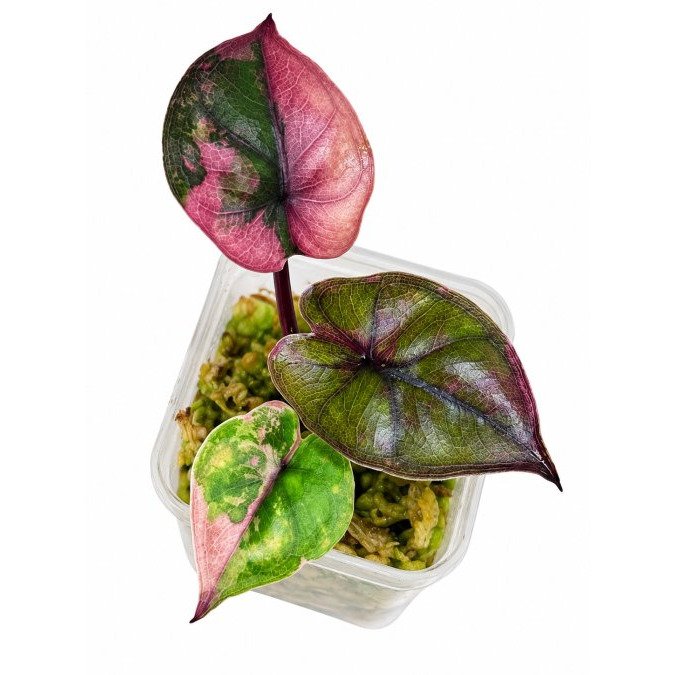
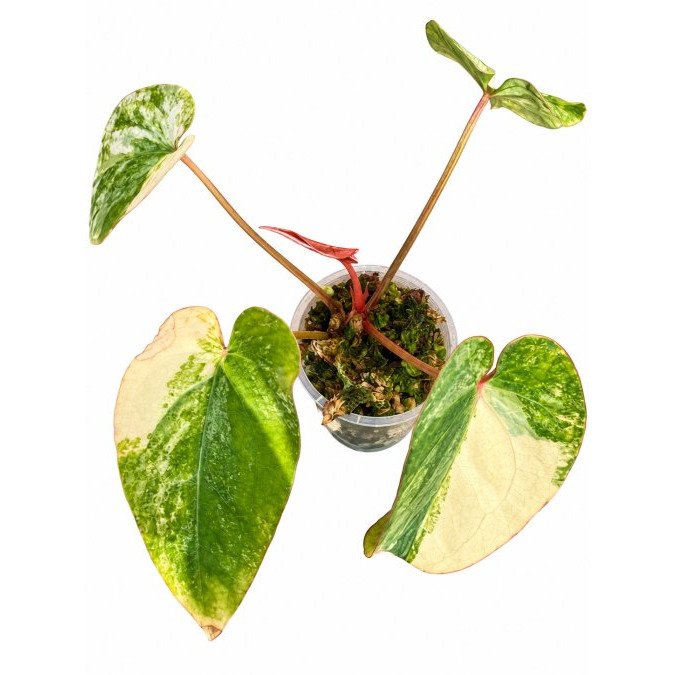
This is a seed-grown Papillilaminum cross, combining 'MDB' ('Marshellini' × 'Dadbod') with 'RA8'. Because each seedling develops differently, you are choosing an individual rather than a uniform clone, a good fit for collectors who enjoy watching a plant change over several seasons.
Anthurium Pap × Dress × Paramense for Established Growers
This established hybrid has long, elongated foliage and an attractive textured surface. It is well rooted with multiple leaves, so expect it to suit a collector who already has some experience and a bright, stable spot. It is priced at $59.00 AUD.
Anthurium Pap × Pap for Juvenile Collectors
An established juvenile with velvety green foliage and bronze undertones, this plant has multiple leaves and new growth emerging. At $49.00 AUD, it is one of the more approachable options on this list.
Anthurium Lux × Pap for Textured Foliage Lovers
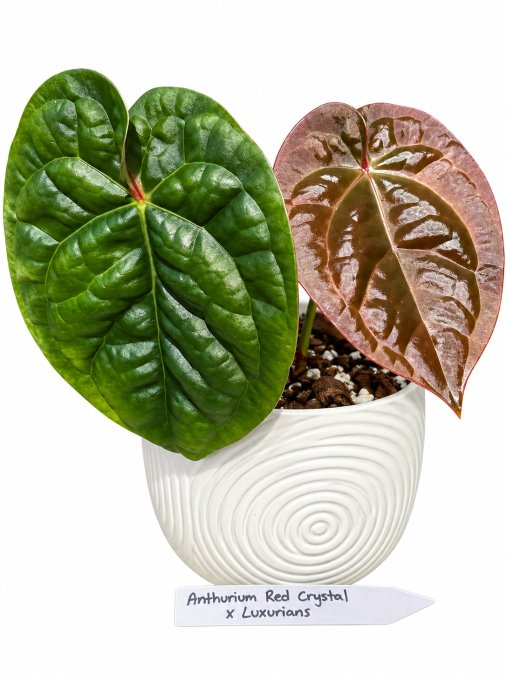
This plant has dark, elongated foliage and strongly textured venation. The mature front leaf has a blue-green quilted look, while newer leaves show green-to-bronze tones. At $65.00 AUD, it suits a collector who values surface texture.
Anthurium Dark Complex Pure Form for Dark Velvet Displays
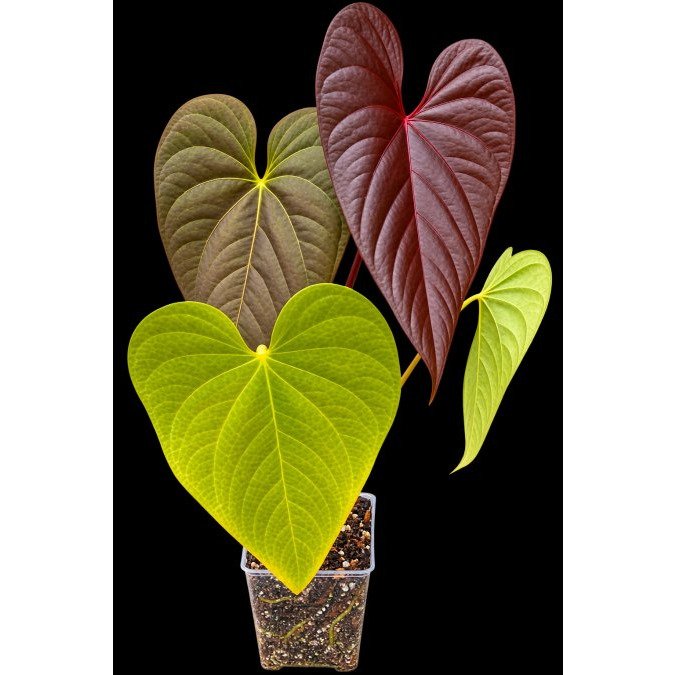
Offered as pure form rather than a Dark Complex hybrid, this plant has elongated dark green velvet foliage with red-burgundy tones around the sinus and petiole. At $139.00 AUD, it is a statement piece for a well-lit room.
Anthurium Sombre Black Venom × Pap for Mature Displays
A mature plant with large, elongated dark green foliage and prominent venation, with new growth developing from the base. Parentage is retained as identified on the original tag. At $139.00 AUD, it is better suited to a collector with room for a larger plant.
Anthurium Augustus × Frilly Knickers for Contrast Lovers
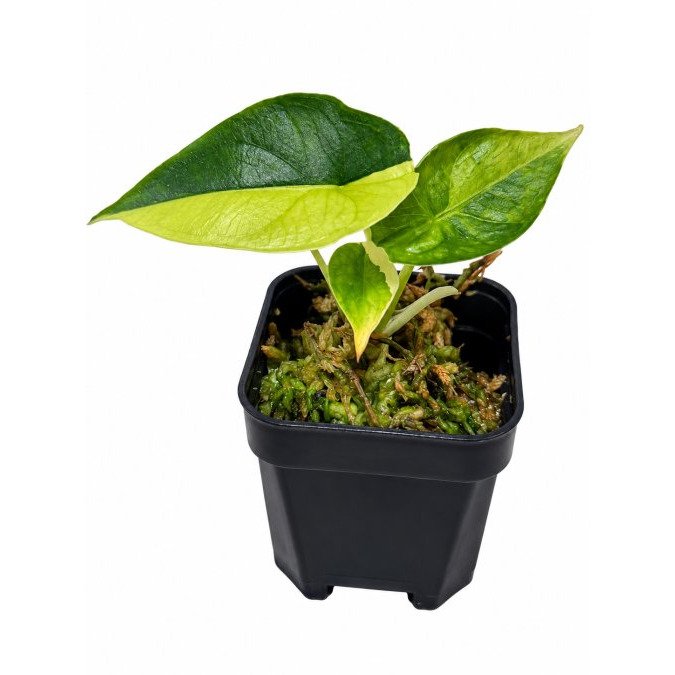
This actively growing hybrid has velvet foliage and strong contrasting venation. At $45.00 AUD, it is one of the more accessible established plants in our range.
Velvet Anthurium Care Indoors: Light, Humidity and Potting Mix
General velvet-anthurium advice gets you most of the way, but the hybrids on this list do not all want the same thing. A Papillilaminum seedling and a mature Sombre Black Venom cross will react differently to the same windowsill.
Light: match the leaf to the room
Most velvet anthuriums want bright indirect light, enough to cast a soft shadow, not enough to bleach the leaf. In an Australian home, an east-facing window or a spot a metre back from a north-facing window is usually a good place to start.
Hybrid-specific notes:
- Papillilaminum crosses (including 'MDB' × 'RA8'), seedlings are the most light-sensitive here. Keep them further back from the glass until they have three or four hardened leaves, then edge them closer.
- Pap × Dress × Paramense and Lux × Pap, the quilted, textured foliage handles brighter indirect light well, but the blue-green sheen on Lux × Pap fades fast in direct sun. Filter with a sheer curtain if the spot gets afternoon light.
- Dark Complex Pure Form and Sombre Black Venom × Pap, dark velvet foliage shows scorch marks badly. A west-facing window in a Brisbane summer is too much; a bright east window is plenty.
Humidity: what actually works in an Australian home
A dry lounge room through winter heating is the usual culprit behind brown leaf edges. Grouping plants, using a pebble tray, or sitting the pot inside a larger decorative pot with damp sphagnum around it lifts local humidity enough without a cabinet.
If you run a cabinet or grow tent, aim for steady moderate humidity rather than chasing a number, swings matter more than the reading.
Watering: by weight, not by calendar
Water when the top of the medium begins to dry, but check by lifting the pot, not by counting days. A chunky aroid mix in a 12 cm pot dries far faster in a Perth summer than in a Canberra winter, and a fixed schedule will either drown or dehydrate the plant depending on the season.
Hybrid-specific notes:
- Seedlings (Papillilaminum 'MDB' × 'RA8'), small root systems dry out quickly. Check every two to three days in warm weather and water lightly rather than soaking.
- Established hybrids (Pap × Dress × Paramense, Lux × Pap, Augustus × Frilly Knickers), let the top two to three centimetres dry before watering again. These are the most forgiving of a missed watering.
- Large mature plants (Dark Complex Pure Form, Sombre Black Venom × Pap), bigger pots hold moisture longer than you expect. Water thoroughly, then let the medium dry further down before the next drink.
Potting mix and drainage
A chunky, well-draining aroid mix is the baseline, bark, perlite, and a little coco or peat to hold some moisture.
Anthurium ‘Sombre’ Black Venom × Pap | Rare Collector Hybrid | Exact Plant →
For the larger hybrids, a slightly heavier mix with more bark holds the plant steady and reduces repotting. For seedlings, go finer and lighter so the roots can move.
Temperature and seasonal rhythm
Velvet anthuriums grow actively through the warmer months and slow in winter. In most Australian homes, room temperature is fine year-round, the risk is cold glass on a winter night and hot afternoon sun in summer. Move plants back from windows in July and August if the glass gets cold, and away from west-facing glass in January and February.
Acclimation: the first month matters most
A plant that has just arrived by post has been in the dark for a few days. Put it in its final spot straight away, but expect a little leaf yellowing or a dropped older leaf in the first fortnight, that is normal acclimation stress, not failure.
If you want to read more about settling new aroids into a collection, our plant care information covers related care topics.
Easy Anthuriums for Indoor Growing: Which Hybrids Suit Beginners
If you are new to aroids, start with an established plant that already has a few healthy leaves. Juvenile and seed-grown hybrids are rewarding but demand more patience while they establish.
Avoid starting with the largest or darkest plants on this list.
Understanding Anthurium Hybrid Varieties and Parentage
Hybrid names look intimidating, but they follow a simple logic, and once you understand that logic, you can read a plant listing the way a collector does. The harder part is knowing which names are documented lineage and which are trade naming.
How to read a hybrid name
A cross such as Pap × Dress × Paramense means the plant is the offspring of crossing those parent types, with names listed in the order the breeder recorded them.
Names in single quotes, like 'MDB' and 'RA8' in the Papillilaminum cross, refer to individual parent plants, not species. 'MDB' is itself a cross ('Marshellini' × 'Dadbod'), which is why the full name reads as a chain.
Documented lineage versus trade naming
This is where buyers get caught out. There are three rough categories you will see in listings:
- Documented lineage, the breeder has recorded both parents and the cross is traceable. The Papillilaminum 'MDB' × 'RA8' seedlings on this list fall here.
- Trade naming, a plant is sold under a name that has become common in the trade but is not formally described or traceable to a specific cross. Many 'Dark Complex' and 'Midnight Velvet' listings sit here. The name describes a look, not a pedigree.
- Uncertain or incomplete parentage, one parent is unknown, or the tag has been lost and the name is retained as recorded. We would rather tell you a plant's parentage is incomplete than guess at a name.
When you buy a hybrid, ask what is documented and what is trade naming. A plant with a traceable cross is worth more to a collector than one with a striking name and no pedigree, :::
Why 'pure form' and 'complex' mean different things
A pure form listing, like the Dark Complex Pure Form on this list, means the plant is offered as the species form rather than a hybrid of it. A Dark Complex hybrid is a cross involving Dark Complex parentage, and the offspring will vary.
Seed-grown versus clone: what you are actually buying
A seed-grown plant, like the Papillilaminum cross, is an individual. Each seedling from the same cross will look slightly different, and you are choosing that individual rather than a uniform copy.
This is also where the corm-grown versus tissue culture distinction matters.
What to check before you buy
- Is the cross recorded, or is the name trade naming? A recorded cross is traceable; a trade name describes a look.
- Is the plant seed-grown, a division, corm-grown, or tissue culture? Each behaves differently in a collection.
- Is the photo the actual plant? At Obsessed With Aroids, you receive the exact plant pictured, so review the photos for current size and condition before buying.
If you want to browse current hybrids and see how each one is listed, our rare Anthurium collection lists current hybrids.
Choosing Your First Velvet Anthurium Hybrid From Obsessed With Aroids
Choosing your first hybrid comes down to three questions: how much space you have, how much light your room gets, and how much experience you bring. Match those answers to the plants above and you are far more likely to enjoy the result.
Obsessed With Aroids is ICA accredited, so we can prepare and certify eligible plants for interstate movement under biosecurity requirements.
Frequently Asked Questions
Which velvet-leaf Anthurium hybrids are best for indoor growing?
For most indoor gardens, look for established, well-rooted hybrids with sturdy petioles and foliage that tolerates average home conditions. Obsessed With Aroids currently lists several velvet-leaf options, including Anthurium Pap × Dress × Paramense at $59.00 and Anthurium Dark Complex Pure Form at $139.00. Mature plants generally adapt more readily to indoor conditions than small seedlings, so check the listing photos for current size and condition before buying.
What light do velvet Anthuriums need indoors?
Velvet Anthuriums do best in bright, indirect light, such as a few metres back from an east-facing window or filtered light from a north-facing window. Avoid direct midday sun, which can scorch the velvety foliage. If leaves look pale or stretched, move the plant gradually closer to the light source rather than all at once.
What is the difference between an Anthurium species and a hybrid?
A species is a naturally occurring Anthurium, while a hybrid is a cross between two parents, often bred to combine foliage traits such as velvet texture or strong venation. Hybrid seedlings can vary in leaf shape and colour, which is why the parentage on the plant tag matters when you compare varieties.
Do velvet Anthuriums need a special potting mix?
Yes, a chunky, well-draining aroid mix suits velvet Anthuriums far better than dense garden soil. The roots need air as well as moisture, so avoid keeping the root zone constantly wet. Water when the medium begins to dry, and make sure the pot has drainage holes.
If you are ready to add a velvet leaf anthurium to your collection, browse our current hybrids and pick the one that fits your space and your experience. Start with an established plant, give it bright indirect light, and you will be well placed to enjoy it for years.